

The UK has shattered previous temperature records this May, ushering in unprecedented warmth that has pushed daytime highs to historic levels and kept overnight temperatures stubbornly above 20°C (68°F) in many areas. This exceptional heat wave poses a significant challenge to daily comfort and sleep quality, driving an urgent need for effective strategies to stay cool and ensure restful nights.
Unpacking the Record Heat: What’s Happening?
May typically heralds mild spring weather in the UK, but this year has defied expectations with soaring temperatures that broke all previous May records. The mercury hasn’t just spiked during the day; nighttime temperatures remaining above 20°C are causing discomfort for residents accustomed to cooler evenings. This phenomenon, known as a “tropical night,” is rare in the UK and significantly impacts the body’s ability to cool down naturally after sunset.
Such sustained warmth results from a combination of atmospheric conditions, including high-pressure systems trapping warm air over the region. These heat patterns are increasingly linked to broader climate change trends, which make extreme temperature events more frequent and intense. The consequences extend beyond mere discomfort, affecting health, productivity, and sleep patterns across the population.
How to Stay Cool During Extreme Heat
Beating the heat requires a multi-faceted approach that addresses both immediate comfort and long-term health. Here are some proven methods to keep cool when temperatures soar:
- Hydrate Consistently: Drinking plenty of water throughout the day helps maintain body temperature and prevents dehydration.
- Wear Lightweight Clothing: Opt for loose, breathable fabrics like cotton and linen that promote air circulation.
- Limit Sun Exposure: Avoid direct sunlight between 11 a.m. and 3 p.m., when UV rays are strongest, and use sunscreen when outdoors.
- Utilize Fans and Ventilation: Position fans to create cross-breezes; open windows during cooler parts of the day and close them when outdoor air heats up.
- Cold Compresses: Applying cool, damp cloths to pulse points such as wrists and neck can rapidly lower body temperature.
- Adjust Diet: Eat lighter meals that are easier to digest, such as salads and fresh fruits, and avoid heavy, hot foods.
- Reduce Physical Activity: Limit strenuous exercise during peak heat hours to prevent overheating.
Improving Sleep Quality Amid Warm Nights
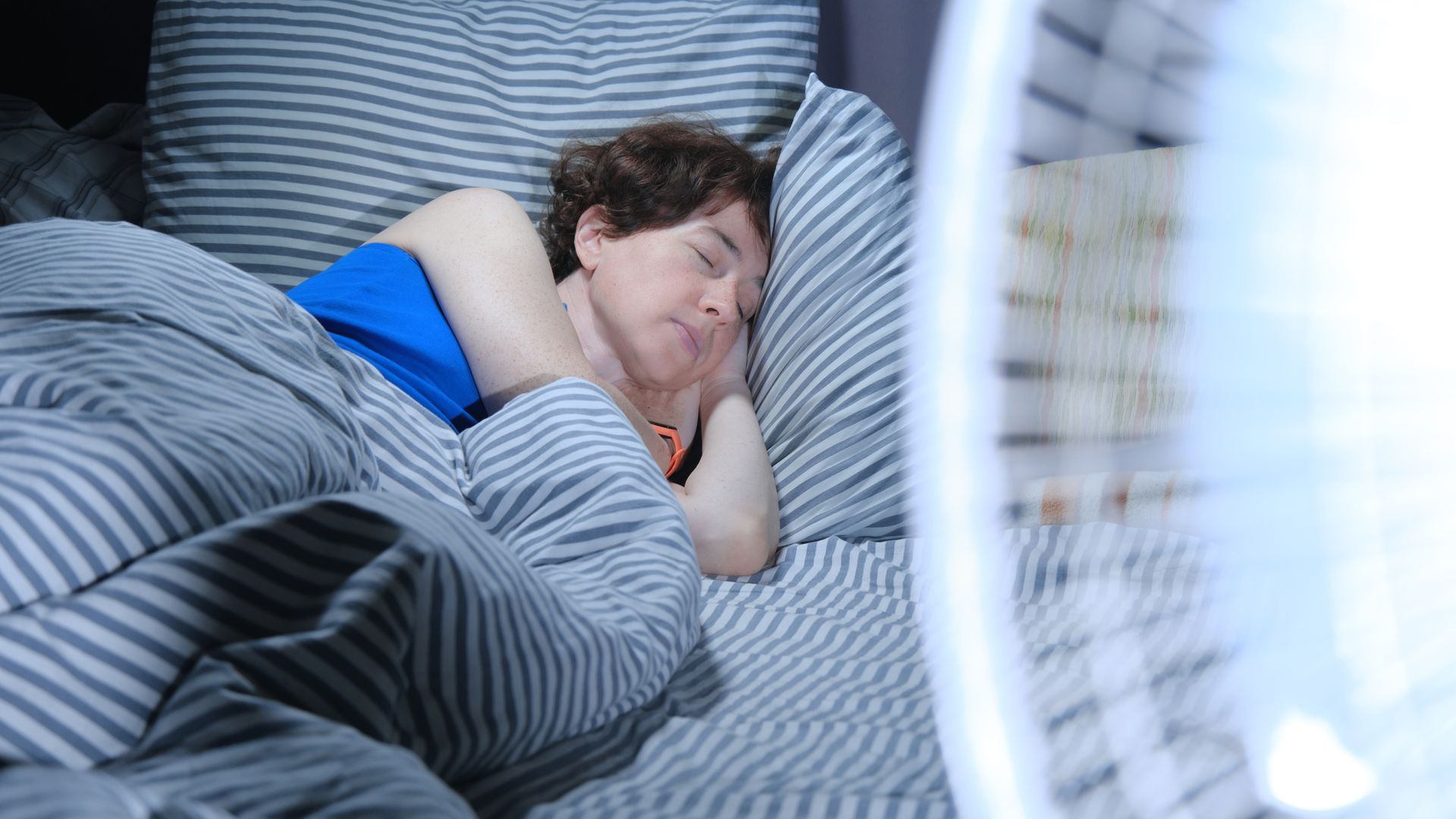
Hot temperatures at night can severely disrupt sleep, leading to fatigue and impaired cognitive function the following day. Here’s how to improve sleep quality despite the heat:
- Cool Your Bedroom: Use fans or air conditioning if available; consider placing a bowl of ice in front of a fan to cool the air.
- Choose Breathable Bedding: Switch to cotton sheets and avoid heavy blankets. Moisture-wicking materials can help reduce sweating.
- Take a Lukewarm Shower: A quick rinse before bed lowers your body temperature and prepares you for restful sleep.
- Keep Electronics Away: Devices emit heat and blue light, which can interfere with your ability to fall asleep.
- Maintain a Consistent Sleep Schedule: Going to bed and waking up at the same time daily helps regulate your internal clock, even during heat waves.
Why Managing Heat and Sleep Matters
Prolonged exposure to high temperatures can strain the cardiovascular system, increase the risk of heat exhaustion, and exacerbate chronic health conditions such as respiratory and heart diseases. Poor sleep further compounds these risks by impairing immune function and mental health.
Understanding how to adapt daily routines during heat waves is essential for safeguarding well-being. Staying cool and preserving sleep quality not only enhances comfort but also supports physical and cognitive health during increasingly frequent hot spells.
Looking Ahead: Preparing for a Warmer Future
Record-breaking May temperatures signal a shifting climate reality that communities must prepare for. Public health campaigns and infrastructure improvements, such as cooling centers and urban greening, will play crucial roles in mitigating heat’s impact.
On a personal level, adopting smart habits now can build resilience against future heat waves. Staying informed and proactive ensures that individuals can navigate extreme weather while maintaining health and productivity.
As the UK faces warmer springs and summers ahead, mastering the art of staying cool and sleeping well becomes more than a seasonal concern—it’s a vital life skill.