

Brexit has profoundly weakened Britain’s international reputation, with even its most ardent supporters now reluctant to discuss the consequences, a senior government minister revealed today. This candid admission highlights the deep and ongoing challenges the UK faces as it navigates its post-EU future.
Brexit’s Damage to Britain’s Global Influence
Since the UK formally left the European Union, the country has struggled to maintain the diplomatic and economic clout it once wielded on the world stage. The senior minister’s remarks underscore a growing recognition within government circles that Brexit has not only altered trade relationships but also eroded Britain’s traditional role as a bridge between Europe and the rest of the world.
Once viewed as a key player in shaping European policies and global economic frameworks, Britain now finds itself negotiating from a position of diminished influence. The minister’s observation that Brexit’s chief advocates “no longer wish to talk about it” suggests a shift in public and political discourse, where the initial optimism has given way to a more cautious and reflective stance.
Why Brexit Advocates Are Silent
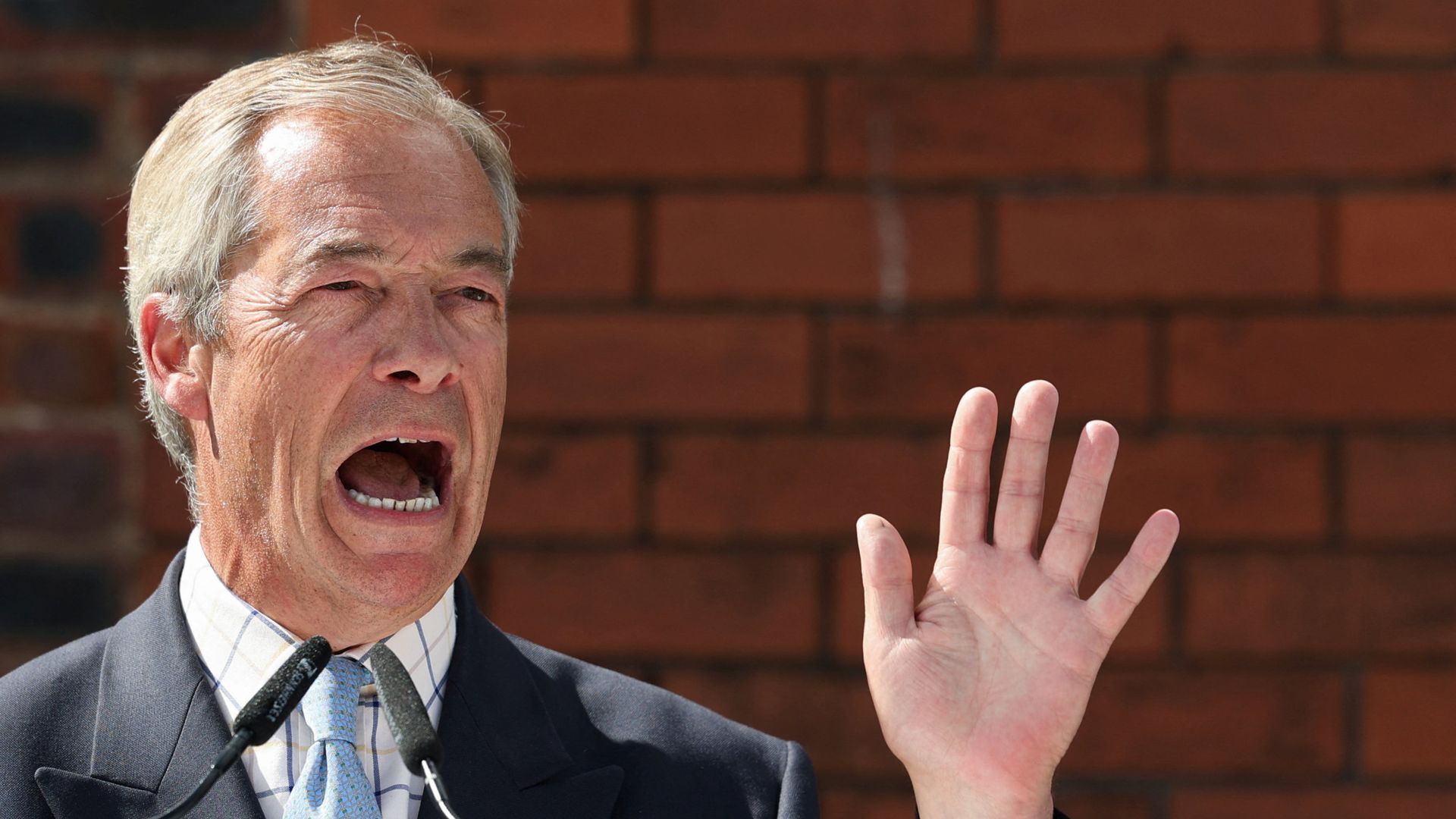
Supporters of Brexit, including prominent figures like Nigel Farage, championed the move as a path to reclaim sovereignty and boost the UK economy. However, recent developments reveal that the reality has been far more complex and, in many respects, disappointing for these proponents.
The minister’s comments imply that the silence from Brexit’s key champions stems from an unwillingness to confront the negative fallout. Trade disruptions, supply chain challenges, and diplomatic tensions have complicated the post-Brexit landscape. The UK’s exit from the EU’s single market and customs union has led to increased bureaucracy and costs for businesses, especially those relying on seamless cross-border trade.
Moreover, Britain’s reduced influence in EU decision-making bodies means it can no longer shape policies that directly affect its own economy and citizens. This loss of voice has strategic implications, limiting the UK’s ability to advocate for its interests in European and global affairs.
What This Means for Britain’s Future
The senior minister’s frank assessment invites a broader conversation about the long-term consequences of Brexit for the UK. Beyond economic metrics, Brexit has altered Britain’s geopolitical standing and its relationships with allies and neighbors. The reluctance of Brexit’s advocates to engage openly with these challenges signals a need for more transparent dialogue about the country’s direction.
For policymakers, addressing the damage to Britain’s reputation means seeking new partnerships and reinvigorating old alliances while adapting to a more fragmented global environment. The government faces the task of balancing sovereignty with practical cooperation, ensuring that the UK remains competitive and influential despite the hurdles.
Businesses and citizens alike must also adjust to the evolving realities of post-Brexit Britain. While some sectors have found new opportunities, many continue to grapple with uncertainty and regulatory changes. The broader public debate will likely intensify as the full effects of Brexit become clearer in the coming years.
Looking Ahead: Navigating Post-Brexit Challenges
Brexit’s impact on Britain is both profound and multifaceted. The senior minister’s acknowledgment of the damage serves as a critical reminder that the journey ahead demands careful management and honest reflection. The silence of Brexit’s champions may give way to new discussions as the UK seeks to redefine its place in a rapidly changing world.
Ultimately, how Britain responds to these challenges will shape its future prosperity and global role. By confronting the realities head-on, the UK can begin to rebuild its standing and forge a path that balances independence with meaningful international engagement.