

England, once celebrated by poet William Blake as a “green and pleasant land,” now faces an alarming transformation. The country’s iconic lush landscapes have turned a sickly yellow, a stark visual testament to an intense and prolonged drought. This brutal dry spell has inflicted severe damage on the nation’s agricultural output, sparking urgent warnings about threats to Britain’s food security and broader national stability.
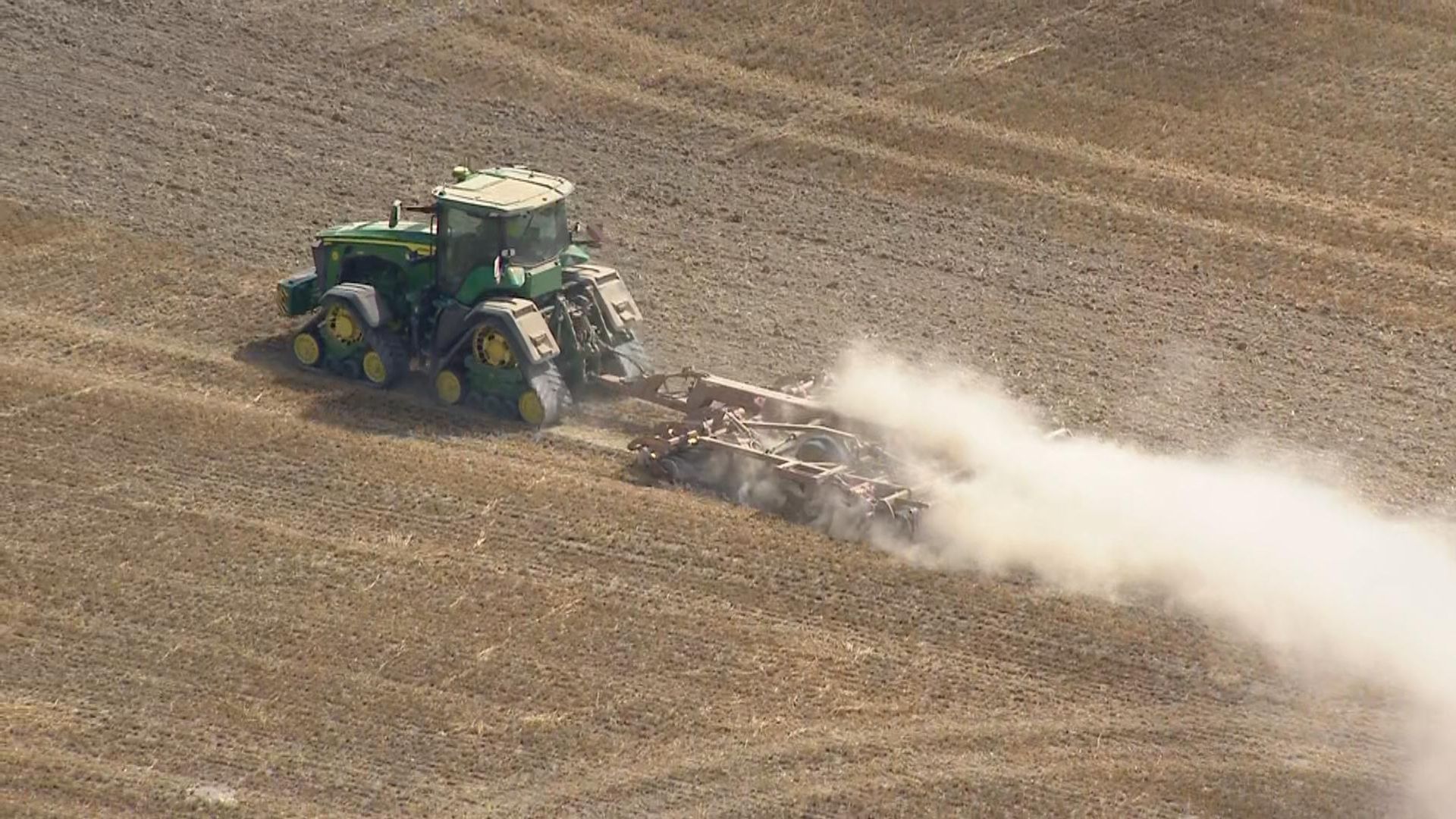
Severe Drought Ravages England’s Agricultural Heartland
Over the past months, England has experienced a historic shortage of rainfall, with many regions recording some of the lowest precipitation levels in decades. This lack of moisture has crippled crop growth, with fields of wheat, barley, and other staples wilting under relentless heat and dryness. The agricultural sector, a vital component of the UK’s economy and food supply chain, is now grappling with a harvest that experts describe as “brutal.”
The impact is not limited to just crop yields. Livestock farming faces hardships as pasturelands dry up, forcing farmers to rely on expensive feed alternatives. Water shortages have also forced restrictions, further complicating irrigation efforts. Collectively, these conditions have led to a sharp decline in food production, threatening the availability and affordability of essential food items across the nation.
National Security at Stake Amid Food Production Crisis
The ramifications of this agricultural crisis extend beyond economics and into the realm of national security. Government officials and security analysts warn that the steep decline in domestic food production could make Britain increasingly vulnerable to global supply chain disruptions and geopolitical pressures. Reduced crop output means greater dependence on food imports, which exposes the country to risks from international market volatility and potential trade restrictions.
Food security experts emphasize that a stable and self-sufficient food supply is a cornerstone of national resilience. The current drought-induced shortages raise concerns about the UK’s ability to sustain its population during future crises, whether environmental or political. The situation is compounded by ongoing challenges such as climate change, which is expected to increase the frequency and severity of droughts and other extreme weather events.
What the Future Holds: Climate Adaptation and Policy Responses
Addressing this crisis requires urgent and coordinated action. Agricultural scientists highlight the need for investing in drought-resistant crop varieties and advanced irrigation technologies to mitigate the impact of erratic weather patterns. Policymakers must also prioritize sustainable water management practices to preserve vital resources amid changing climate conditions.
Additionally, the government faces pressure to develop strategic food reserves and diversify import sources to buffer against future shocks. Strengthening domestic agriculture through innovation and support for farmers will be crucial to restoring production levels and safeguarding the nation’s food sovereignty.
Long-term resilience depends on integrating climate adaptation into national security planning. The current drought serves as a stark warning that environmental factors can rapidly escalate into critical security threats, underscoring the interconnectedness of ecological health and national stability.
Why This Matters: The High Stakes of Agricultural Decline
The transformation of England’s countryside from verdant fields to parched land is more than an environmental issue; it signals a profound challenge to the UK’s future wellbeing. Food production underpins economic stability, public health, and social cohesion. When this foundation falters, the consequences ripple through supply chains, markets, and communities nationwide.
For consumers, reduced harvests translate into higher food prices and limited choices. For farmers, the drought means financial strain and uncertainty. For the nation, it raises urgent questions about preparedness and resilience in an era of climatic upheaval.
As England confronts this crisis, the imperative is clear: securing the country’s food supply through innovative, sustainable, and forward-looking strategies is essential not just for today’s wellbeing but for the security of generations to come.