

Fraud stands as the most prevalent crime in Britain, yet it has been consistently overlooked by law enforcement for decades. Unlike violent offences that “bang, bleed or shout,” fraud lacks the dramatic urgency that typically drives police action. This neglect has allowed millions of victims to suffer in silence, while fraudsters continue exploiting systemic weaknesses with near impunity.

The Reality of Fraud Investigations: Decades of Neglect
Fraud’s invisibility to police priorities has deep roots. As one detective bluntly put it, fraud “isn’t sexy.” This attitude has contributed to a widespread failure to properly investigate or prosecute fraud cases. Despite being the most common crime in the UK, only a small fraction of fraud reports lead to meaningful police action.
Government statistics reveal a staggering 4.2 million fraud incidents occurred in the year leading to September 2025, illustrating the scale and urgency of the problem. Yet, for years, victims have been left without adequate support or justice.
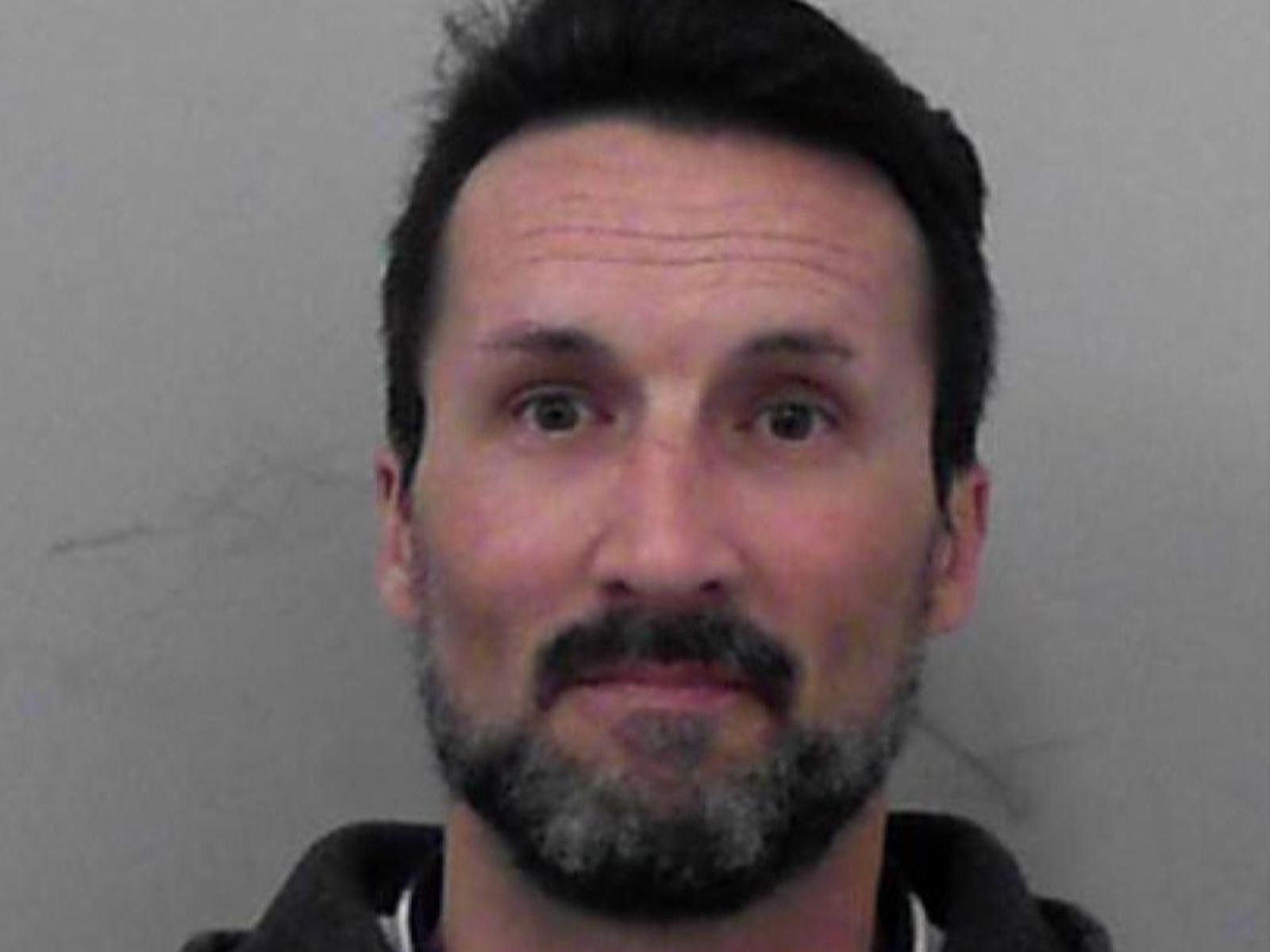
Consider the case of Carolyn Woods, a victim of a romance scam in 2013. She lost her entire savings—£850,000—to the notorious conman Mark Acklom. When Carolyn reached out to the official fraud reporting system, Action Fraud, she was met with cold indifference. She was told to simply fill out an online form, a process she later dubbed “Inaction Fraud.”
Undercover investigations and official inspections have since exposed systemic failures within Action Fraud. Staff were found undertrained and dismissive, even insulting victims. Her Majesty’s Inspectorate of Constabulary and Fire and Rescue Services issued a scathing report highlighting how victims were being repeatedly let down, emboldening criminals who acted with near impunity.
One police force, for example, took no action on 96% of fraud cases—even those with strong evidence and identified suspects. Scotland Yard’s former deputy commissioner, Sir Craig Mackey, further criticized the police’s inadequate technology and chronic underinvestment as major obstacles in combating fraud.
Personal Stories Reveal Systemic Failures
Beyond statistics, individual stories reveal the human toll of these failures. In investigations into conman Ethan Hunt, who used fake court documents to defraud homeowners, several victims reported being told they must pursue civil courts alone to recover losses. The criminal justice system proved ineffective in addressing these sophisticated scams.
Jackie Jackson, one victim, explained how the Crown Prosecution Service declined to prosecute due to missing paperwork on her rental agreement. Similarly, Army veteran Lance Bryant lost £18,000 in a fraudulent boat business deal. Police told him they could not locate his report and declined to assist.

These stories highlight the fragmentation and inadequacy of current fraud response mechanisms, leaving victims without recourse and fraudsters free to operate.
Government Promises a New Era in Fraud Fighting
Recognising the critical need for reform, the UK government launched a new fraud strategy last month. Home Secretary Shabana Mahmood emphasized the growing threat fraud poses to national security and economic resilience. She pledged to overhaul the system with enhanced victim support, improved reimbursement processes, and stronger criminal and civil justice frameworks.
“The scale and sophistication of modern fraud demand a new and accelerated response,” Mahmood said. “This government is determined to turn the tide.”
The strategy also aims to revamp reporting systems, ensuring victims receive better service and that law enforcement is equipped with the resources and technology to tackle fraud effectively.
What This Means for Victims and the Future of Fraud Enforcement
While these government commitments mark a significant shift, they come after decades of neglect that have left many victims without justice. Carolyn Woods eventually saw her conman apprehended—but only after a four-year battle involving media intervention and international police cooperation, with no recovery of her stolen funds.
The new strategy represents hope for millions affected by fraud, promising a more proactive and victim-centered approach. It acknowledges that fraud is not a victimless crime but a pervasive threat undermining trust in institutions and the economy.
For victims, this could mean faster investigations, better access to justice, and improved chances of financial restitution. For law enforcement, it signals a much-needed modernization and prioritization of fraud as a serious crime deserving of dedicated resources and expertise.
As Britain confronts the evolving landscape of financial crime, the commitment to transform fraud investigation is a vital step toward protecting individuals and businesses from devastating scams. The challenge now lies in turning promises into action, ensuring the next generation of fraud victims does not face the same neglect.