

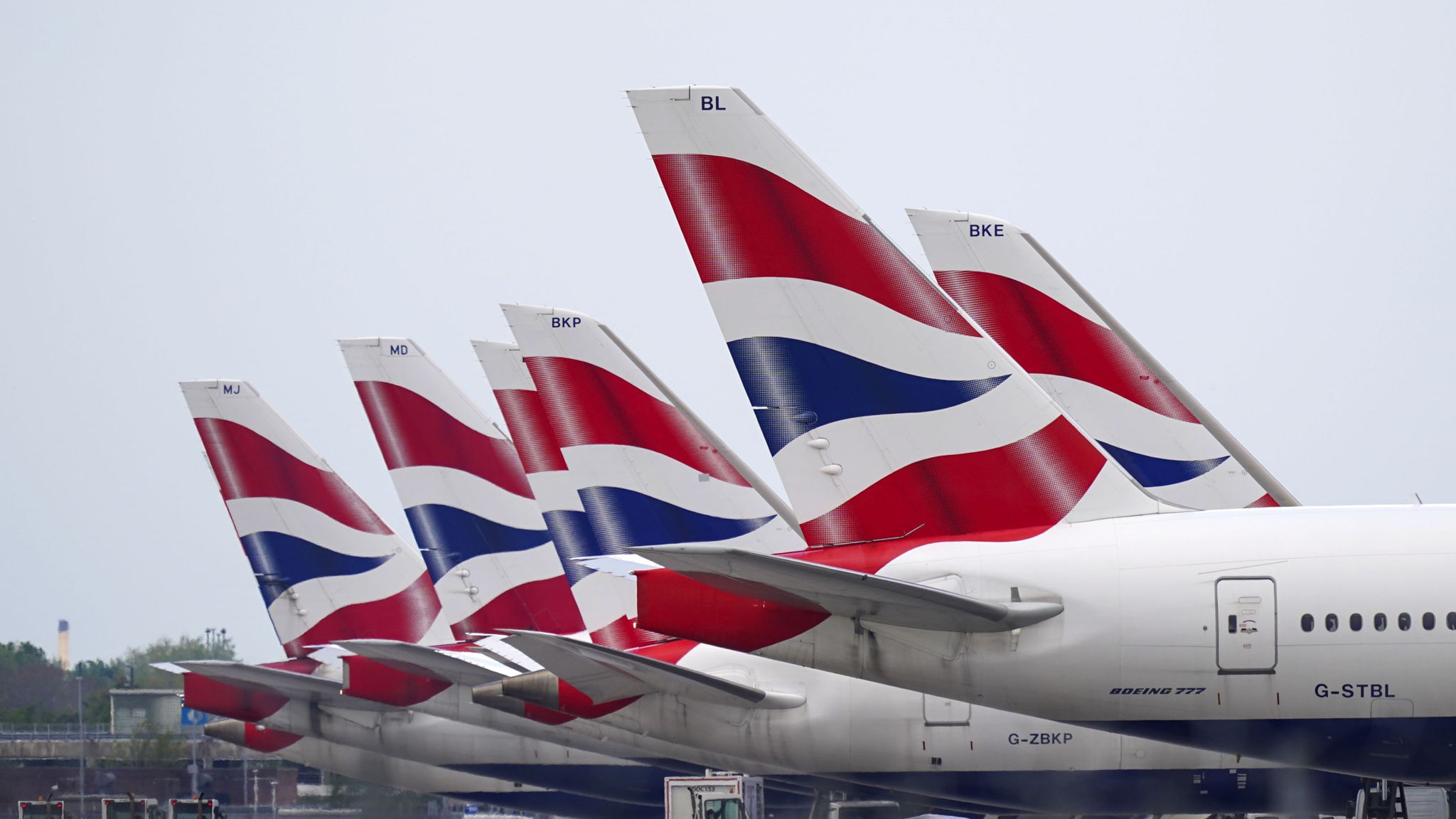
British Airways owner International Airlines Group (IAG) has issued a stark warning about rising airfare costs as the ongoing conflict near the Strait of Hormuz triggers a sharp spike in global oil prices. This escalation threatens to reshape the economics of air travel, with jet fuel costs set to climb and ripple through ticket prices worldwide.
Fuel Price Pressures and Airline Hedging Strategies
The Strait of Hormuz, a critical maritime chokepoint for global oil shipments, remains closed amid escalating tensions linked to the Iran war. This disruption has sent crude oil prices soaring, directly impacting jet fuel, one of the largest expenses for airlines.
IAG disclosed on Friday that despite employing fuel “hedging” — a tactic where airlines pre-purchase fuel at fixed prices to shield against market volatility — it cannot fully insulate itself from the current fuel price surge. This means that the increased operational costs will inevitably translate into higher airfares for passengers.
Hedging can soften immediate cost shocks, but IAG acknowledged that the unprecedented scale of the Middle East crisis limits its effectiveness. The group emphasized it is not yet facing jet fuel supply shortages but remains vigilant amid global concerns.
Government Response and Airport Slot Rule Changes
In response to the fuel crisis, the UK government is actively monitoring fuel reserves to prevent critical shortages that could ground flights. Oil tankers remain barred from passing through the Strait of Hormuz, raising fears of prolonged supply constraints.
To mitigate operational disruptions, the Department for Transport (DfT) has relaxed the stringent “use it or lose it” rule at UK airports. Traditionally, airlines must utilize at least 80% of their allocated take-off and landing slots during a season or risk forfeiting them for the next year. However, the DfT now permits airlines to apply for exemptions if fuel shortages prevent flights from operating.
This policy adjustment, coordinated through Airport Coordination Limited, aims to provide airlines with flexibility to manage fluctuating fuel availability without penalizing them for reduced flight schedules.
Industry Reactions: Airlines Reassure Passengers Amid Uncertainty
While fuel price volatility looms large, some airlines are attempting to calm traveler anxieties. Jet2 issued a statement affirming that its flights and holiday packages will continue “as normal” for the foreseeable future. The airline’s spokesperson highlighted ongoing communication with fuel suppliers to maintain operational stability.
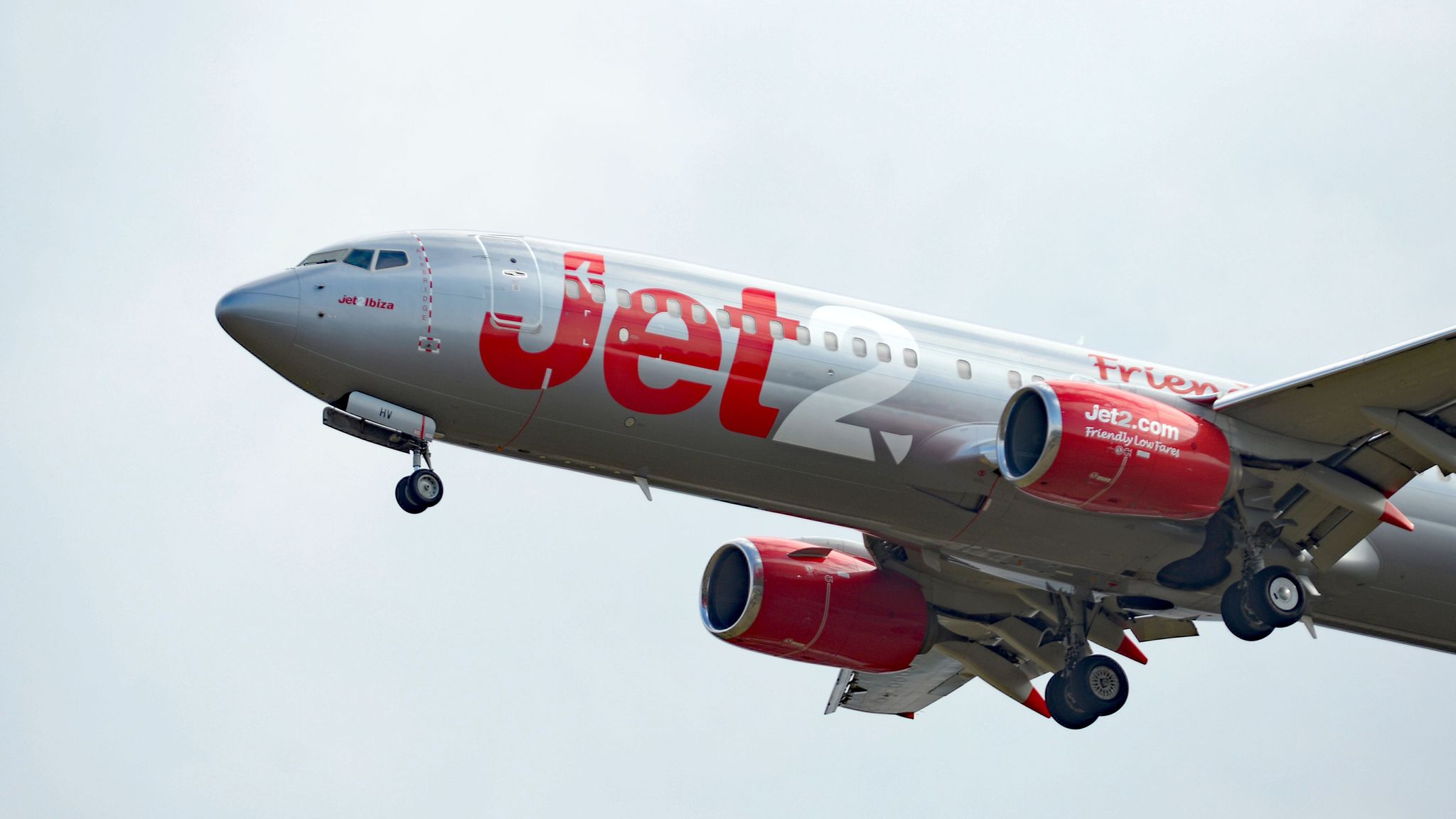
“Based on the conversations we have been having, we see no reason not to look forward to operating our scheduled programme of flights and holidays as normal,” the spokesperson said.
Other carriers, including Virgin Atlantic and easyJet, reportedly expect to maintain their current service levels as well, though the situation remains fluid.
Contrasting these reassurances, European Union Energy Commissioner Dan Jorgensen warned that many travelers face the real risk of holiday disruptions, either through flight cancellations or soaring ticket prices. Speaking to Sky News, he described it as “very likely that many people’s holidays will be affected.”
What This Means for Travelers and the Aviation Industry
The closure of the Strait of Hormuz and the resulting fuel crisis present a significant challenge for airlines and passengers alike. Airlines will grapple with increased operational costs, potentially passing these onto consumers through higher ticket prices or curtailed flight options.
The UK government’s proactive slot rule exemptions signal an understanding of the crisis’s scale, providing airlines with breathing room to adjust without losing valuable airport access. However, the broader uncertainty around fuel supplies could still trigger flight cancellations and travel disruption.
For consumers, this evolving situation underscores the importance of monitoring airline communications closely and preparing for potential itinerary changes or increased travel expenses. It also highlights the vulnerability of global air travel to geopolitical conflicts and energy market fluctuations.
As airlines balance the twin priorities of operational continuity and cost management, the coming weeks will reveal how deeply the Middle East conflict reshapes the aviation landscape.
In summary, British Airways and its parent group IAG are confronting a fuel price shock that threatens to hike airfare costs, while UK authorities adapt regulations to ease operational pressures on airlines. Passengers should stay alert to evolving flight schedules and fare adjustments as this crisis continues to unfold.