

For the first time in over a decade, the British Army has mobilized more than 1,400 soldiers to mainland Europe using a civilian ferry, marking a significant logistical operation ahead of a major NATO military exercise. This large-scale movement reflects evolving strategies in rapid troop deployment and underscores the UK’s commitment to collective defense within Europe.
The Historic Ferry Deployment: What Happened?
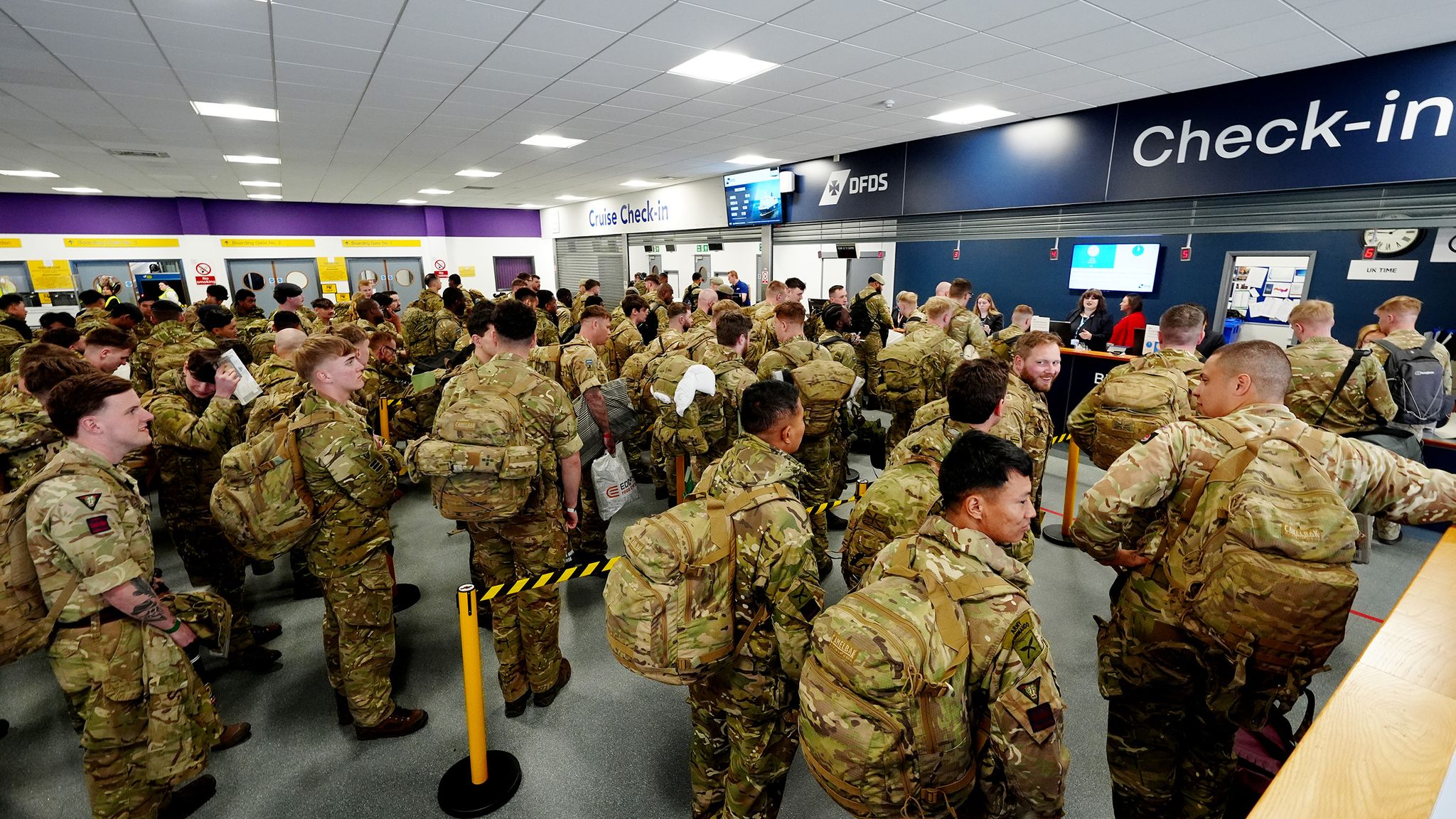
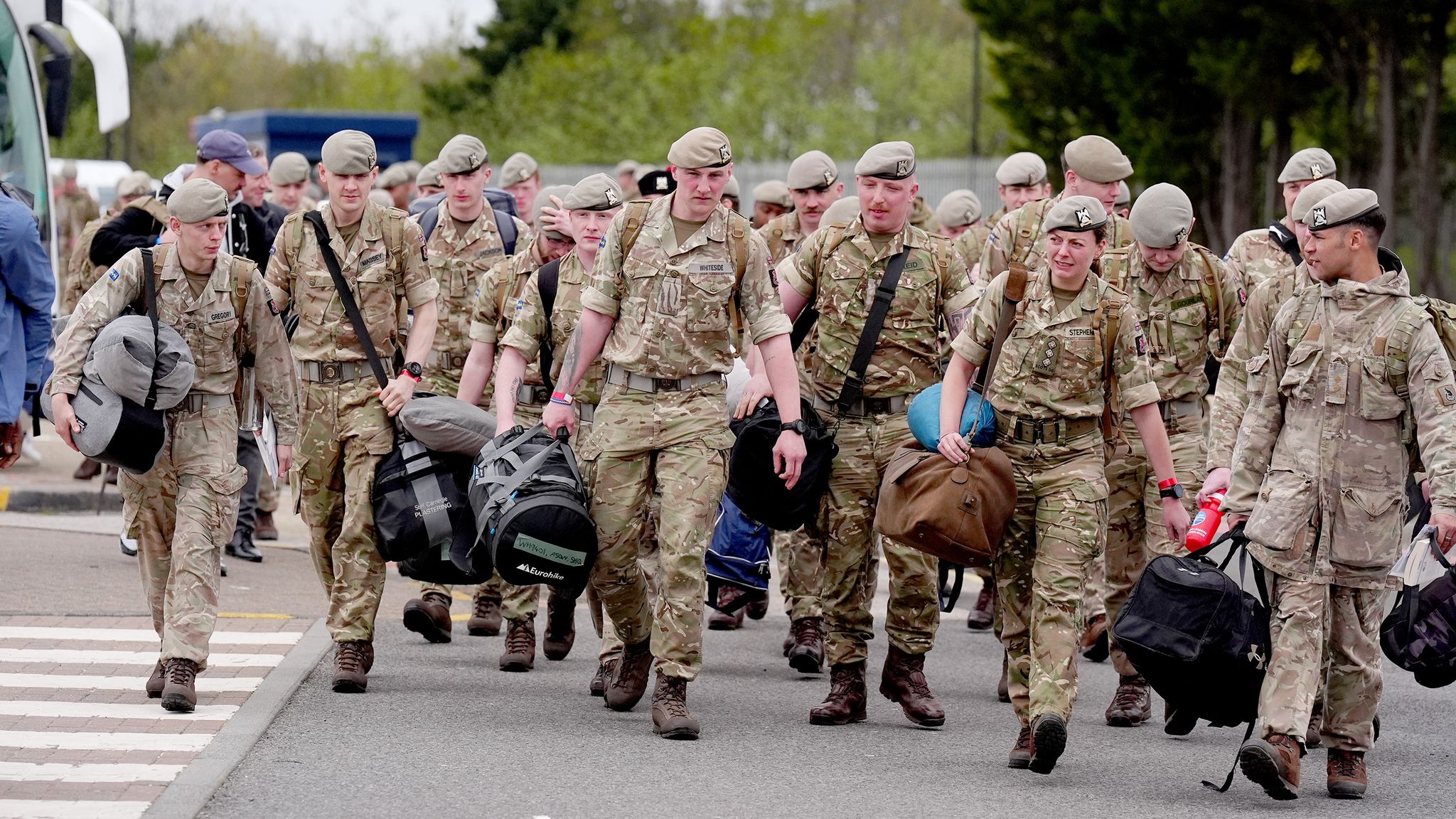
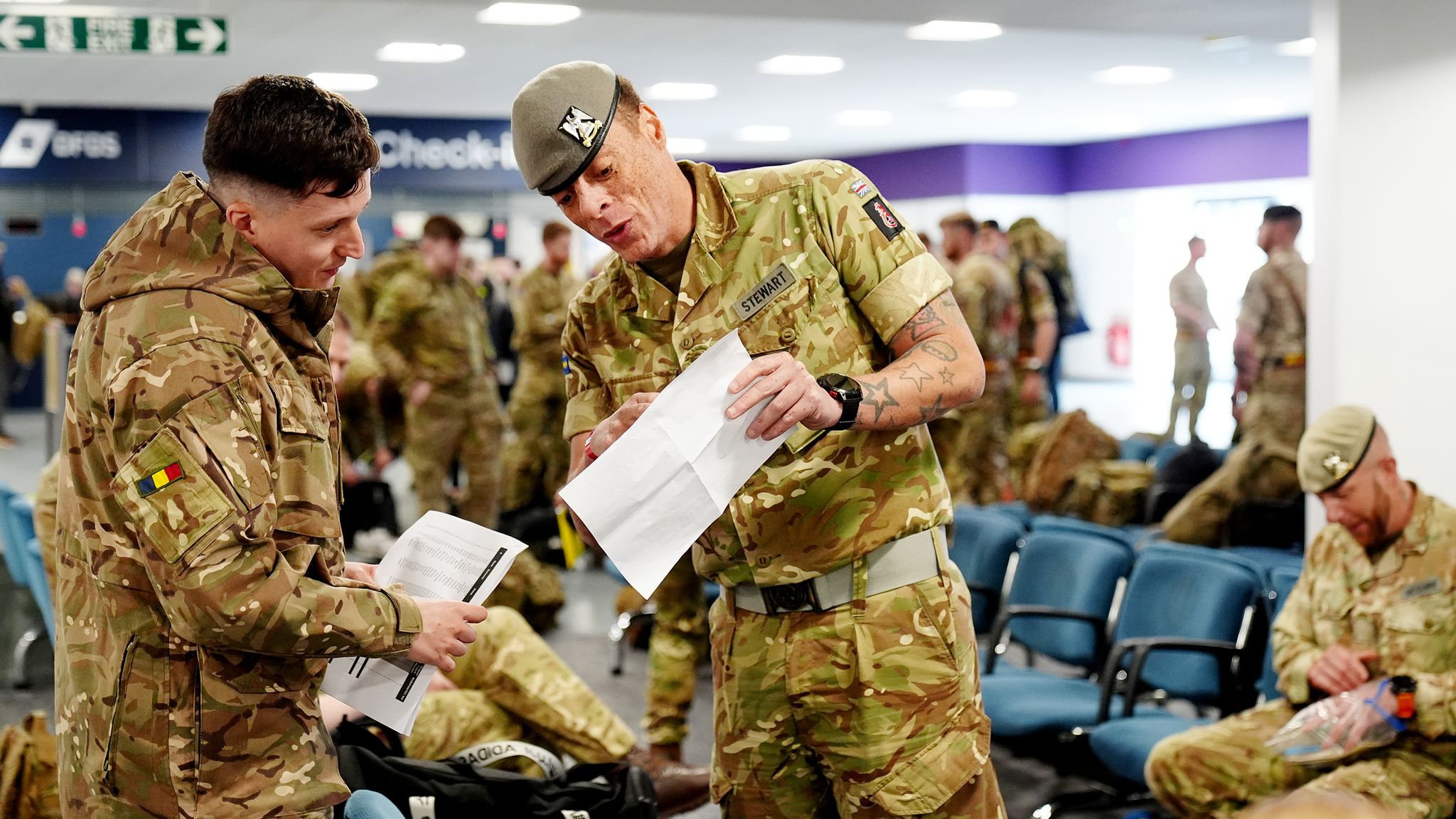
On a Wednesday morning, troops from the 7th Light Mechanised Brigade, famously known as the Desert Rats, boarded a DFDS ferry at North Tyneside for a 16-hour crossing of the North Sea. The destination was the Netherlands, from where the soldiers continued by train to central Germany to participate in Exercise Rhino Storm, a NATO drill designed to test allied response capabilities in the event of an armed attack on member states.
Though using civilian ferries for military transport is uncommon today, it is not unprecedented. The last time a full ferry was chartered by the British Army for troop deployment was during the 2003 Iraq War. Prior to that, similar operations took place during the Falklands conflict and the Gulf War, illustrating a legacy of flexible troop movements that adapt to operational needs.
Why Use a Civilian Ferry? Strategic Flexibility Over Military Transport
The Ministry of Defence clarified that the choice to use a civilian ferry was not due to any shortage of military transport assets. Company Commander Charlie Gilmore of the Scots Guards acknowledged that while this method is “unusual in recent times,” it offers distinct advantages. Moving approximately 1,400 soldiers by air alone would require at least seven separate flights, potentially overburdening the Royal Air Force’s strategic airlift capabilities.
Gilmore emphasized the value of multimodal transport: “We can move by air, by sea, by rail, and this approach allows us to force-project troops efficiently to where they are needed.” This flexibility not only optimizes military logistics but also demonstrates NATO allies the UK’s readiness to deploy forces swiftly in support of collective defense.
To maintain operational security and discipline during the crossing, the ferry was reserved exclusively for service personnel, with no alcohol or duty-free sales available onboard.
Exercise Rhino Storm: Reinforcing NATO’s Collective Defense Commitment
Exercise Rhino Storm is a pivotal training operation aimed at validating NATO’s Article 5 commitment, which declares that an armed attack against one ally is considered an attack against all. This principle forms the cornerstone of the alliance’s collective security framework.
The drills simulate coordinated responses to hostile incursions in Europe, ensuring that member states can rapidly mobilize forces and operate seamlessly together under crisis conditions. The participation of the British Army through this extensive deployment highlights the UK’s role as a key contributor to NATO’s deterrence and defense posture amid rising geopolitical tensions.
Context and Wider Implications
The use of civilian infrastructure for military movement signals a broader shift in defense logistics toward integrated and adaptive strategies. As geopolitical uncertainties escalate, especially in Eastern Europe, NATO nations are increasingly focusing on agility and scalability in force projection.
Moreover, this deployment comes amid ongoing debates about the UK’s defense modernization efforts. Recent reports have criticized Defence Secretary John Healey’s ambitious plans to overhaul Britain’s rearmament and combat readiness, labeling the initiative a “fiasco” according to multiple defence insiders. The ferry operation, in contrast, showcases a tangible example of effective logistical planning and operational flexibility.
What This Means for UK and NATO Security
By successfully moving a large force via a civilian ferry, the British Army has demonstrated an expanded toolkit for rapid deployment that could be essential in future crises. This method alleviates pressure on air transport assets and provides a reliable alternative for mass troop movements, reinforcing NATO’s ability to respond collectively and decisively.
As Exercise Rhino Storm progresses, it will offer critical insights into the interoperability of allied forces and the effectiveness of modern deployment strategies. The UK’s visible commitment to these drills signals to both allies and adversaries that it remains a proactive and capable partner in European security.
Looking ahead, this operation may inspire further integration of civilian transport resources into military planning, enhancing resilience in an increasingly complex security environment.