

James O’Donoghue, a planetary scientist from the University of Reading, has earned one of the most esteemed honors in American astronomy for his exceptional efforts in making space science accessible to millions worldwide.


Bringing the Cosmos to the Public
O’Donoghue has created over 100 educational animations about space, captivating audiences with vivid, scientifically accurate visualizations of planetary phenomena. His videos have amassed more than 400 million views globally, a testament to his ability to engage and educate diverse audiences on complex astronomical subjects.

The impact of his work goes beyond mere numbers. By translating intricate space science into clear, compelling stories, O’Donoghue has expanded public understanding of planetary science and fostered widespread curiosity about the universe.

The Carl Sagan Medal: A Legacy of Science Communication
The American Astronomical Society (AAS) recognized O’Donoghue’s outstanding contributions by awarding him the 2026 Carl Sagan Medal. This award honors individuals who have demonstrated a unique and impactful ability to communicate planetary science to the general public.

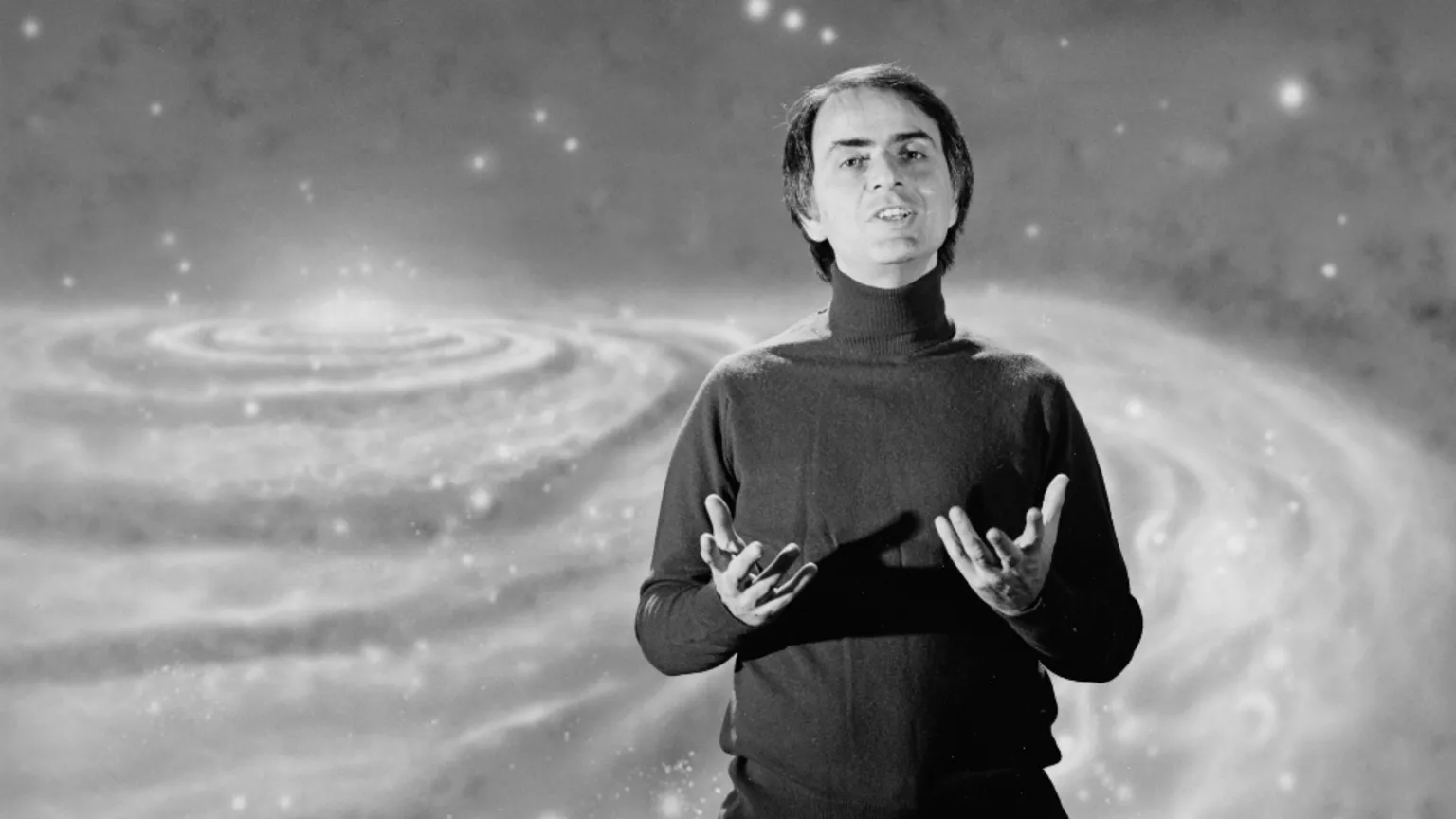
Named after the iconic astronomer and science communicator Carl Sagan, the medal celebrates those who continue Sagan’s legacy of bringing the wonders of the cosmos directly into people’s homes and lives. Sagan’s groundbreaking 1980 series Cosmos revolutionized public engagement with science, inspiring generations to look up and think about our place in the universe.

Why O’Donoghue’s Work Matters
In his own words, O’Donoghue believes space is “one of the few subjects that almost everyone is curious about,” emphasizing that such curiosity deserves serious attention. Understanding phenomena on other planets, he explains, transforms how we perceive Earth and our environment.

“When people understand what’s happening on other planets, it changes how they see our own world,” he stated. This perspective fosters a deeper appreciation for Earth’s unique conditions and may inspire stewardship of our planet.
O’Donoghue stresses that sharing scientific discoveries widely and accessibly is as crucial as conducting the research itself. His approach bridges the gap between academia and the public, making advanced planetary science approachable for learners of all ages and backgrounds.
Impact and Future of Space Education
O’Donoghue’s achievement highlights the growing importance of science communication in today’s digital age. With the expanding reach of social media and online platforms, scientists have unprecedented opportunities to engage with the public directly.
By leveraging animations and visual storytelling, O’Donoghue sets a high standard for how complex scientific concepts can be explained without sacrificing accuracy or excitement. His success demonstrates that effective communication not only educates but also inspires curiosity and wonder about the universe.
As space exploration advances with missions to Mars, the Moon, and beyond, public interest continues to surge. Scientists like O’Donoghue play a pivotal role in ensuring this enthusiasm is met with clear, factual information that fuels informed discussion and education.
Looking Ahead
The recognition of James O’Donoghue with the Carl Sagan Medal underscores the critical role of science education in shaping society’s understanding of space. His work exemplifies how dedication to public outreach can amplify the value of scientific research.
As the frontiers of space science expand, so too does the need for communicators who can translate discoveries into meaningful knowledge for all. O’Donoghue’s achievements inspire both current and future scientists to embrace outreach as a vital part of their mission.
By continuing to illuminate the cosmos through accessible and engaging content, James O’Donoghue ensures that the wonders of the universe remain within reach of millions, encouraging a shared sense of curiosity and exploration.