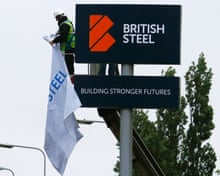
The nationalisation of British Steel marked a pivotal moment in UK industrial history, yet the decision and its aftermath have raised pressing questions about the future of the steel industry. What led to this government takeover, what challenges remain, and how will the company’s future be shaped? This detailed examination unpacks the complex issues surrounding British Steel’s nationalisation and what it means for workers, the economy, and Britain’s manufacturing base.
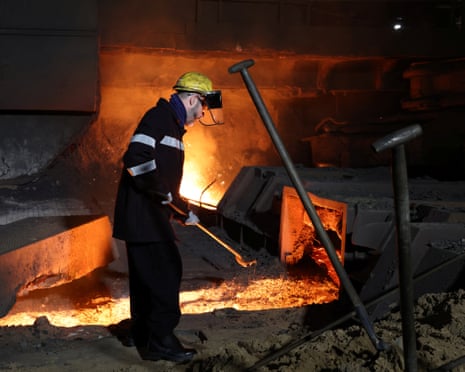
What Happened: The Road to Nationalisation
British Steel, one of the UK’s key steel producers, entered into severe financial distress following a series of operational and market challenges. The company’s struggles culminated in the announcement of nationalisation, with the government stepping in to prevent a collapse that could have devastated thousands of jobs and the wider steel supply chain.

The steel industry has historically been volatile, vulnerable to global market fluctuations, rising energy costs, and shifting trade policies. British Steel’s difficulties were amplified by falling demand and increased competition from cheaper imports. Prior to nationalisation, the company was owned by the Chinese firm Jingye Group, which had acquired it with ambitious investment plans. However, Jingye’s commitment wavered amid financial pressures and political uncertainties, even threatening to walk away from its UK assets at one point.

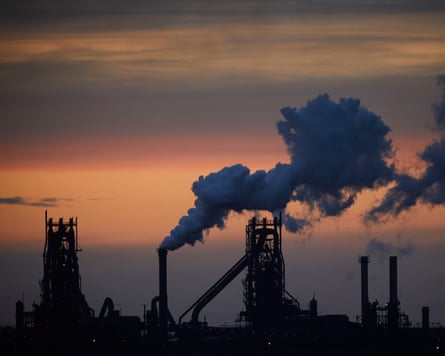
Faced with the prospect of losing a vital domestic steelmaker, the UK government intervened to safeguard the industry’s future, protect jobs, and secure critical infrastructure. This move reflected broader concerns over the strategic importance of steel production, especially as the UK aims to bolster its manufacturing sector post-Brexit.

Why It Matters: The Stakes for Industry and Economy
British Steel’s nationalisation is not just about saving a company; it underscores the fragile state of the UK’s industrial base and the challenges of maintaining sovereignty in critical sectors. Steel forms the backbone of numerous industries—from construction to automotive manufacturing—making its viability essential for economic resilience.

Energy costs have been a major factor undermining competitiveness. The UK’s relatively high electricity prices have placed British Steel at a disadvantage compared to rivals in countries with cheaper energy. Coupled with global supply chain disruptions and tariff uncertainties, these issues contributed to the company’s precarious position.

Furthermore, the nationalisation raises important questions about government strategy in managing key industries. Will public ownership lead to a sustainable revival, or does it simply delay inevitable restructuring? The government must now balance financial support with efforts to modernise operations, improve efficiency, and enhance environmental sustainability.

What Comes Next: Navigating Uncertain Waters
The immediate priority for British Steel under national ownership is stabilisation. This involves securing short-term funding, reassuring employees and suppliers, and maintaining production continuity. However, the longer-term outlook depends on strategic decisions about investment, technology upgrades, and market positioning.

Government officials have indicated a commitment to preserving the steel industry as a vital national asset. Yet, the company faces ongoing headwinds, including potential shifts in global trade dynamics, rising raw material costs, and the urgent need to transition towards greener manufacturing processes to meet climate goals.
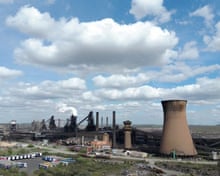
Stakeholders will be watching closely to see how British Steel adapts to evolving economic and environmental demands. Innovation and diversification may play key roles in ensuring competitiveness, while government support could facilitate necessary modernization efforts.
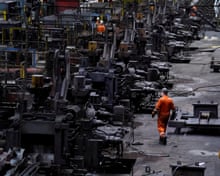
Why This Matters to You
British Steel’s fate impacts more than just its workforce—it carries significant implications for the UK’s broader industrial strategy and economic health. A thriving steel sector supports thousands of indirect jobs and underpins infrastructure projects critical to national development.

The nationalisation reflects a growing recognition that some industries require active government involvement to protect strategic interests and maintain industrial capabilities. The challenge now lies in turning this intervention into a sustainable success that balances economic viability with social responsibility.
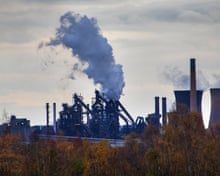
As British Steel navigates this new chapter, its trajectory will offer valuable insights into how the UK manages industrial challenges in an increasingly complex global environment. The government, industry leaders, and communities alike have a stake in ensuring that British Steel not only survives but thrives in the years ahead.
Full details about British Steel’s future plans and government support measures are still evolving, but the nationalisation signals a critical turning point for UK manufacturing and industrial policy.