

British travelers abroad have found themselves turning to their diplomats for a surprising range of personal requests, from wanting blonde hair highlights to recovering lost vehicles and even obtaining British citizenship for their pets. These unusual demands highlight the evolving role of diplomatic missions in assisting nationals far beyond traditional consular support.
Unusual Requests Stretch Diplomatic Services
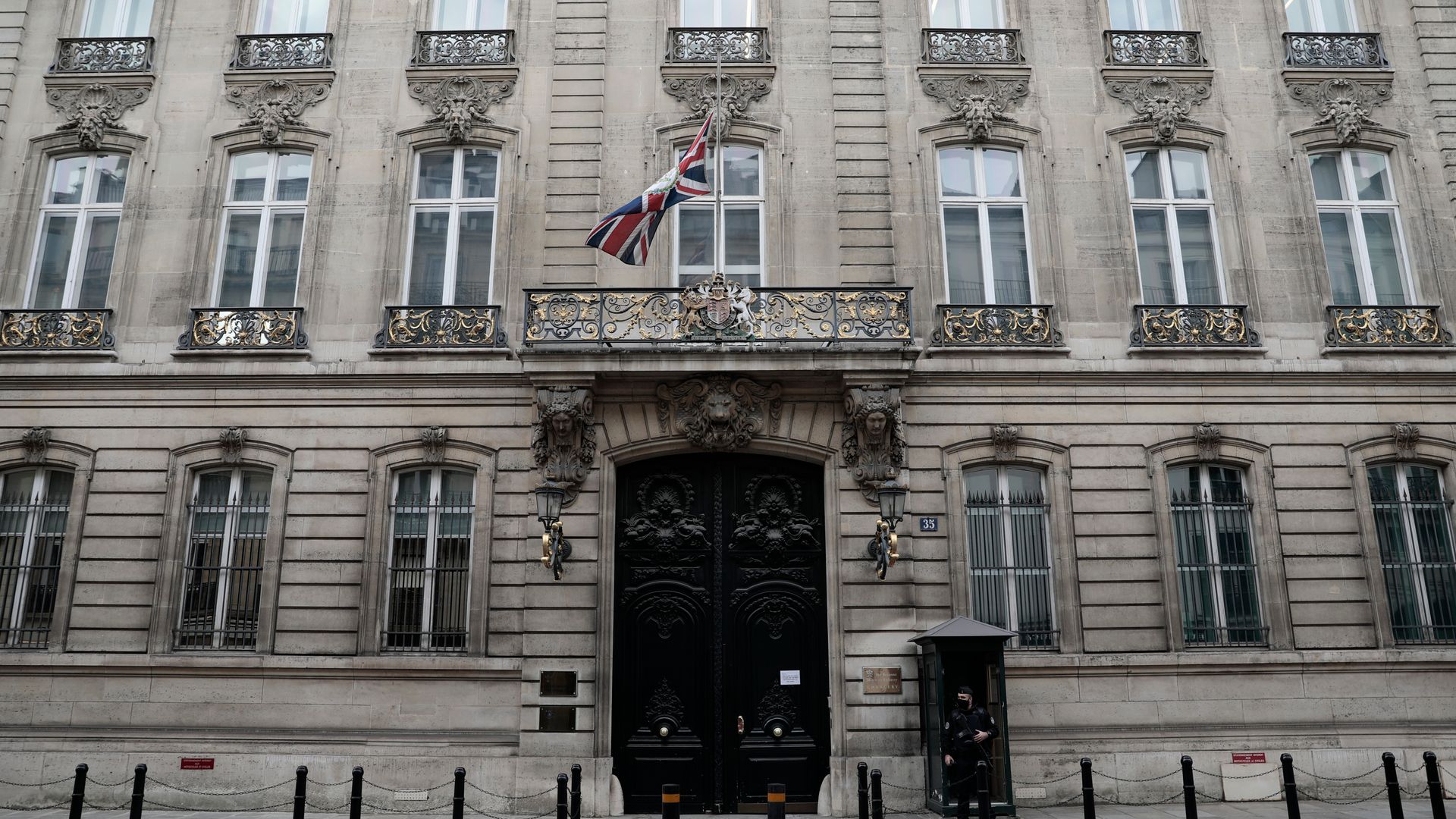
Across various destinations, British citizens have reached out to embassy and consulate staff with some unexpected appeals. One traveler sought help finding a local salon to get blonde highlights, demonstrating how personal grooming needs sometimes prompt appeals for official assistance. Another reported losing a car parked near the Eiffel Tower and asked embassy officials for aid in tracking it down, illustrating how everyday mishaps can escalate into diplomatic matters.
Perhaps most notably, some Britons have requested guidance on securing British citizenship or travel documentation for their pets. This reflects a growing awareness and concern over international pet travel regulations and the desire to maintain legal protections for animals when crossing borders.
Why These Requests Matter
These cases underscore how consular services have expanded to address a broader spectrum of challenges faced by citizens overseas. While the primary role of diplomats remains safeguarding nationals’ safety and facilitating emergency assistance, the rise of such personal requests indicates a shift toward more comprehensive support.
For instance, the demand for pet citizenship assistance ties into stricter international regulations on animal movement, especially post-Brexit and amid ongoing public health concerns. Travelers increasingly seek clarity and support navigating these complex rules to ensure their pets’ welfare and compliance with foreign laws.
Similarly, helping locate a lost car, particularly in a foreign city like Paris, involves diplomatic coordination with local authorities and highlights the embassy’s role in bridging language and bureaucratic barriers for citizens abroad.
The Broader Role of British Diplomats Today
These anecdotes reflect a broader trend in consular work where diplomats are expected to provide more personalized and practical support. This trend is fueled by the growing number of British nationals traveling and living abroad, and the complexities they face in unfamiliar environments.
Embassies and consulates often serve as first points of contact in emergencies but increasingly act as problem-solvers for a wide array of issues. From assisting with lost passports and legal troubles to offering guidance on local customs and services, their role has become indispensable in ensuring citizens’ wellbeing overseas.
Moreover, such interactions can strengthen the bond between citizens and their home country, fostering trust in government institutions even when far from home.
Looking Ahead: What This Means for Travelers
For British nationals planning trips abroad, these stories emphasize the importance of knowing how to access consular services and understanding their scope. While diplomats can facilitate a wide range of support, travelers should also prepare by researching local services and travel requirements in advance.
At the same time, these cases may encourage diplomatic missions to formalize and expand their offerings around everyday citizen needs, possibly integrating more lifestyle and legal advice to better serve the public.
As international travel continues to evolve, the relationship between travelers and their diplomats will likely grow more dynamic and multifaceted, blending traditional consular protection with practical, personalized assistance.
Ultimately, these unconventional requests highlight how embassies are adapting to the changing realities of global mobility, proving that diplomacy today extends far beyond politics and into the personal lives of citizens worldwide.