

More than four decades after a brutal attack in north London, two brothers now stand trial for the murder of a civil servant during a violent spree targeting lone gay men. The case, reopened after decades in cold storage, sheds light on a chilling pattern of hate-fueled violence in 1980s London.
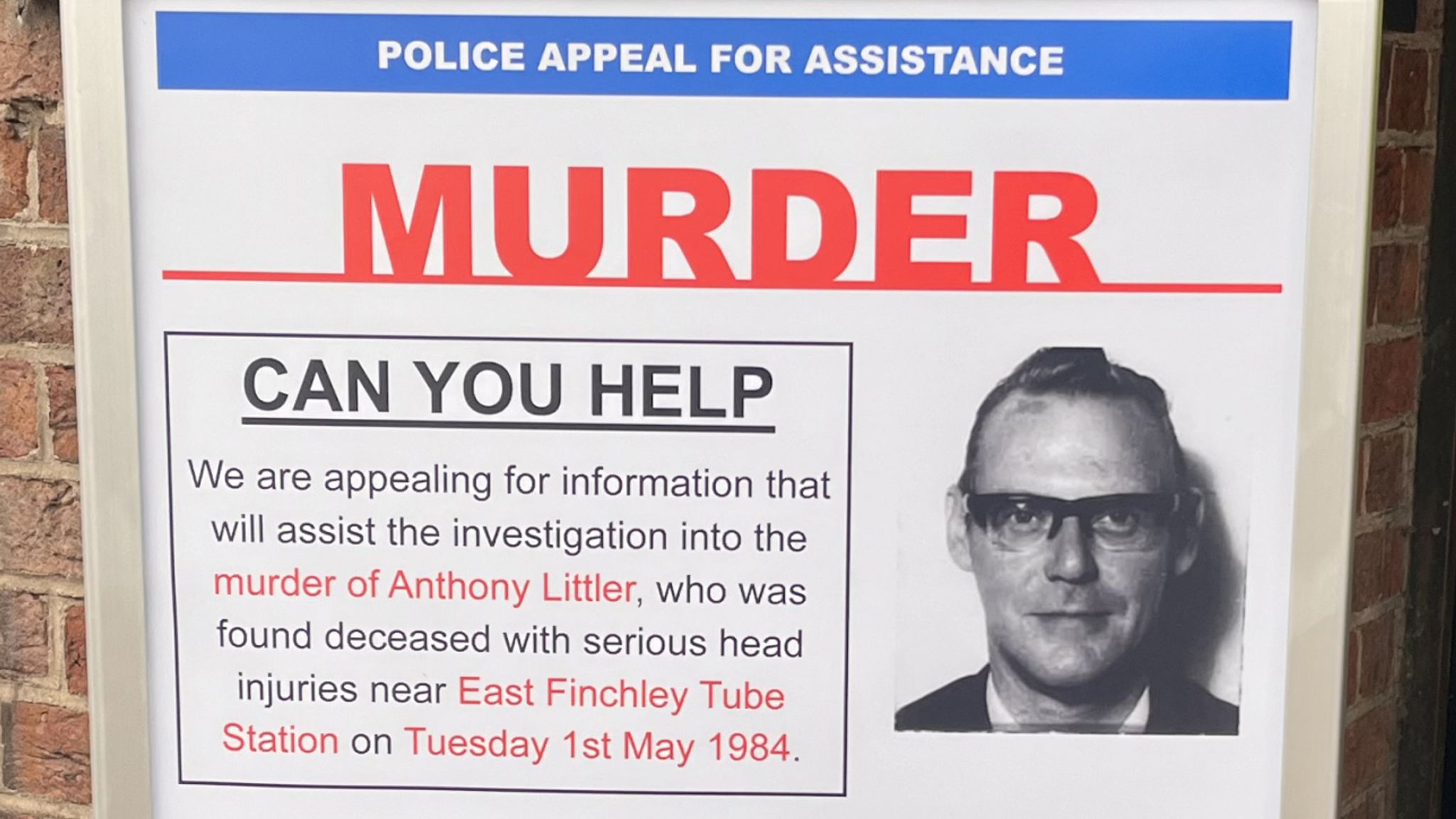
The 1984 Attack: What Happened
Michael Stewart, 57, of New Barnet, and his elder brother Anthony Stewart, 60, from East Finchley, were teenagers—aged 15 and 18 respectively—when the fatal assault occurred on May 1, 1984. The victim, Anthony Littler, a 45-year-old civil servant, was walking home through an alleyway in East Finchley after spending the evening at a pub in Carshalton, Surrey.
The prosecution alleges that the Stewart brothers, as part of a group of young males, set upon Mr. Littler in the early hours following his arrival at East Finchley Tube station just after midnight. Armed with blunt weapons, they inflicted severe head injuries, including two skull fractures and a catastrophic brain injury that caused Mr. Littler’s death at the scene.
Despite the gravity of the attack, Michael and Anthony Stewart initially denied involvement. Both claimed during police house-to-house inquiries that they were at home at the time. Anthony even asserted he had never used the alley where the attack took place.
Breakthrough After Nearly 30 Years
For nearly three decades, the case remained unsolved until a pivotal breakthrough on the 29th anniversary of Mr. Littler’s death. The defendants’ younger brother, Daniel Stewart, who was just 10 years old when the murder occurred, came forward following a family dispute. He reported that Michael and Anthony had confessed to the killing and boasted about their involvement in “queer bashing,” a term jurors heard during the trial.
Further corroboration emerged years later when Michael Stewart allegedly admitted guilt to a former girlfriend, even showing her the crime scene. These revelations helped prosecutors build a compelling case against the brothers.
At the Old Bailey in London, prosecutor John Price KC emphasized a disturbing pattern: “This was not the only time that Michael Stewart, Anthony Stewart and others associated with them used violence on a solitary man they did not know, in a public place.”
He explained that by spring 1984, the brothers and their associates reportedly engaged in a violent habit, targeting men they suspected to be homosexual. This pattern of “queer bashing” reflected a broader social context of fear and animosity toward LGBTQ+ individuals during that era.
Reinvestigation and Modern Evidence
In 2022, the Metropolitan Police revived the cold case, employing covert surveillance techniques to gather fresh evidence. Authorities bugged the brothers’ vehicles and Michael Stewart’s home, aiming to capture incriminating discussions or admissions.
The court also heard that immediately following the attack, Michael Stewart allegedly called an ambulance from a nearby phone booth but abruptly hung up, prompting emergency responders to cancel their search for an injured man.
Mr. Littler, described as a real ale enthusiast, had been enjoying a night out before the fatal assault, highlighting the tragic disruption of an ordinary life by senseless violence.
Why This Trial Matters
This trial holds significance far beyond the individuals involved. It illuminates a dark chapter of hate crimes against the LGBTQ+ community in 1980s Britain, a period when such violence often went underreported or unprosecuted. The reopening of this case demonstrates the persistence of law enforcement in pursuing justice, even decades later.
For survivors, families, and communities affected by similar crimes, the trial offers a measure of acknowledgment and accountability long overdue. It also reflects evolving societal attitudes, where violence motivated by sexual orientation is now met with rigorous investigation and prosecution.
As the trial at the Old Bailey continues, it serves as a reminder of the importance of vigilance against hate crimes and the need for justice regardless of how much time has passed.
Looking Ahead
The Stewart brothers deny the charges of murder, and the trial is ongoing. The court will weigh decades-old testimony alongside recent investigative findings to determine responsibility for Anthony Littler’s death.
This case underscores the challenges of solving historic crimes but also the critical role of renewed efforts in delivering justice. It highlights the strides made in confronting and condemning violence against marginalized communities, ensuring that such acts do not fade into obscurity.