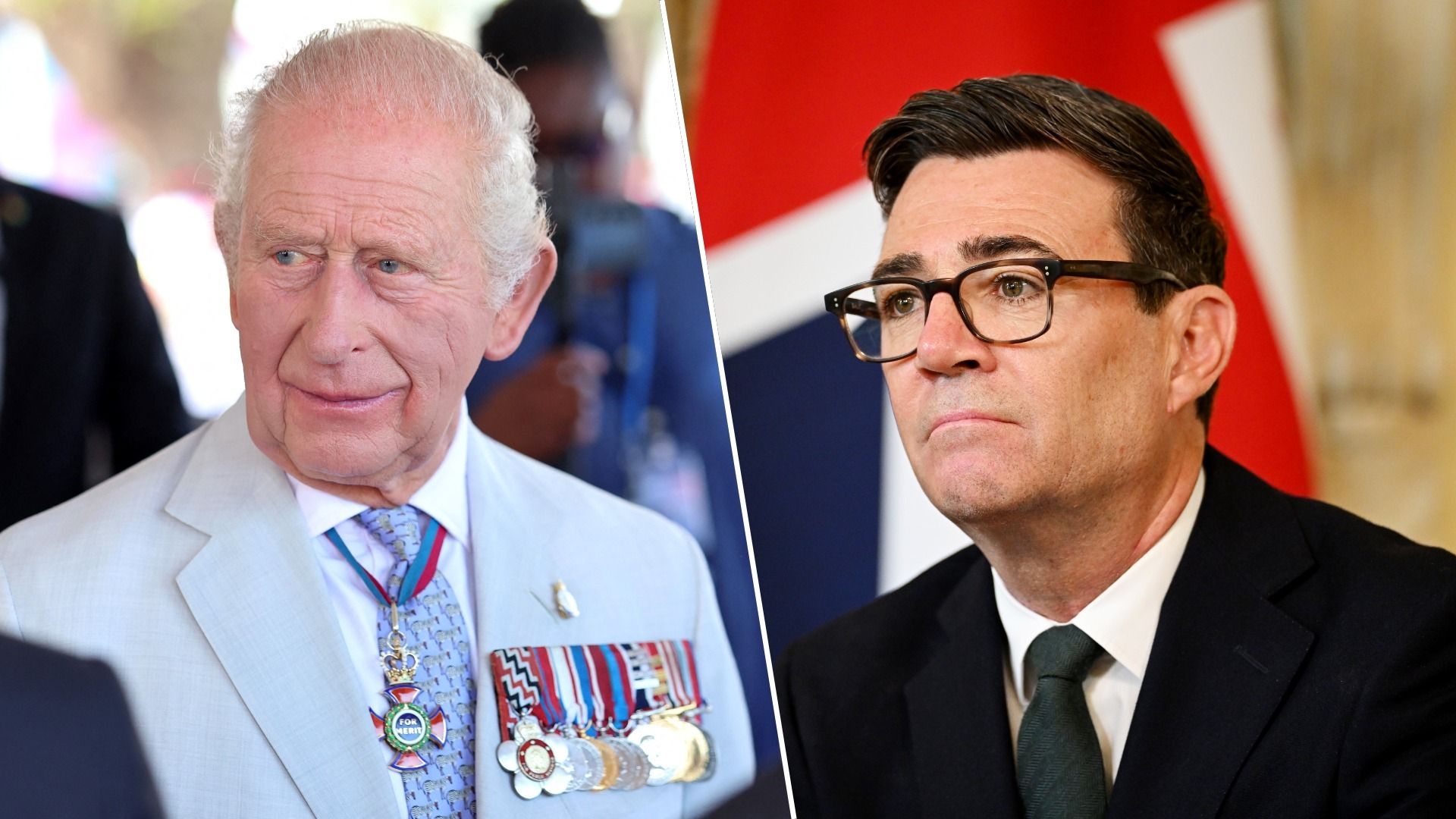
UK Prime Minister has vowed to spearhead a transformative agenda within the Commonwealth, emphasizing urgent financial reforms aimed at easing debt burdens for member nations. This commitment comes as he prepares to join King Charles III on a high-profile tour of the Caribbean, signaling a renewed partnership between the UK and Commonwealth countries facing economic challenges.
What’s Driving the Push to Reshape the Commonwealth?
The Commonwealth, a voluntary association of 56 member countries—many of which are former British colonies—has long been an influential platform for political, cultural, and economic cooperation. However, in recent years, member nations, especially in the Caribbean and Africa, have grappled with soaring borrowing costs and mounting debt pressures.
In this context, the UK Prime Minister’s announcement to lead a “debt reset” initiative marks a decisive effort to address these financial hurdles. Higher interest rates and global economic instability have severely constrained the fiscal space of many Commonwealth countries, threatening their development and social programs.
By advocating for debt restructuring and more sustainable financing options, the UK aims to support vulnerable economies in regaining fiscal stability and fostering growth. This approach reflects a broader ambition to modernize the Commonwealth’s role in global affairs, aligning it with the economic realities of the 21st century.
Prime Minister’s Visit to the Caribbean: A Symbolic and Strategic Move
The upcoming journey with King Charles III to the Caribbean carries both symbolic and strategic weight. The region, home to several Commonwealth members, has historically maintained strong ties with the UK but now faces intensified economic challenges compounded by climate change and pandemic aftermaths.
This visit is expected to cement the UK’s commitment to deepening ties, emphasizing shared values of democracy, development, and resilience. The Prime Minister’s focus on debt relief during this trip highlights a practical agenda designed to deliver tangible benefits to these nations.
Moreover, this tour allows the UK leadership to engage directly with Caribbean heads of state, financial leaders, and civil society groups to tailor solutions that reflect local needs. It also sends a message of solidarity and partnership at a time when geopolitical shifts are prompting countries to reassess their international alliances.
Why the Debt “Reset” Matters for Commonwealth Nations
Many Commonwealth countries have seen their borrowing costs spike due to global interest rate hikes and economic uncertainty, leading to increased debt servicing burdens. For small island states and developing economies, this can translate into budget cuts, stalled infrastructure projects, and social service disruptions.
The proposed debt “reset” aims to renegotiate terms, reduce interest rates, or restructure debt profiles to make repayments manageable. This relief would enable nations to redirect resources toward critical areas like healthcare, education, and climate resilience.
Such financial reforms could strengthen the Commonwealth’s economic cohesion and enhance its global influence by showcasing a collaborative approach to shared challenges. The UK’s proactive role in this process could also restore trust and reinvigorate the Commonwealth as a relevant multilateral institution.
Looking Ahead: What This Means for the Commonwealth and Beyond
The UK Prime Minister’s initiative to reshape the Commonwealth through financial reform and debt relief signals a pivotal moment for the organization’s future. By addressing pressing economic issues head-on, the UK positions itself as a leader committed to equitable growth and sustainable development within the Commonwealth.
This strategy not only benefits member nations but also strengthens the UK’s diplomatic influence amid a shifting global order. As the Commonwealth adapts to contemporary challenges, this debt reset could serve as a blueprint for broader cooperation on trade, climate action, and governance.
Ultimately, the Prime Minister’s engagement alongside King Charles III underscores a renewed vision of partnership—one that respects the sovereignty of member states while fostering collective progress. The success of this endeavor will depend on ongoing dialogue, mutual trust, and practical support tailored to the diverse needs of Commonwealth countries.
Full details of the debt reset framework and subsequent policies are expected to unfold following the UK delegation’s Caribbean visit.