

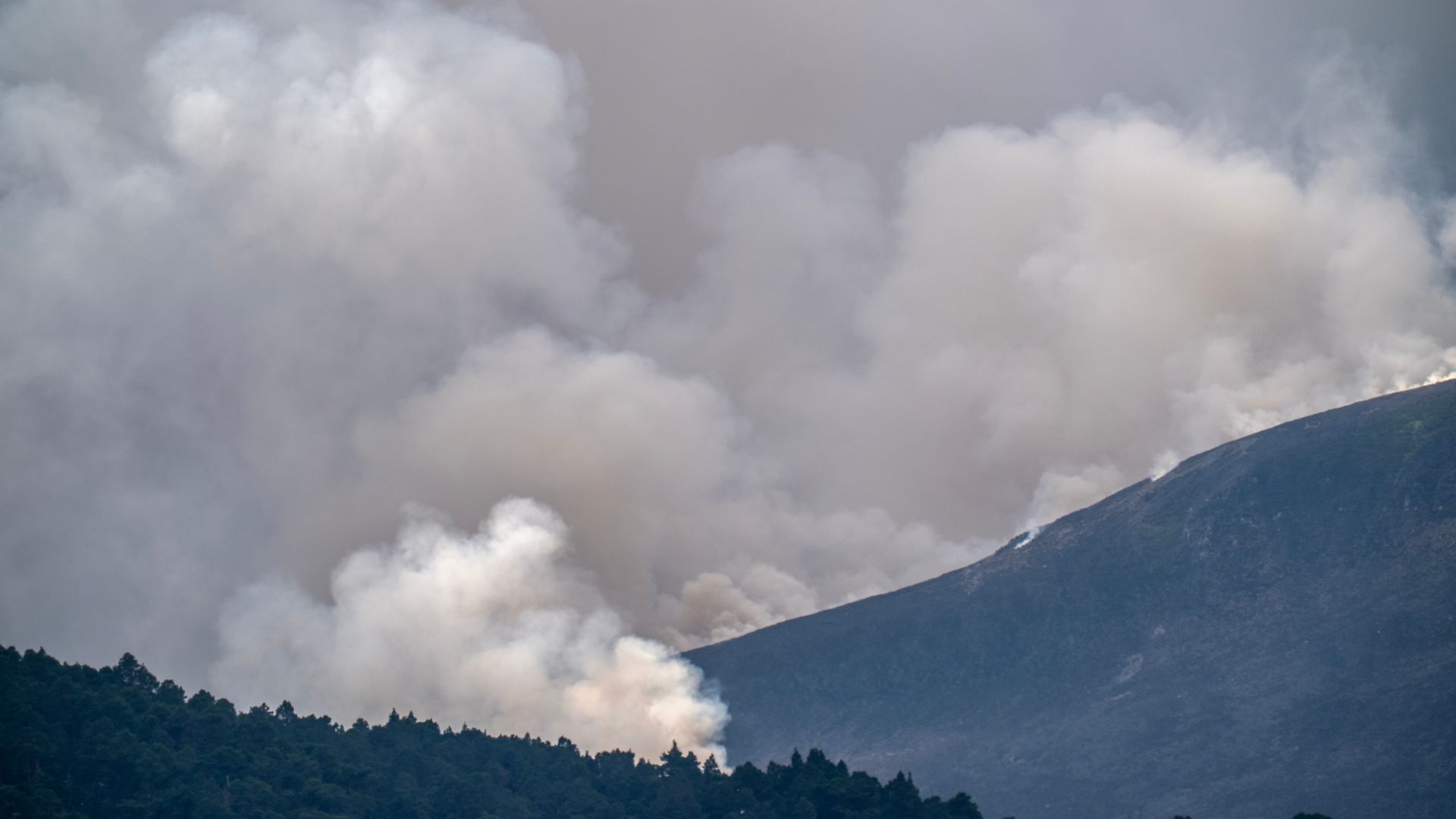
A rapidly spreading wildfire in the heart of Cairngorms National Park has prompted Police Scotland to declare a major incident, as hundreds of residents in nearby villages face urgent evacuation orders. Fire crews continue to battle the blaze amid challenging conditions, highlighting the growing threat of wildfires in Scotland’s iconic natural landscapes.
What Happened: The Cairngorms Wildfire Intensifies
The wildfire erupted within the vast expanse of the Cairngorms, one of the largest national parks in the United Kingdom, renowned for its fragile ecosystems and scenic beauty. As the fire rapidly expanded, local authorities escalated the response, officially declaring it a major incident. This designation triggers the mobilization of additional emergency resources and coordination between multiple agencies.
Firefighters have been working relentlessly to contain the flames, which have been fanned by dry weather and gusty winds. The terrain’s rugged nature and limited access routes complicate firefighting efforts, making containment a formidable challenge. The blaze threatens not only the natural environment but also the safety of several small communities nestled within the park’s borders.
In response, Police Scotland ordered the evacuation of hundreds of villagers from at-risk areas to ensure public safety. Evacuation centers have been established to provide shelter and support for displaced residents. Emergency services continue to monitor the situation closely, issuing regular updates to keep the public informed.
Why It Matters: Environmental and Community Impact
The Cairngorms National Park represents a vital ecological and cultural asset for Scotland. It encompasses sensitive habitats that support rare wildlife species and is a popular destination for tourism and outdoor recreation. A wildfire of this magnitude poses severe risks to biodiversity, soil stability, and air quality.
Beyond environmental concerns, the wildfire disrupts the lives of local residents. Many villagers rely on the land for livelihoods tied to agriculture, forestry, and tourism. The forced evacuations underscore the human cost of such natural disasters, as families face uncertainty and potential property damage.
This incident also highlights the growing prevalence and intensity of wildfires in regions previously less prone to such events. Climate change factors, including prolonged dry spells and rising temperatures, contribute to heightened wildfire risks across the UK and Europe.
What Comes Next: Containment and Recovery Efforts
Emergency responders remain focused on containing the fire and preventing further spread. Coordination between Police Scotland, fire services, and environmental agencies is critical to managing the incident effectively. Aerial firefighting support, including water-dropping helicopters, may be deployed if weather conditions permit.
Once the fire is under control, attention will shift to assessing damage and initiating recovery efforts. The restoration of affected habitats will require careful planning to preserve the park’s ecological integrity. Authorities will also evaluate infrastructure impacts and support affected communities in rebuilding.
Officials urge residents and visitors to heed all safety instructions and stay updated through official channels as the situation evolves.
Looking Ahead: Lessons and Preparedness
The Cairngorms wildfire serves as a stark reminder of the urgent need for enhanced wildfire preparedness and resilience strategies in natural areas. Strengthening early warning systems, investing in firefighting resources, and promoting sustainable land management practices will be essential to mitigating future risks.
For communities living close to vulnerable landscapes, this incident underscores the importance of emergency planning and community awareness. The resilience shown by emergency services and residents alike will be crucial as Scotland confronts the increasing challenges posed by climate change and environmental hazards.
As the situation continues to unfold, full details about the extent of the damage and the timeline for containment remain forthcoming. Authorities remain committed to protecting lives, property, and the treasured environment of the Cairngorms National Park.