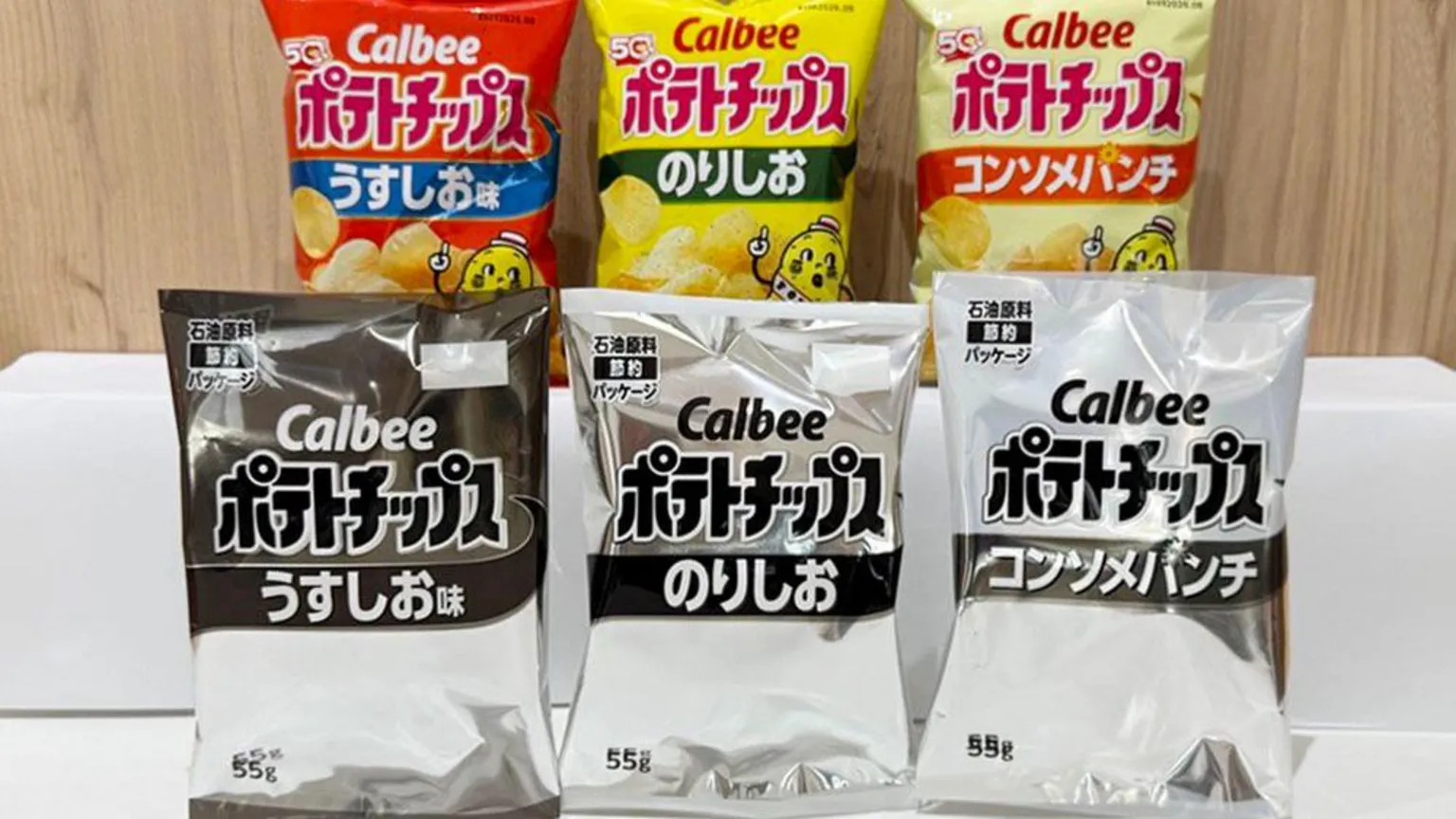
Japanese snack titan Calbee is altering its packaging strategy in response to a critical supply chain disruption triggered by the ongoing conflict in Iran. Starting May 25, 14 of Calbee’s most popular snack products, including crisps and prawn crackers, will feature a stark black and white design instead of their usual colorful packaging. This shift highlights the profound ripple effects the Middle East tensions are having on global manufacturing and consumer goods.
What Triggered Calbee’s Packaging Change?
The catalyst for this unexpected design overhaul lies in the complex geopolitical turmoil surrounding Iran. Since late February, escalating hostilities have effectively blocked shipments through the Strait of Hormuz, a crucial maritime chokepoint responsible for roughly 20% of the world’s petroleum transit. In retaliation against US and Israeli strikes, Iran’s closure of this vital waterway has disrupted the flow of numerous raw materials to global markets.
Among the most affected commodities is naphtha, a key byproduct of oil refining used extensively in manufacturing inks and plastics. The shortage of naphtha has directly impacted ink production, forcing companies like Calbee to reconsider their packaging options.
In an official statement, Calbee explained the design change as a necessary response to “supply instability affecting raw materials amid ongoing tensions in the Middle East.” The company emphasized that this measure aims to “help maintain a stable supply of products” despite the challenging environment.
The Broader Impact of Middle East Tensions on Global Supply Chains
Calbee’s packaging update is emblematic of broader supply chain disruptions rippling across multiple industries worldwide. The Iran conflict has caused significant volatility in oil and gas markets, with prices surging since February 28. As shipments through the Strait of Hormuz stalled, the availability of oil derivatives like naphtha—a critical input for plastic and ink manufacturing—has tightened considerably.
These shortages are not isolated. Companies in sectors ranging from fuel production to electronics report increased costs and delays. For example, the scarcity of helium, plastics, and other refined petrochemicals has led to production slowdowns and price hikes globally.
In Japan, where Calbee leads the snack market, the packaging alteration reflects a pragmatic approach to managing raw material shortages while ensuring shelves remain stocked with consumer favorites. By temporarily switching to monochrome packaging that requires less specialized ink, Calbee can circumvent the ink supply bottleneck and continue distribution without significant interruption.
Why Calbee’s Packaging Shift Matters to Consumers and Industry
This packaging change offers insight into how geopolitical conflicts can ripple through everyday consumer experiences. While a black and white bag might seem like a minor cosmetic change, it signals the fragility of global supply chains in the face of international crises.
For consumers, Calbee’s move ensures uninterrupted access to beloved snacks despite external turmoil. For the industry, it underscores the importance of supply chain resilience and adaptability. Companies must anticipate raw material shortages and pivot quickly to sustain operations.
Moreover, this situation highlights how interconnected global commodity markets have become. A conflict thousands of miles away can affect ink availability in Japan, altering product packaging design on store shelves.

Looking Ahead: Navigating Uncertainty in a Volatile Market
Calbee’s temporary black and white packaging represents a strategic response to a complex supply challenge, but the broader implications remain uncertain. The duration of the Iran conflict and its impact on the Strait of Hormuz will dictate how long supply disruptions persist.
In the meantime, companies worldwide will likely continue seeking innovative solutions to mitigate raw material shortages. Calbee’s decisive action serves as a case study in operational agility, demonstrating how brands can maintain product availability amid global instability.
For consumers and businesses alike, this episode reinforces the need to monitor geopolitical developments closely and prepare for their downstream effects. As supply chains grow increasingly globalized and interdependent, even regional conflicts can have far-reaching consequences.
In summary, Calbee’s packaging shift is more than a design tweak—it’s a tangible reminder of how international conflicts can disrupt everyday life, prompting industries to adapt swiftly to maintain stability and meet consumer demand.