

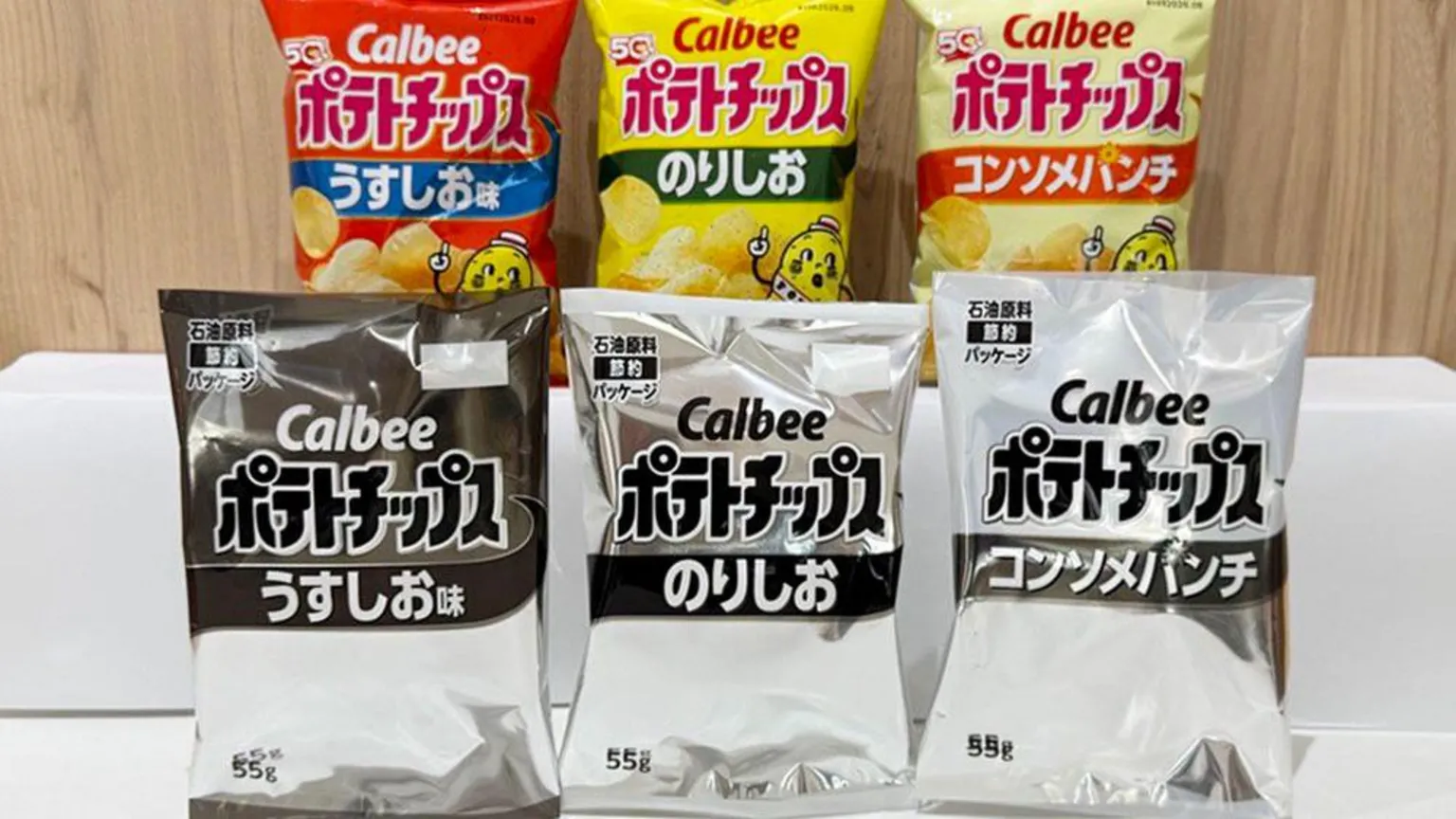
Calbee, Japan’s leading snack manufacturer, is making a striking change to its packaging by temporarily switching to black and white designs for 14 of its most popular products. This unexpected move comes as the ongoing conflict in Iran severely disrupts the supply of key raw materials used in ink production, highlighting how geopolitical tensions ripple through global supply chains and affect everyday consumer goods.
How the Iran Conflict is Impacting Global Supply Chains
The shift in Calbee’s packaging reflects broader supply instability triggered by the war in Iran, which escalated after a series of US and Israeli military strikes. In retaliation, Iran has effectively closed off the Strait of Hormuz, a critical maritime chokepoint through which roughly a fifth of the world’s oil passes. This strategic closure has sent shockwaves through international markets, disrupting shipments of oil and oil-derived products worldwide.
Among the affected materials is naphtha, a petroleum byproduct crucial for manufacturing inks and plastics. Naphtha’s scarcity has driven up costs and forced companies to rethink their supply chains and production methods. These shortages have hit industries far beyond energy, including consumer goods, packaging, and manufacturing sectors.
Calbee’s Packaging Shift: Details and Implications
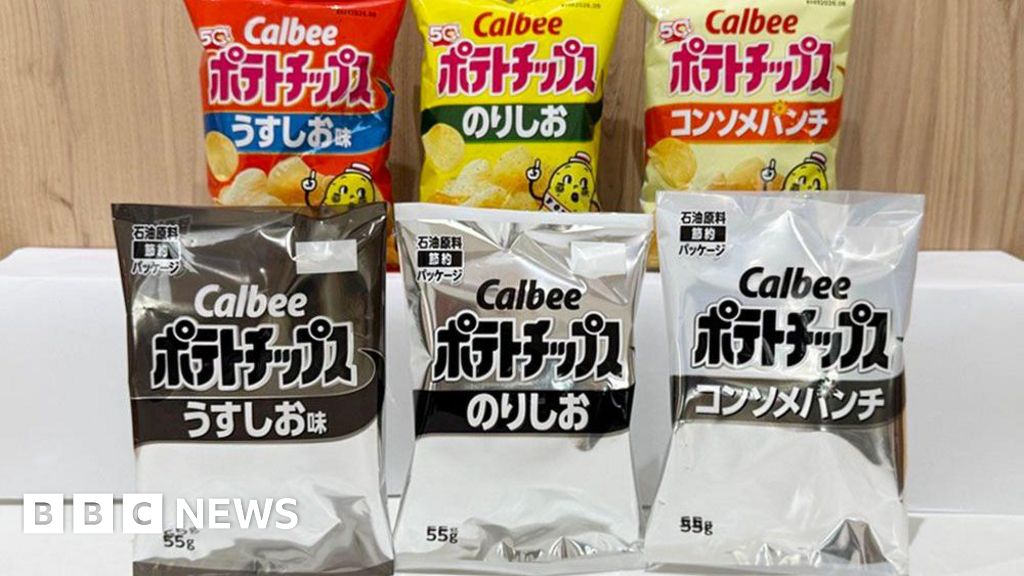
Starting May 25, customers in Japan will notice new black and white packages replacing the usual colorful designs on Calbee’s crisps, prawn crackers, and other snack products. The company confirmed this adjustment as a direct response to “supply instability affecting raw materials amid ongoing tensions in the Middle East.”
Calbee emphasized that the packaging change is a temporary measure aimed at stabilizing product availability during this challenging period. By reducing reliance on colored inks, the firm hopes to alleviate the pressure on limited naphtha supplies and avoid product shortages that could disappoint consumers and disrupt sales.
This decision underscores the complex connections between geopolitical events and consumer experiences. What might seem like a minor cosmetic change on store shelves actually represents a strategic adaptation to a rapidly shifting global landscape.
Why This Matters: Broader Economic and Consumer Impacts
The Calbee example is one among many signaling how conflicts in far-flung regions sway global economic currents. Since the Iran conflict erupted on February 28, oil and gas prices have surged dramatically, inflating costs across industries reliant on these fuels and their derivatives.
Businesses worldwide are grappling with increased expenses and supply bottlenecks. Beyond ink and packaging, shortages in fuel, plastics, and even specialty gases like helium have prompted warnings from multiple sectors about escalating operational costs and potential disruptions.
For consumers, the impact manifests in subtle but tangible ways—changes in product appearance, price hikes, and sometimes limited availability. Calbee’s proactive pivot to black and white packaging exemplifies how companies must innovate and adapt swiftly to maintain supply stability amid global uncertainty.

Looking Ahead: Navigating Uncertainty in a Globalized Economy
The Calbee packaging shift serves as a bellwether for how geopolitical instability can cascade into unexpected corners of daily life. While the black and white packets may feel like a temporary inconvenience, they highlight the fragility of supply chains intricately tied to volatile international events.
As tensions persist in the Middle East, companies dependent on petroleum-derived materials face ongoing challenges. The situation underscores the need for diversified sourcing strategies, increased resilience in supply chains, and transparency with consumers about the hurdles behind the scenes.
For now, Calbee’s pragmatic response aims to safeguard product availability and reassure customers that, despite global turmoil, their favorite snacks will remain on shelves—even if their packaging looks a little different.