

A powerful coalition of online safety advocates with diverse perspectives has united in a rare show of agreement, calling on Sir Keir Starmer to take decisive action. They urge the Labour leader to require social media companies to demonstrate that their platforms are genuinely safe before permitting children to use them.
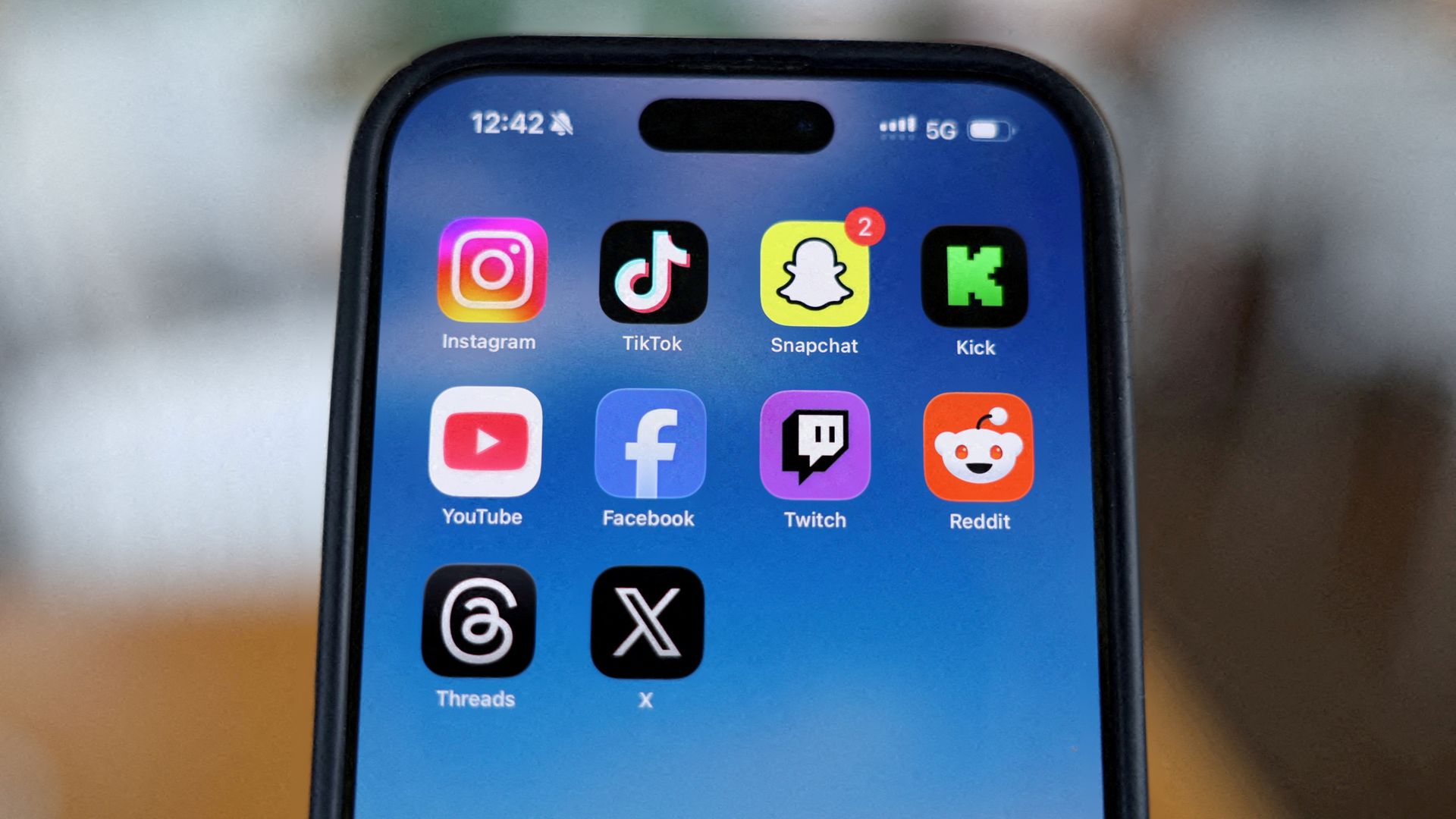
Unified Front Amongst Diverse Online Safety Campaigners
In a landscape often divided by competing interests and viewpoints, this collaboration stands out. Groups that typically hold opposing stances on internet regulation have come together, recognizing the urgent need to protect young users from the potential harms of social media. Their joint appeal to Sir Keir Starmer signals growing concern over the unregulated exposure of children to online environments that can facilitate bullying, misinformation, and exploitation.
These campaigners emphasize that current measures fall short of adequately safeguarding children. They argue that social media platforms should not be accessible to minors unless the companies can provide clear, evidence-based assurances that their services are equipped to protect this vulnerable demographic.
Why This Call to Action Matters Now
The rise of social media has transformed how young people communicate, learn, and socialize. However, it has also introduced risks that parents, educators, and policymakers struggle to manage. From data privacy breaches to exposure to harmful content, children face unprecedented challenges when navigating these digital spaces.
Many platforms have minimal age verification systems, making it easy for underage users to create accounts. Without robust safety protocols, children can encounter cyberbullying, inappropriate content, and online predators. The psychological impacts of such exposure can be severe and long-lasting.
By demanding that social media firms prove their platforms are safe before allowing children to join, campaigners aim to shift responsibility onto the companies themselves. This approach would compel developers to prioritize child safety in their design and operational policies, rather than treating it as an afterthought.
What This Could Mean for Social Media Regulation and Children’s Online Experiences
If Sir Keir Starmer heeds this call, it could mark a significant step towards stricter regulation of social media access for minors in the UK. Requiring firms to provide safety certifications would likely involve independent audits and the implementation of more rigorous age verification and content moderation systems.
This move could also encourage greater transparency from social media companies about how they protect young users. Parents and guardians would gain more confidence in the platforms their children use, and children would benefit from safer digital environments.
Moreover, such a policy would align with broader global trends emphasizing child online safety, including legislation in other countries and guidelines from international bodies. It reflects an increasing recognition that protecting children in the digital age requires proactive, enforceable standards rather than voluntary compliance.
Looking Ahead: The Future of Child Safety on Social Media
The campaigners’ unified demand places a spotlight on the responsibility social media companies bear in shaping young people’s online experiences. As digital spaces become more integral to everyday life, ensuring these environments are safe for children is not just desirable—it is essential.
Sir Keir Starmer’s response to this appeal could influence the future of online safety policy in the UK, potentially setting a precedent for how governments worldwide hold social media platforms accountable. The movement underscores the urgent need for practical solutions that balance innovation with protection.
Ultimately, the call for proof of safety before granting children access highlights a critical shift: from reactive measures to preventive safeguards. It signals a collective demand to prioritize the well-being of the next generation in the evolving digital landscape.