

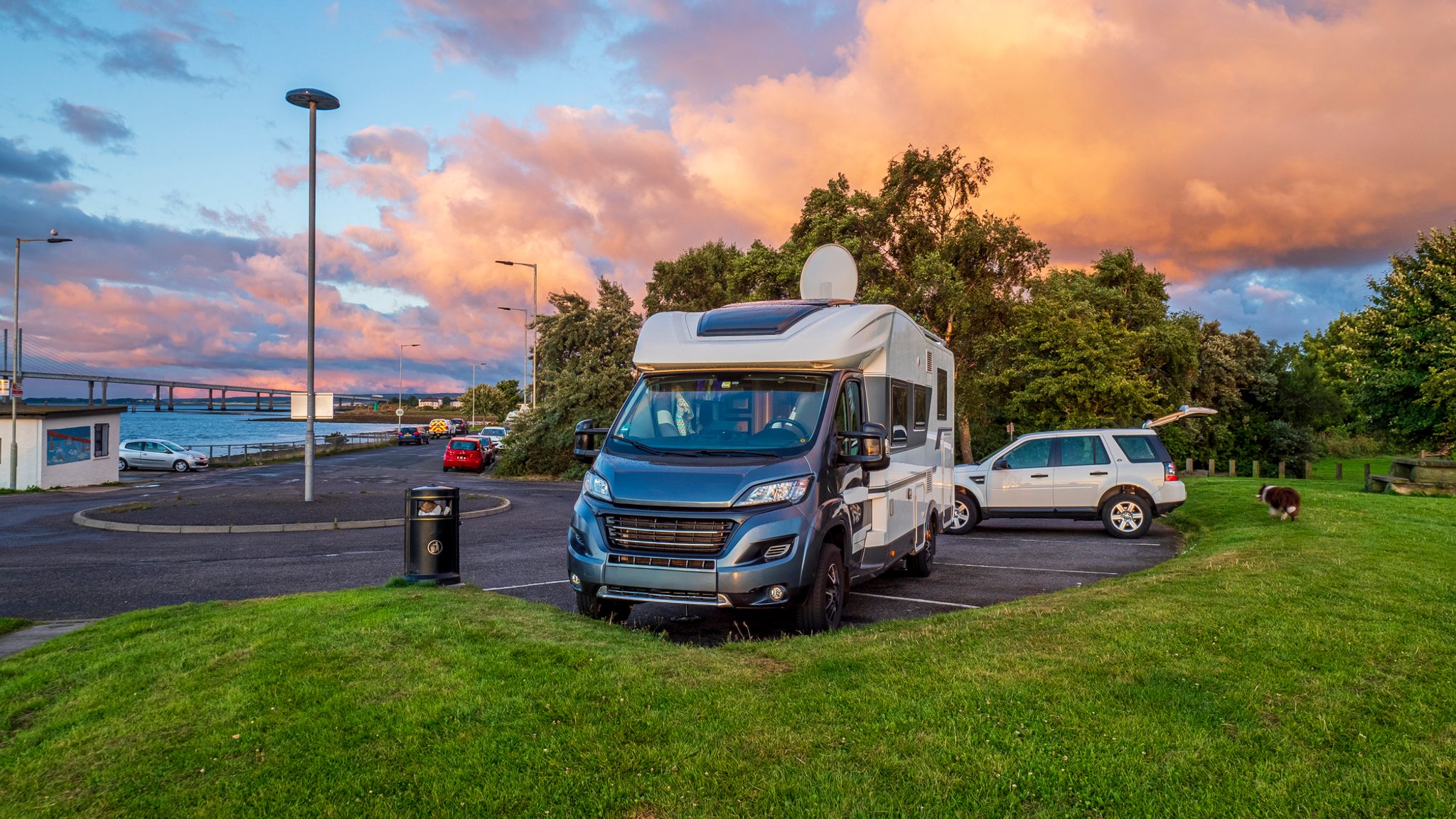
Local councils across the UK have begun imposing bans on campervans and motorhomes at popular tourist destinations, sparking controversy. The motorhome advocacy group Campaign for Real Aires (Campra) has condemned these blanket restrictions as short-sighted and counter-productive, warning they could harm local economies and tourism.
Growing Restrictions on Campervan Parking
In response to complaints about overcrowded parking spaces, littering, and anti-social behaviour, several councils are trialling or considering bans on overnight campervan parking in high-traffic visitor areas. Notably, North Yorkshire Council recently trialled a prohibition on motorcaravans—encompassing both motorhomes and campervans—parking overnight at popular coastal spots.
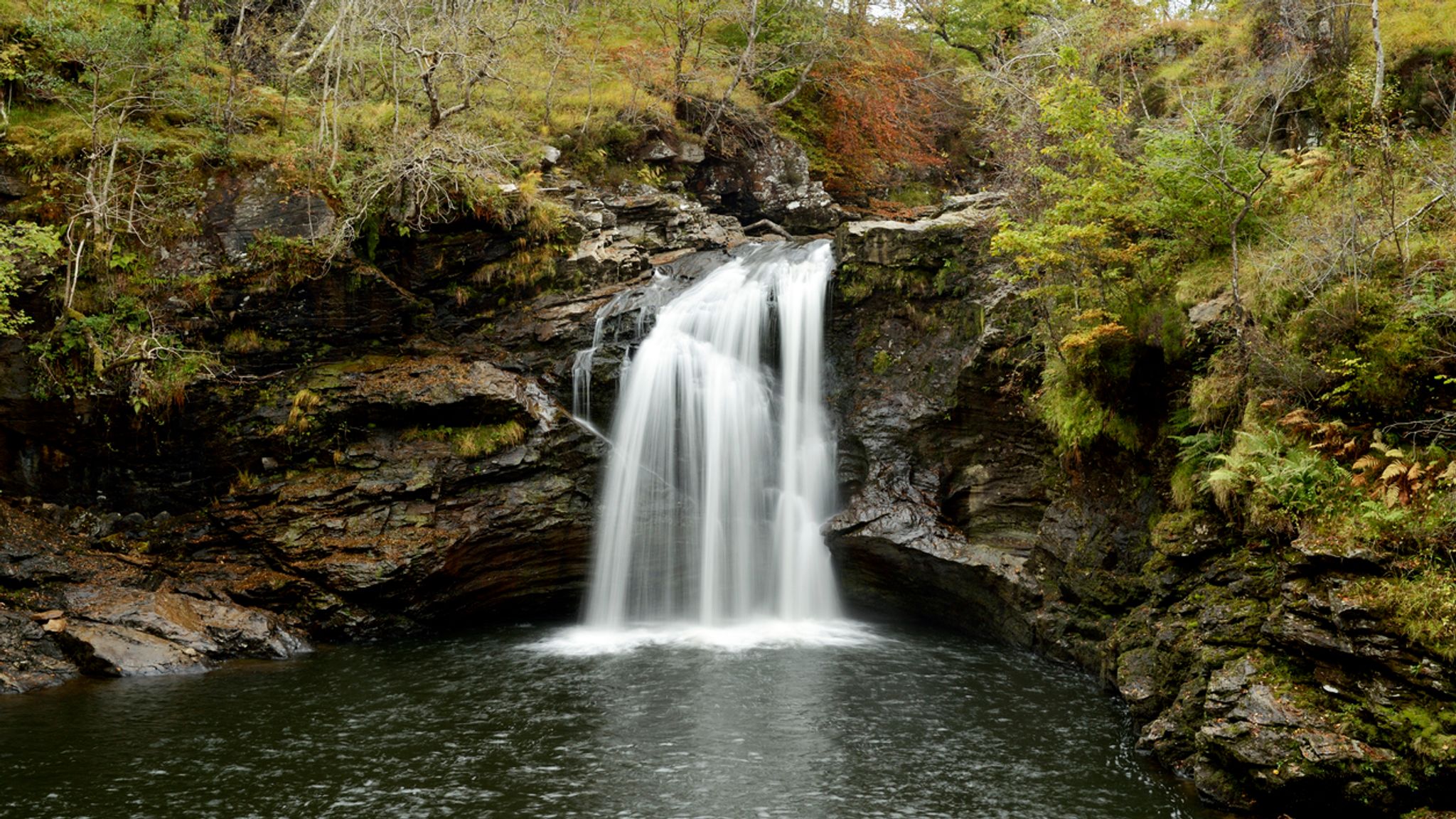
Similarly, in Scotland, vehicles are now banned from entering the visitor site at the Falls of Falloch waterfall near Crianlarich, Stirling. The Loch Lomond and the Trossachs National Park Authority justified the ban by stating it will help “improve vehicle flow and safeguard the surrounding environment”.
Meanwhile, Cornwall Council is actively considering implementing similar restrictions at its own tourist hotspots to address similar concerns.
Campra Advocates for Constructive Solutions, Not Bans
Campra, a leading motorhome lobby group, argues that blanket bans fail to address the root causes of the issues and ultimately punish responsible campervan users. The group insists that with improved infrastructure and designated facilities, the problems of parking congestion and environmental impact can be effectively managed.
Donald McDonald, founder and president of Campra, emphasized the negative consequences of these restrictions, stating: “Blanket bans of motorhomes and campervans are short-sighted and counter-productive – ultimately affecting local economies and UK tourism.”
He highlighted the growing importance of domestic tourism, especially amid ongoing uncertainties surrounding international travel. “With more uncertainty than ever over travel abroad at the moment, it’s important to think about options for people to holiday in the UK,” McDonald said.
Campra promotes the adoption of European-style aires, which are designated stopping points offering facilities like waste disposal and fresh water for campervan users. These aires have long been standard throughout much of Europe, allowing motorhome owners to park responsibly without causing disruptions.
According to Campra’s recent survey of 6,731 motorcaravan owners, a striking 88% expressed dissatisfaction with the scarcity of overnight parking options across the UK, underscoring a clear demand for better facilities rather than outright bans.
Economic and Environmental Implications
The debate over campervan restrictions touches on wider concerns about sustainable tourism and local economic vitality. Motorhome tourists typically spend money on fuel, food, attractions, and accommodation, supporting small businesses in rural and coastal areas.
Campra warns that prohibiting overnight parking could deter these visitors, causing a loss of revenue for communities that often rely heavily on tourism. Instead of bans, the group urges councils to invest in infrastructure that balances visitor access with environmental protection.
With over half a million motorcaravans registered in the UK, according to Driver and Vehicle Licensing Agency figures, the campervan community represents a substantial segment of domestic tourism.
Implementing well-planned aires could help ease parking pressures, reduce littering and anti-social behaviour, and preserve natural sites by concentrating vehicle use in managed areas.
What This Means for UK Tourism
The rise in campervan popularity reflects a broader trend toward flexible, nature-oriented holidays, especially in the wake of pandemic-related travel restrictions. The current bans highlight tensions between preserving tourist destinations and accommodating this growing mode of travel.
Campra’s call for designated stopping places offers a practical path forward—one that supports local economies, protects sensitive environments, and respects the needs of campervan travellers.
As councils weigh their options, the outcome of these trials could set a precedent for how the UK balances tourism growth with environmental stewardship in the years ahead.
In summary, while concerns about overcrowding and environmental impact are legitimate, blanket campervan bans may ultimately do more harm than good. Sustainable solutions like European-style aires provide a tested model that can support both local communities and the thriving UK campervan sector.