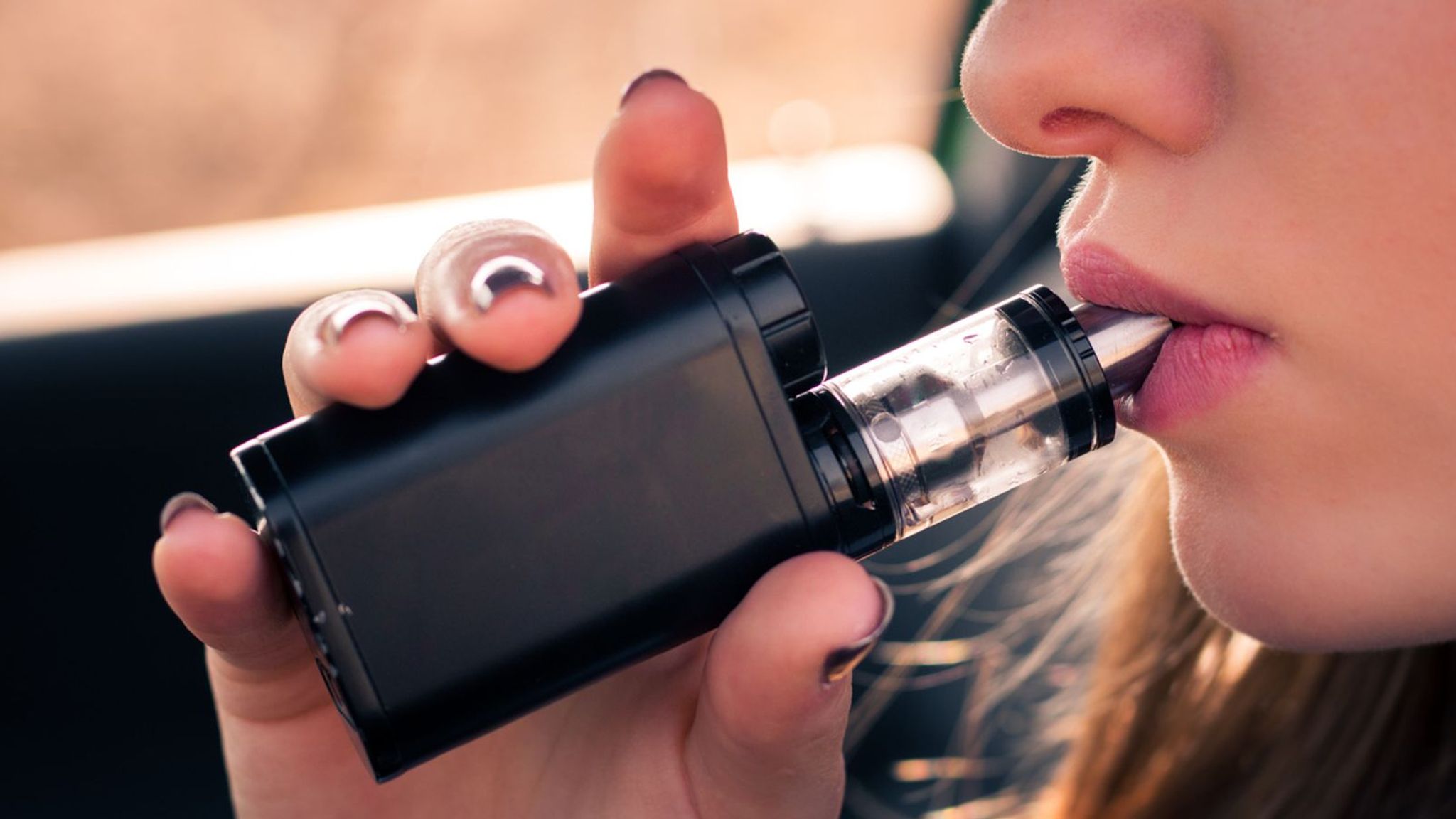
A startling new Metropolitan Police operation has exposed a hidden crisis in schools: one in eight vapes confiscated from students contains illicit drugs such as spice and THC. These hazardous substances are increasingly disguised within vaping devices, posing a serious threat to young people’s health and safety.
What the Investigation Uncovered
The pilot initiative targeted schools across southwest London, where police collected 32 vaping devices from students. Using an advanced detection system, officers extracted vapor samples directly from the devices to screen for psychoactive substances, specifically THC—the primary intoxicating component of cannabis—and spice, a synthetic cannabinoid notorious for triggering severe psychotic episodes and linked to numerous overdoses nationwide.
This groundbreaking approach revealed that approximately 12.5% of the tested vapes were contaminated with these dangerous drugs. The findings corroborate previous research from the University of Bath, which reported that up to a quarter of vapes seized in English secondary schools contained spice substances.
Why This Matters: The Growing Threat of Adulterated Vapes
Police warn that counterfeit and drug-laced vapes are becoming a discreet yet pervasive method for delivering harmful substances to young people. These devices are often shared or mistaken for harmless nicotine products, leading to alarming incidents where students have become seriously ill. Some have collapsed in school corridors and required urgent hospital treatment after using these adulterated vapes.
The Metropolitan Police have documented around 200 reports related to spiking offences involving children, many connected to vaping products. This surge in cases highlights an evolving pattern of drug misuse among youth, with vaping emerging as a dangerous vector for substance abuse and non-consensual drug administration.
Changing Patterns in Drug Spiking
Deputy Assistant Commissioner Ben Russell emphasized the urgency of the situation: “Whether knowingly or unknowingly, children carrying dangerous substances in schools is deeply concerning.” He confirmed that the force is deploying new technologies and innovative strategies to identify and disrupt the supply of these illicit substances.
Moreover, the Met is engaging directly with young people, schools, colleges, and safeguarding organizations to raise awareness about the risks and encourage informed decision-making. Collaboration across these sectors aims to build protective barriers around vulnerable students and reduce the incidence of drug-related harm in educational settings.
Wider Context: The Evolution of Spiking Offences
In September, the Metropolitan Police highlighted a disturbing trend: drug spiking is no longer confined to clubs and bars but increasingly occurs in private environments such as home parties and student accommodations. Offenders now utilize a broader spectrum of substances, including prescription and over-the-counter medications, alongside drug-infused vapes.
Detective Superintendent Dan Thompson, the Met’s lead on spiking cases, explained, “The nature of spiking is changing. Offenders are exploiting everyday medications and adding substances to vaping devices, making it harder to detect and prevent.”
This shift complicates efforts to safeguard young people, as private settings provide fewer opportunities for intervention and monitoring. The covert nature of drug-laced vapes further exacerbates the risk, enabling offenders to administer harmful substances without immediate suspicion.
What This Means for Parents, Schools, and Communities
The infiltration of illicit drugs into vaping devices signals a pressing public health and safety challenge. Parents and educators must remain vigilant, recognizing that seemingly innocuous vaping products may conceal dangerous chemicals.
Schools play a critical role in early identification and prevention. By integrating education on the risks of counterfeit and drug-laced vapes into health and safety curricula, they can empower students to make safer choices. Additionally, ongoing police cooperation provides vital support in detecting and responding to these threats.
The Metropolitan Police’s use of specialized detection technology represents a significant advance in combating this issue. However, addressing the root causes—such as peer pressure, mental health struggles, and drug availability—requires a holistic approach involving families, healthcare providers, and community organizations.
Looking Ahead: Protecting Young People in a Changing Landscape
The emergence of drug-spiked vapes in schools is a stark reminder of how quickly the drug landscape evolves, especially among youth populations. It underscores the need for adaptive, proactive measures to protect children from harm.
By fostering strong partnerships between law enforcement, educational institutions, and families, society can better anticipate and counteract these hidden dangers. Continued investment in detection methods, alongside comprehensive education and support, will be essential to safeguarding the health and futures of young people.
As the Metropolitan Police expand their efforts, the message is clear: vigilance, awareness, and collaboration are crucial to combating the growing threat of illicit substances concealed within vaping devices.