

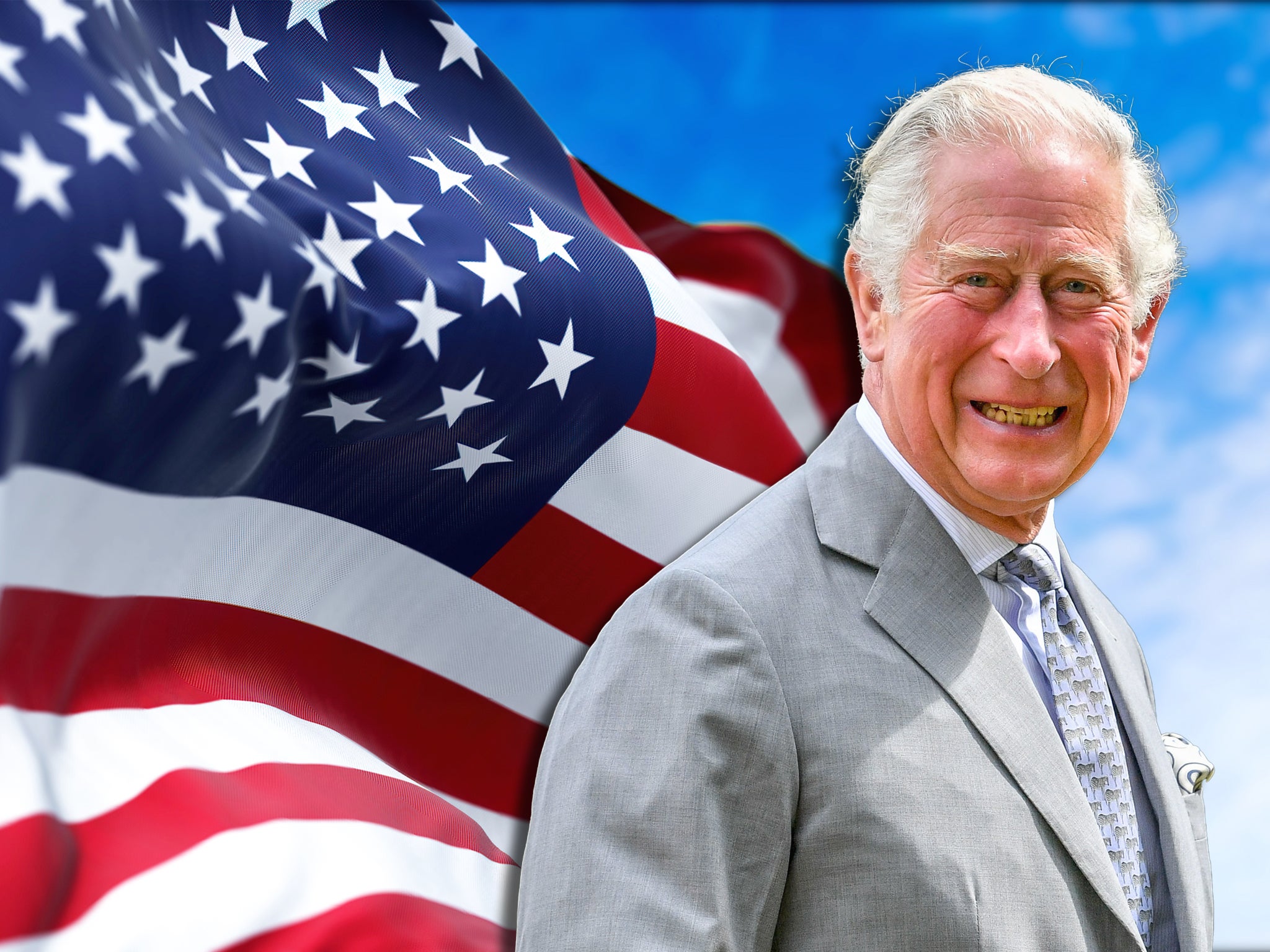
The upcoming visit of King Charles III to Washington D.C. carries significant weight amid escalating tensions between the United Kingdom and the United States. Once hailed as a cornerstone of global diplomacy, the so-called “special relationship” between these two long-standing allies now faces fresh challenges that threaten its stability.
What’s Behind the Rising Tensions?
Despite the King’s anticipated diplomatic engagement, the atmosphere between the UK and the US has grown frosty. The strain intensified recently when former President Donald Trump publicly criticized the UK’s energy strategy on social media. In a blunt message, Trump advised the UK to “go get your own oil” from Iran, a remark that not only undermined British foreign policy but also highlighted ongoing friction over international energy security and geopolitical alignments.
Trump’s comment came amid a broader backdrop of strained transatlantic relations, where disagreements on trade, defense, and diplomacy have surfaced in recent years. While the UK has sought to strengthen ties with the US post-Brexit, such public rebukes from a former US president complicate efforts to present a unified front on the global stage.
King Charles’s Role in Mending the Relationship
King Charles III’s first official state visit to the United States as monarch symbolizes more than ceremonial tradition; it is a crucial opportunity to reaffirm the historic alliance. Known for his diplomatic finesse and advocacy on global issues such as climate change, the King can leverage his personal influence to soothe diplomatic tensions.
Historically, British monarchs have played a subtle yet pivotal role in maintaining goodwill between nations. Charles’s visit is expected to emphasize shared values and cooperation, focusing on common goals like security, trade partnerships, and climate action. His presence could help reset the tone and open channels of dialogue that have been overshadowed by political discord.
However, the King’s diplomatic mission faces obstacles. The recent public spats and divergent policy approaches require more than symbolic gestures; they demand tangible steps toward mutual understanding and respect. How effectively King Charles can navigate these complexities will shape the future trajectory of the UK-US alliance.
Trump’s Expanding Personal Brand: A New Diplomatic Challenge?
Complicating the backdrop of UK-US relations is Donald Trump’s ongoing effort to cement his legacy through extensive personal branding. From airports bearing his name to plans for a grand presidential library topped with a golden statue, Trump’s ambition to leave an indelible mark on American infrastructure raises questions about the intersection of politics and personal image.
While this branding frenzy might seem unrelated to international diplomacy, it reflects a broader trend of political figures blurring lines between public service and personal enterprise. Such dynamics can influence how foreign leaders perceive and interact with American political personalities—particularly those like Trump, who continue to wield significant influence.
Why This Matters
The UK-US special relationship has underpinned much of the 20th and 21st centuries’ geopolitical stability. Its strength affects global security alliances such as NATO, economic trade agreements, and coordinated responses to crises ranging from pandemics to climate change.
Any deterioration in this alliance risks creating a vacuum that rivals could exploit. Therefore, King Charles’s visit comes at a critical juncture, with the potential to either reinforce this historic bond or expose its vulnerabilities further.
Looking Ahead
As King Charles III embarks on his Washington visit, all eyes will be on how he manages the delicate balance of diplomacy amid a contentious political environment. His success in calming recent tensions could restore confidence in the special relationship, reaffirming the UK and US’s commitment to collaboration and shared values.
Conversely, failure to engage meaningfully may signal deeper rifts that require more comprehensive political solutions beyond royal diplomacy. What remains clear is that the evolving dynamics between these two nations will shape international relations for years to come.