

The political landscape in the UK is rapidly evolving, with populism gaining momentum and traditional parties facing unprecedented challenges. Amid this turbulent environment, the question arises: can the Liberal Democrats, often likened to a steady tortoise, outpace the swift and disruptive populist hare? Supporters of Sir Ed Davey firmly believe the answer is yes, championing a cautious yet strategic approach that emphasizes grassroots growth and targeted gains.
Lib Dem Strategy: Slow and Steady Progress
Under Sir Ed Davey’s leadership, the Liberal Democrats have doubled down on a bottom-up, grassroots strategy. This method involves consolidating their foothold in the so-called “blue wall”—a collection of former Conservative seats that shifted away from the Tories—and gradually extending their reach into urban areas traditionally dominated by Labour. Party insiders argue this approach prioritizes sustainable, incremental growth over flashy electoral gambits.
Since the 2024 general election, the Lib Dems have focused on carefully selecting winnable constituencies, turning a modest rise in vote share into a significant increase in seats—72 constituencies now under their control. This success underscores the party’s emphasis on disciplined campaigning and pragmatic seat targeting rather than chasing broad national popularity.
In regions like Surrey and Sussex, the party identifies its main competition not as the Tories but as Reform UK, a rising populist force. Similarly, in traditionally Labour-leaning areas such as Hull, Nigel Farage’s party is supplanting both major parties. Meanwhile, the Green Party focuses on different voter demographics, particularly in outer London, minimizing direct competition with the Lib Dems.
The Populist Challenge: A Call for Bolder Action
Despite the apparent success of this cautious strategy, a faction within the Lib Dems expresses concern that the party is missing a critical moment to seize political momentum. They argue that the UK is entering an era marked by political fragmentation and populism, and as a traditional refuge for disaffected voters, the Lib Dems should amplify their messaging, adopt a more assertive tone, and aggressively contest a broader range of constituencies.
Critics question why the party remains relatively silent on divisive issues dominating public discourse and why it does not engage more forcefully in the fierce “air war” on social and broadcast media. They point to the Greens’ successes in capturing Labour strongholds in London and wonder why the Lib Dems have not adopted a similarly bold posture.

This debate is deeply influenced by the lingering memory of the 2019 general election, when then-leader Jo Swinson ran a nationwide campaign with ambitious promises, including canceling Brexit. Despite increased vote share, the party suffered losses in parliamentary seats, a cautionary tale that continues to shape current strategy.
Why the Tortoise Might Still Win
Senior Lib Dem figures emphasize that their current path reflects lessons learned from past setbacks. The party aims to avoid overreach and instead build on proven strengths. The focus remains on expanding their presence in select areas where small shifts in voter allegiance can lead to decisive seat gains.
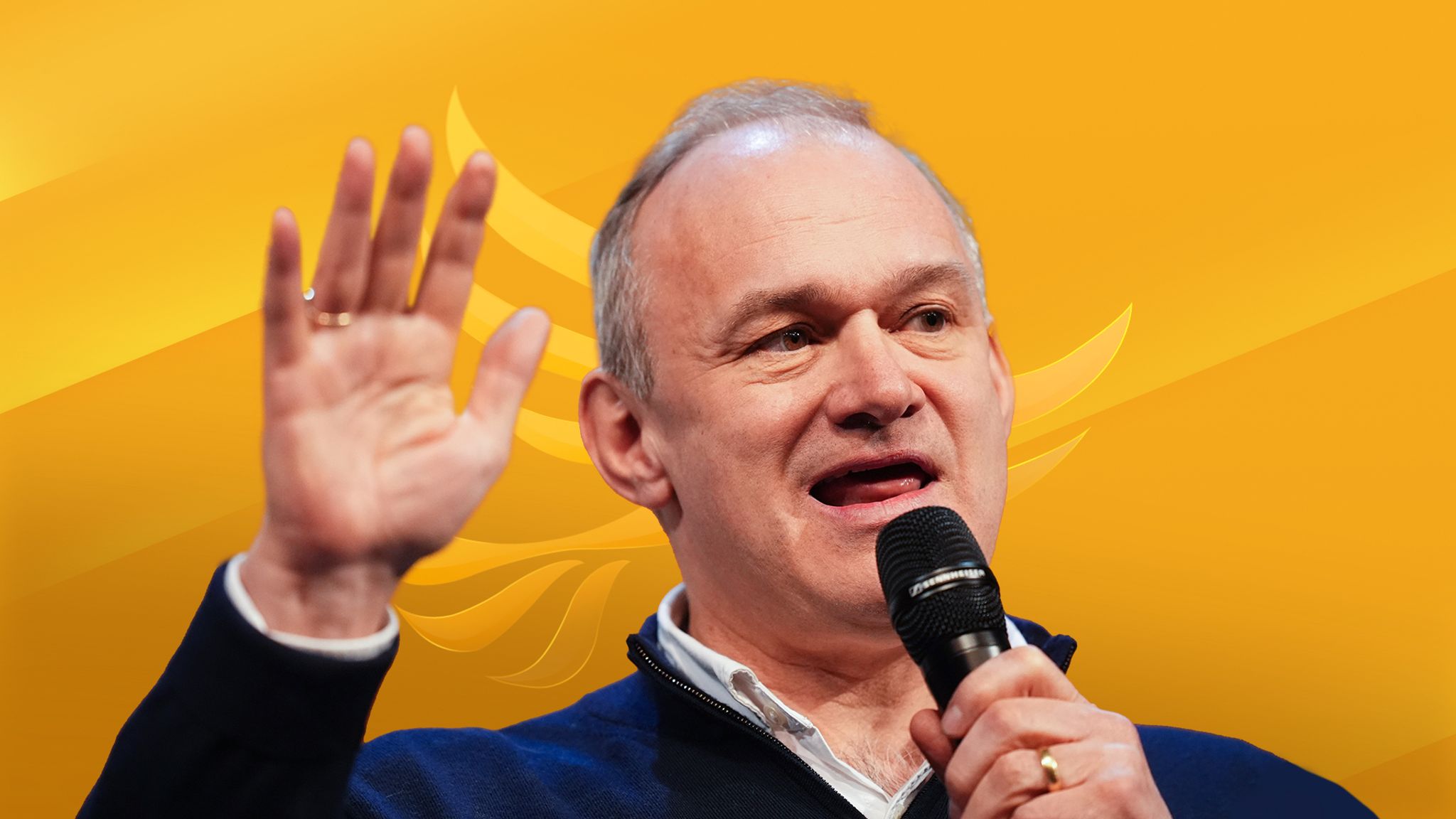
Additionally, the Lib Dems have evolved from their former anti-establishment image. Their participation in the coalition government over a decade ago marked a turning point, aligning them more with centrist, moderate politics. Sir Ed Davey embodies this approach—eschewing the combative style of populist leaders like Zack Polanski or Nigel Farage, instead presenting himself as a calm, centrist pragmatist.

Party insiders often describe Davey as a “centrist dad,” a term used to characterize middle-aged men favoring measured, gradual change rather than radical upheaval. This identity aligns closely with the Lib Dems’ current image but also draws criticism from political radicals who argue that such centrism risks disconnecting the party from a rapidly shifting political reality.
What This Means for UK Politics
The tension between the steady tortoise and the fiery populist hare reflects a broader debate about the future of British politics. The Lib Dems’ cautious, disciplined strategy seeks to capitalize on electoral arithmetic and voter dissatisfaction within the major parties. However, the risk remains that by avoiding the more confrontational tactics of populists, the party might fail to capture the imagination of an electorate increasingly drawn to bold narratives and dramatic change.
If the Lib Dems are to break through in the coming years, they may need to balance their methodical approach with a sharper, more resonant political message. This could necessitate changes in leadership or strategy, especially as the political landscape continues to fragment.
For now, Sir Ed Davey and the Liberal Democrats are betting on steady progress, hoping that persistence and targeted growth will eventually propel them from a minor party to a significant force in UK politics by 2029.

In conclusion, the race between the Lib Dem tortoise and the populist hare is far from over. The outcome will shape not only the party’s future but also the broader dynamics of British democracy in an era of increasing political volatility.