The vibrant tapestry of Britain and Ireland’s wildflowers is set to take center stage once again as the Eden Project’s National Wildflower Centre prepares to launch its Wildflower Photographer of the Year 2026 competition on 29 May. This prestigious contest offers a captivating glimpse into the diversity and beauty of over 1,600 native wildflower species that flourish across these islands.
Showcasing the Natural Splendor of Wildflowers
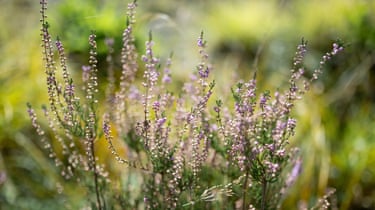
The wildflowers of Britain and Ireland form a vital part of the region’s natural heritage. From humble dandelions to the striking purple heather, these plants play crucial roles in ecosystems, supporting pollinators, stabilizing soil, and contributing to biodiversity. The National Wildflower Centre’s competition celebrates this rich diversity by inviting photographers to capture these botanical jewels in their most stunning forms.
Last year’s competition produced an extraordinary collection of photographs, highlighting the intricate details and vivid colors of wildflowers in their native habitats. A selection of these stunning images will be exhibited at Eden Dock, Canary Wharf, London, during the Commonwealth Games’ Nature Week from 13 July, offering the public a unique opportunity to appreciate the artistry and ecological importance of wildflowers.
Highlights from Previous Winners and Entries
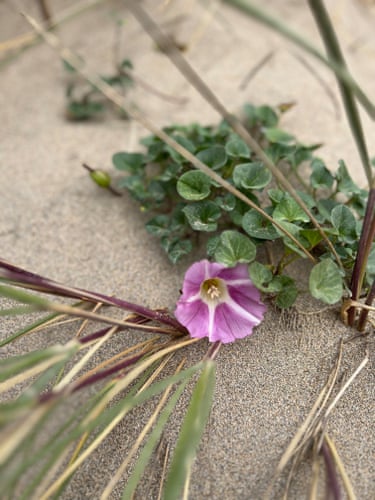
Among the remarkable images from the previous competition, some stand out for their composition and storytelling:
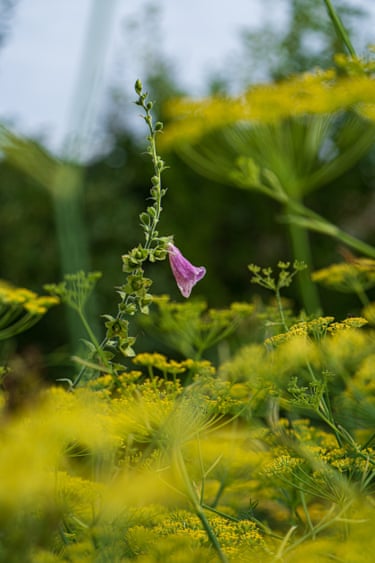
- Foxglove (Digitalis purpurea) captured by Reece Gibbins in East Lothian presents the native flower amidst non-native fennel. Known for its medicinal properties in treating heart failure, the foxglove’s name intriguingly derives from “folk’s glove,” a nod to fairy folklore rather than foxes themselves.
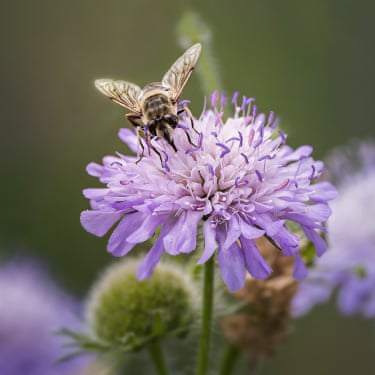
- Michelle Jackson’s photo of the Field scabious (Knautia arvensis) in Yorkshire Dales showcases a delicate hoverfly pollinating the blossom, emphasizing the interdependence between wildflowers and insects.
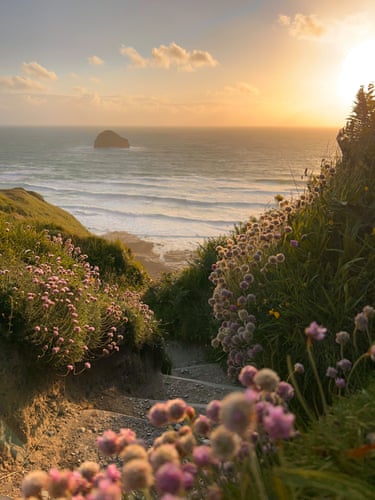
- Emma Eccles’ backlit Sea thrift (Armeria maritima) frames the South West Coast Path in Cornwall with pink pom-pom blooms that thrive in salt and drought conditions, revealing the resilience of coastal flora.
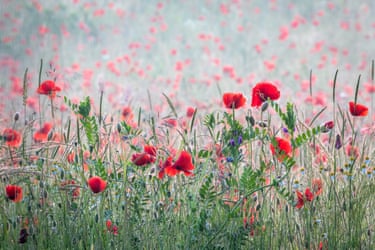
- Damien Walmsley’s dawn-lit Common poppies (Papaver rhoeas) in Staffordshire capture a magical moment, highlighting how lighting can transform common wildflowers into ethereal scenes.
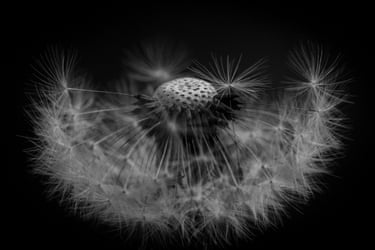
- Emma Kenworthy’s intimate shot of a Common dandelion (Taraxacum officinale) in Gloucestershire reminds viewers of this often-overlooked plant’s vital role in supporting bees and soil health.
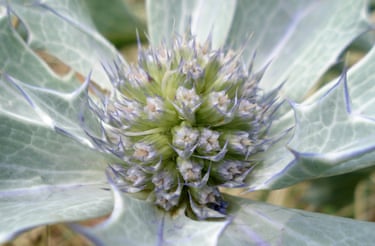
- Martin Sheard’s image of the Sea-holly (Eryngium maritimum) in Cornwall reveals a hardy plant that stabilizes coastal habitats against harsh winds and shifting sands.
Why Wildflowers Matter: Ecological and Cultural Significance
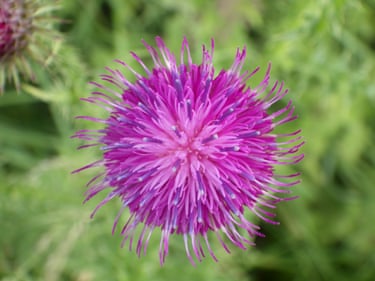
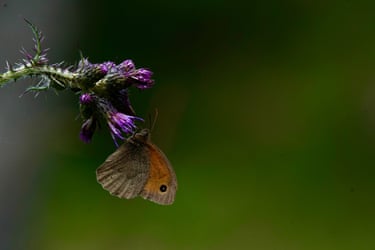
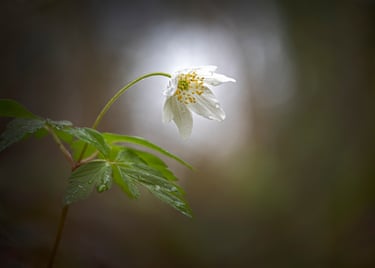
Wildflowers provide more than just visual pleasure. They are the foundation of many ecosystems, supporting pollinators such as bees, butterflies, and hoverflies, which in turn sustain food webs. Species like the Marsh thistle (Cirsium palustre) and Wood anemone (Anemone nemorosa) not only offer nectar but also provide shelter and breeding grounds for insects and birds.
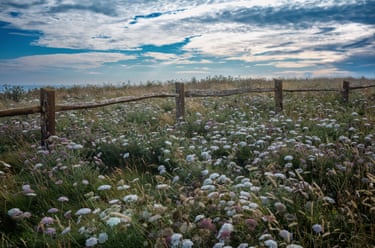
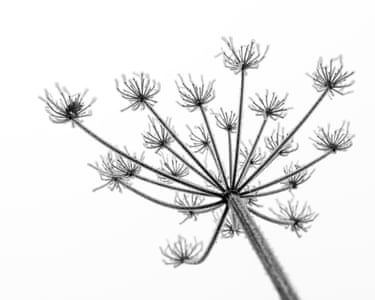
Moreover, wildflowers contribute to soil health and combat erosion, particularly in fragile coastal and upland habitats. Coastal species like Wild carrot (Daucus carota) and Wild angelica (Angelica sylvestris) form biodiversity hotspots that can contain dozens of species, helping to preserve these delicate environments against the impacts of climate change and human activity.
Culturally, wildflowers have inspired folklore, medicine, and art throughout centuries. The foxglove’s link to fairy tales and the dandelion’s role in childhood wishes are just two examples of how these plants weave into the fabric of local traditions.
What’s Next: The 2026 Wildflower Photographer of the Year Competition
The upcoming competition opens an exciting chapter for photographers and nature enthusiasts alike. By capturing the essence of wildflowers during different seasons and habitats, entrants contribute not only to art but also to raising awareness about the importance of conserving native flora.
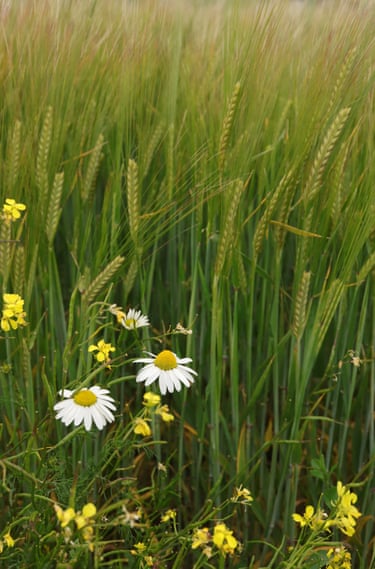
Participants range from professional photographers to young people, with categories designed to encourage diverse perspectives and creative approaches. The competition fosters a deeper connection between people and the natural world, inspiring conservation efforts and celebrating the unique beauty found in every petal and leaf.
As the exhibition at Eden Dock coincides with the Commonwealth Games’ Nature Week, it offers a high-profile platform to engage a broad audience in appreciating wildflowers’ ecological and aesthetic value.
Looking Ahead: The Future of Wildflower Conservation
With increasing threats from habitat loss, climate change, and invasive species, the conservation of wildflowers has never been more critical. Competitions like the Wildflower Photographer of the Year play a vital role in highlighting these issues through compelling imagery that captures public imagination.
By documenting wildflowers in their natural settings, photographers help create a visual record that supports scientific research and environmental advocacy. This fusion of art and ecology inspires policymakers, land managers, and communities to protect these irreplaceable natural treasures.
In celebrating the splendor of Britain and Ireland’s wildflowers, the Eden Project’s initiative serves as a beacon for biodiversity conservation and a call to cherish the delicate plants that enrich our landscapes and lives.
Mark your calendars for 29 May to enter the 2026 competition and look forward to experiencing last year’s breathtaking images at Eden Dock this July. The wildflowers are waiting to tell their stories—through your lens.