

The football world was shaken when Millwall Football Club discovered their iconic blue lion badge had been misused in a children’s educational booklet on racism. The emblem appeared on the clothing of a figure depicted in Ku Klux Klan-style white robes, sparking immediate outrage and prompting an official apology from Westminster City Council.
What Happened: The Controversial Booklet and Its Impact
Westminster City Council had distributed a booklet aimed at educating schoolchildren about the historic problem of racism within football. However, the inclusion of Millwall’s badge on a KKK-like character was widely condemned as inappropriate and offensive. The council swiftly acknowledged the mistake, apologizing to Millwall for the “improper use of their logo and for any offence caused”.
The booklet has since been withdrawn from circulation as the council undertakes a thorough review of its editorial and distribution processes to prevent such incidents in the future. A spokesperson for Westminster City Council admitted, “We accept the use of this image was an insensitive way to illustrate the historic problem of racism within football.”
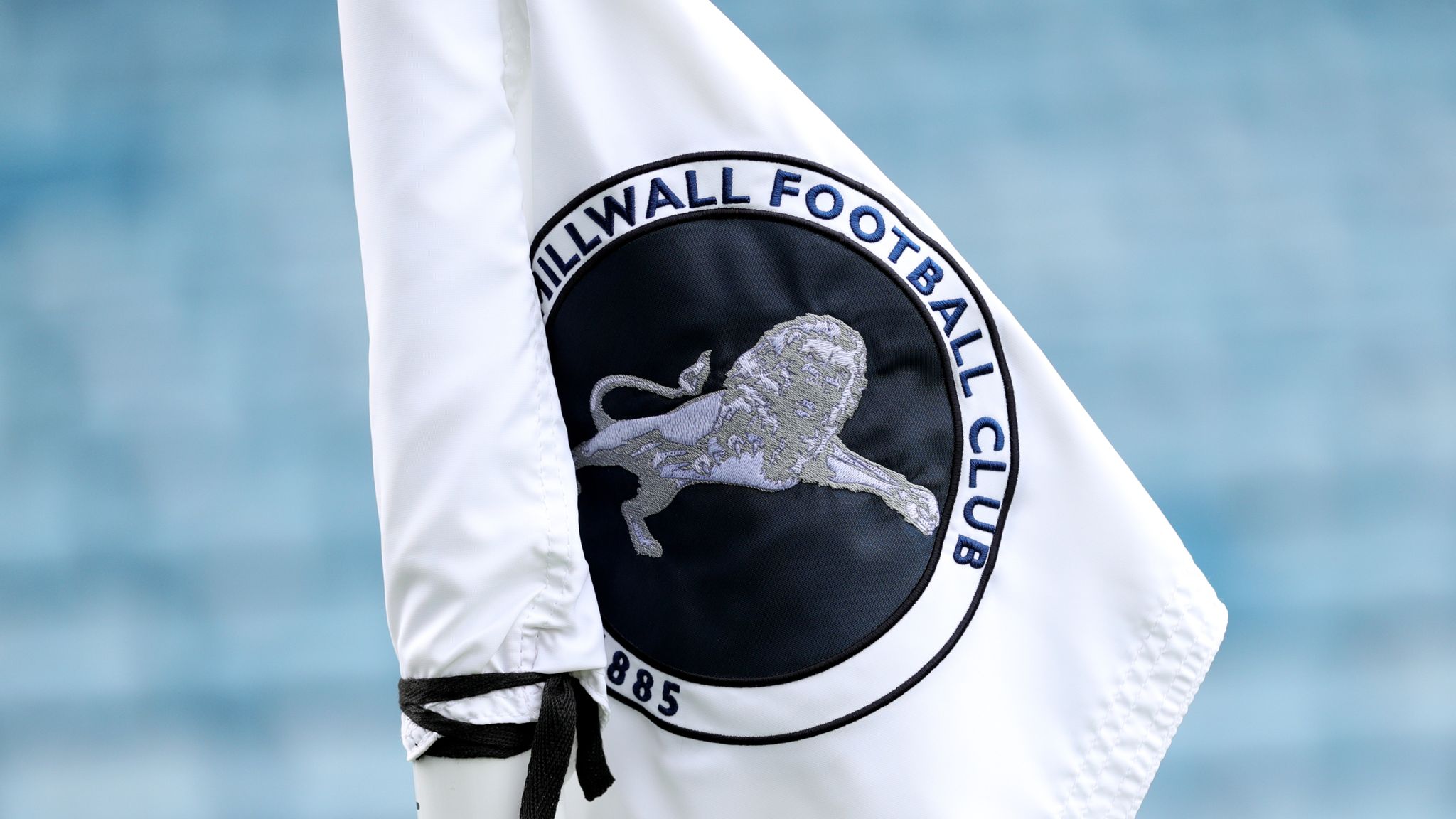
Millwall’s official supporters’ club took to X (formerly Twitter) to express the club’s dismay, emphasizing that the image falsely and unfairly represented the club. “The picture had created a false and damaging image of the club,” the club stated. They also revealed they were “still considering their legal position on the matter” and refrained from further comments for the time being.
The Broader Context: Racism in Football and Paul Canoville’s Story
The controversial image was positioned directly opposite a photograph of Paul Canoville, Chelsea’s first black player, in the booklet. Canoville’s photo included a speech bubble where he recounted his personal experiences with racism: “Racism never went away. I was badly abused in a reserve match at Millwall but then I could show the racists my 1984 2nd Division Champions medal!”
Paul Canoville’s experience is a stark reminder of the racism that has historically permeated football culture. The Paul Canoville Foundation confirmed that during a reserves match against Millwall in the 1980s, Canoville endured severe racial abuse from individuals wearing KKK-style white hoods. Despite his involvement in educating students about racism, the foundation clarified that Canoville was not consulted about the booklet’s content.
“The booklet was not produced by, commissioned by, or approved by The Paul Canoville Foundation or our founder, Paul Canoville,” the foundation stressed in a statement. This lack of consultation highlights the pitfalls in the booklet’s development, raising questions about the oversight mechanisms in the council’s educational materials.
Why It Matters: The Intersection of Education, Racism, and Football Culture
This incident underscores the delicate balance needed when educating young audiences about sensitive topics like racism in sports. While the intention—to confront and illuminate historical racism in football—is commendable, the execution in this case was deeply flawed. Misrepresenting a club by associating its badge with hate symbols risks alienating fans and distorting the truth.
Millwall Football Club, often unfairly stereotyped in discussions about fan behavior, has faced complex challenges regarding racism allegations over the years. The misuse of their badge in such a negative context could reinforce harmful misconceptions rather than foster constructive dialogue.
For Westminster City Council, this controversy serves as a critical lesson in the importance of vetting educational content, especially when it touches on charged historical issues. It also demonstrates the need for collaboration with all stakeholders, including the individuals and organizations directly involved or mentioned, to ensure accuracy and sensitivity.
What Comes Next: Accountability and Education Moving Forward
Millwall’s response indicates they are taking the matter seriously, with potential legal ramifications still being considered. Meanwhile, Westminster City Council has committed to overhauling its review procedures to avoid repeating such errors. This commitment is essential not only for restoring trust but also for maintaining the integrity of educational programs aimed at tackling racism.
As football continues to grapple with its history and present challenges related to racism, incidents like this highlight the complexity of addressing such issues responsibly. Properly managed education can serve as a powerful tool in dismantling prejudice, but it requires careful planning, respect, and dialogue.
Takeaway: The misuse of Millwall’s badge in a children’s racism booklet reveals the pitfalls of insensitive educational approaches. This episode reinforces the urgent need for responsible content creation, thorough consultation with affected parties, and a nuanced understanding of football’s racial history. Only through such measures can educational efforts truly contribute to combating racism within the sport and beyond.