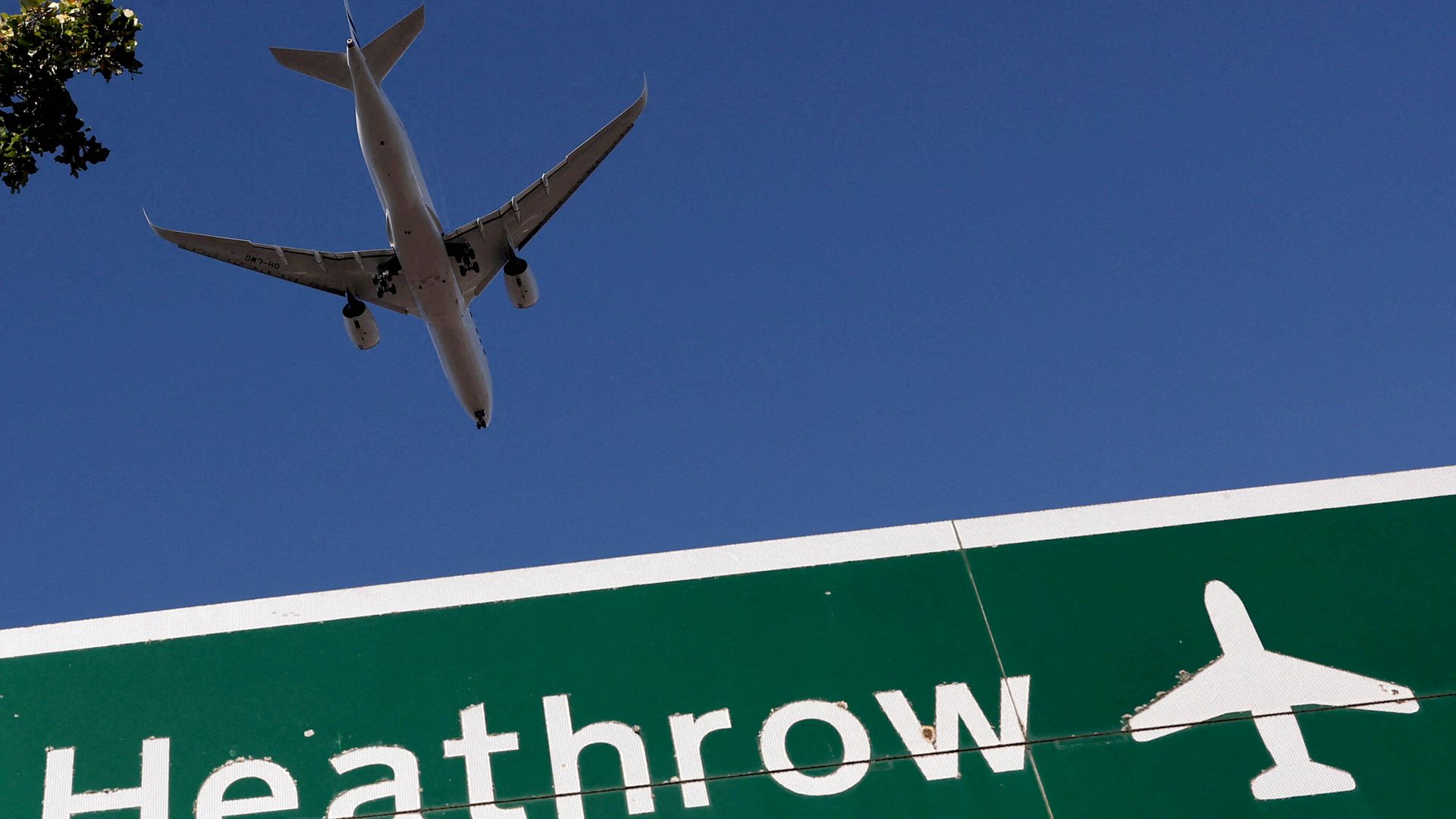
Chancellor John Healey has publicly backed the controversial plan to expand Heathrow Airport, positioning himself in direct contrast to Prime Minister Andy Burnham, who recently declined to support the construction of a third runway. This move reignites the debate over the future of the UK’s busiest airport and its role in national economic development.
Heathrow Expansion: A Catalyst for Economic Growth
Heathrow Airport currently stands as a critical hub for international travel and commerce, handling millions of passengers annually. The proposal to add a third runway has long been debated, with proponents arguing it will unlock significant economic benefits by increasing airport capacity. Chancellor Healey’s endorsement underscores the government’s commitment to infrastructure investment as a lever for boosting growth.
By expanding Heathrow, the UK aims to strengthen its global connectivity, attracting more airlines, passengers, and cargo traffic. This expansion is expected to generate thousands of new jobs during construction and operation phases, revitalizing industries linked to aviation, tourism, and trade. More importantly, it could help secure the UK’s competitive edge in a post-Brexit economy where international ties are paramount.
Political Divide: Healey vs. Burnham
While Chancellor Healey champions the Heathrow expansion, Prime Minister Andy Burnham has taken a cautious stance, explicitly refusing to endorse the third runway plans. Burnham’s opposition reflects broader concerns about environmental impact, noise pollution, and local community disruption. The divide between the two leaders highlights the complex balancing act between economic ambitions and sustainability goals.
This political split raises questions about the government’s unified vision for transport infrastructure. Healey’s support suggests that economic priorities may override environmental and social apprehensions, at least in the short term. Meanwhile, Burnham’s position resonates with environmental advocates and residents affected by airport expansion, emphasizing the need for comprehensive impact assessments and mitigation strategies.
Why Heathrow Expansion Matters for the UK
The dispute over Heathrow’s future is more than a local issue; it represents a national crossroads in Britain’s development strategy. Airports are gateways to global markets, and Heathrow’s ability to expand directly influences the UK’s connectivity and attractiveness to international investors.
Increased capacity at Heathrow would also ease congestion at other airports and reduce delays, improving the overall efficiency of the country’s air transport network. For businesses reliant on swift international travel and freight, this could translate into lower costs and faster delivery times.
However, the expansion comes with challenges. Environmentalists warn about the impact on carbon emissions and air quality, pressing the government to implement sustainable aviation initiatives alongside infrastructural growth. Communities near the airport seek assurances on noise reduction and compensation.
Balancing these competing interests will require careful policymaking, transparent dialogue, and innovative solutions to ensure that economic benefits do not come at the expense of environmental health and local quality of life.
Looking Ahead: What Comes Next?
As Chancellor Healey pushes forward with Heathrow expansion plans, the government faces pivotal decisions. Progress hinges on navigating political disagreements, addressing environmental concerns, and securing public support. The next steps likely involve detailed planning processes, including environmental impact assessments and consultations with affected communities.
The outcome will shape not only the future of Heathrow but also the broader trajectory of UK infrastructure development. Successful expansion could reinforce Britain’s status as a global aviation leader, while failure to resolve tensions might delay or derail the project, with long-term economic consequences.
In summary, Chancellor Healey’s backing of Heathrow’s third runway signals a strategic emphasis on growth and international competitiveness. Yet, the contrasting views within the government and among stakeholders highlight the complexity of balancing economic progress with environmental and social responsibility. The coming months will be crucial in determining how the UK navigates these intersecting priorities to secure a prosperous and sustainable future for its aviation sector.