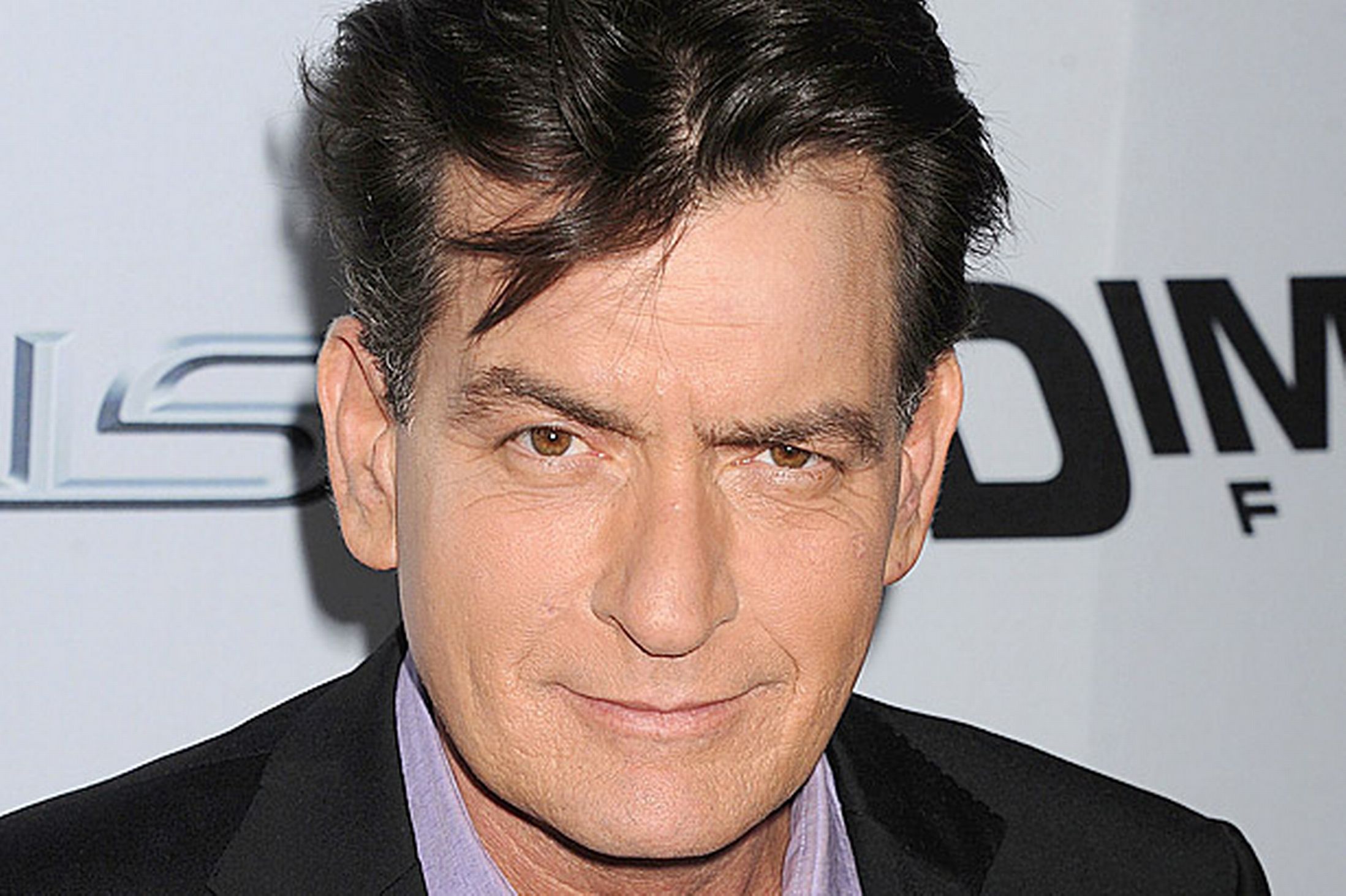
Charlie Sheen has publicly disclosed that he is HIV positive, revealing a deeply personal and transformative chapter in his life. The 50-year-old actor described the diagnosis as a “hard three letters to absorb” and acknowledged it as a significant turning point. His candid admission comes after years of private struggle, legal battles, and attempts to keep the truth under wraps.
The Revelation and Its Context
Sheen explained that his decision to go public was motivated by a desire to end ongoing smear campaigns and extortion attempts. “I have to put a stop to this onslaught, this barrage of attacks and of sub-truths and very harmful and mercurial stories that are about me, threatening the health of so many others that couldn’t be further from the truth,” he stated.
Over the years, Sheen confided in individuals he believed were trustworthy, only to face betrayal that cost him financially and emotionally. He revealed that he has paid upwards of $10 million to keep his diagnosis hidden, money he lamented was taken from his children. “I trusted them and they were deep in my inner circle, and I thought they could be helpful. My trust turned to their treason,” Sheen said, underscoring the personal toll of his secrecy.
By sharing his story on a national platform like the TODAY show, Sheen aims to halt these costly payouts and reclaim control over his narrative. “That’s my goal. That’s not my only goal. I think I release myself from this prison today,” he reflected.
Understanding the Diagnosis and Its Impact
Sheen revealed that he was diagnosed approximately four years ago after experiencing what he initially believed were severe, unexplained headaches. “I thought I had a brain tumor. I thought it was over,” he recalled, highlighting the shock and fear that accompanied his diagnosis.
He emphasized that he does not know how he contracted HIV and denied engaging in behaviors commonly associated with high transmission risk, such as intravenous drug use. “You’re talking about needles and that whole mess? No, definitely not,” he asserted.
While acknowledging that he has had unprotected sex with two partners since his diagnosis, Sheen stressed that both individuals were fully informed beforehand and have been under medical supervision. He strongly rejected allegations that he knowingly transmitted the virus to others.
HIV, the virus responsible for AIDS, remains without a cure, but medical advancements have transformed it from a fatal disease into a manageable chronic condition. Sheen’s physician, Dr. Robert Huizenga, an associate professor of clinical medicine at UCLA, clarified that while Sheen is HIV positive, he has not developed AIDS.
Sheen manages his condition with a daily regimen of four antiviral pills. Dr. Huizenga noted that the greatest ongoing challenge lies not in the virus itself, but in preventing relapse into substance abuse or succumbing to depression related to the diagnosis. “We’re petrified about Charlie. We’re so, so anxious that if he was overly depressed, if he was abusing substance, he would forget these pills and that’s been an incredible worry,” the doctor explained. Despite these concerns, Sheen has maintained strict adherence to his treatment.
Personal Reflections and Future Outlook
Sheen expressed hope that his openness will help reduce the stigma surrounding HIV. “I have a responsibility now to better myself and to help a lot of other people and hopefully with what we’re doing today others will come forward and say, ‘Thanks, Charlie,'” he said.
He shared that upon learning of his status, he informed his ex-wives, Denise Richards and Brooke Mueller, as well as his eldest daughter. The news was difficult for his daughter, but Sheen described her as resilient: “It hit her hard, but she recovered. She’s tough like her dad.”
Reflecting on his tumultuous past, which includes public battles with drug addiction and erratic behavior, Sheen acknowledged that his previous struggles were not directly linked to his HIV diagnosis. “I wish I could blame it on that,” he said about his infamous 2011 meltdown during his feud with the creator of “Two and a Half Men.” “That was more of a (ste)roid rage. This was on the heels of that.”
Despite the challenges, Sheen is entering a phase of introspection and philanthropy. He admitted that the financial strain from legal settlements and hush money has been significant but remains optimistic about his future. “It’s not great. It will be great again. I’m a survivor. I’ve been up, I’ve been down, I’ve been rich, I’ve been poor,” he reflected. “It’s another chapter in my life but it’s not commerce driven. It’s socially driven.”
Sheen also addressed concerns about how his status might affect his career. He revealed ongoing discussions with the chairman of Sony regarding new projects and expressed confidence, saying, “Thus far, there’s been no resistance.”
Regarding media coverage, Sheen anticipated that his interview would counteract damaging rumors, particularly those falsely accusing him of intentionally infecting others. “I just thought, ‘Wow. Damn. That’s just as far from the truth as anything could be.’ They’re going to reveal a whole lot of proof because it’s just not there. It does not exist,” he stated.
Encouraged by the supportive response on social media, Sheen expressed a determination to use his experience to inspire others. “If there was one guy on this planet to contract this that’s going to deliver a cure, it’s me. It’s me. Seriously,” he said. While he declined to become the “poster man” for HIV, he committed to embracing responsibilities and opportunities that allow him to help others.
Why This Matters
Charlie Sheen’s public revelation about his HIV status shines a light on the evolving realities of living with the virus today. Once regarded as a certain death sentence, HIV now represents a chronic condition that can be managed with consistent treatment. Sheen’s story underscores the hidden struggles many face, including stigma, betrayal, and the emotional burden of secrecy.
His openness challenges misconceptions and encourages conversations about responsibility, health, and compassion. By stepping forward, Sheen not only reclaims his narrative but also provides a platform to educate and inspire others who might be grappling with similar diagnoses.
Moreover, his experience highlights the importance of mental health support and substance abuse prevention in managing chronic illnesses. The intersection of physical health and psychological well-being is critical to successful treatment outcomes, as reflected in the concerns of his medical team.
As Sheen enters a new chapter focused on philanthropy and self-improvement, his announcement may serve as a catalyst for greater awareness and destigmatization of HIV. His willingness to confront his challenges publicly offers a powerful example of resilience and responsibility in the face of adversity.