

The United Kingdom is enduring an unprecedented summer as the Met Office confirms that 2024 has now recorded 25 days with temperatures soaring above 30°C. This milestone surpasses the long-standing heat record set in 1976, marking the third significant heatwave this year and signaling a shift in the country’s climate patterns.
Unrelenting Heatwaves Define the Summer of 2024
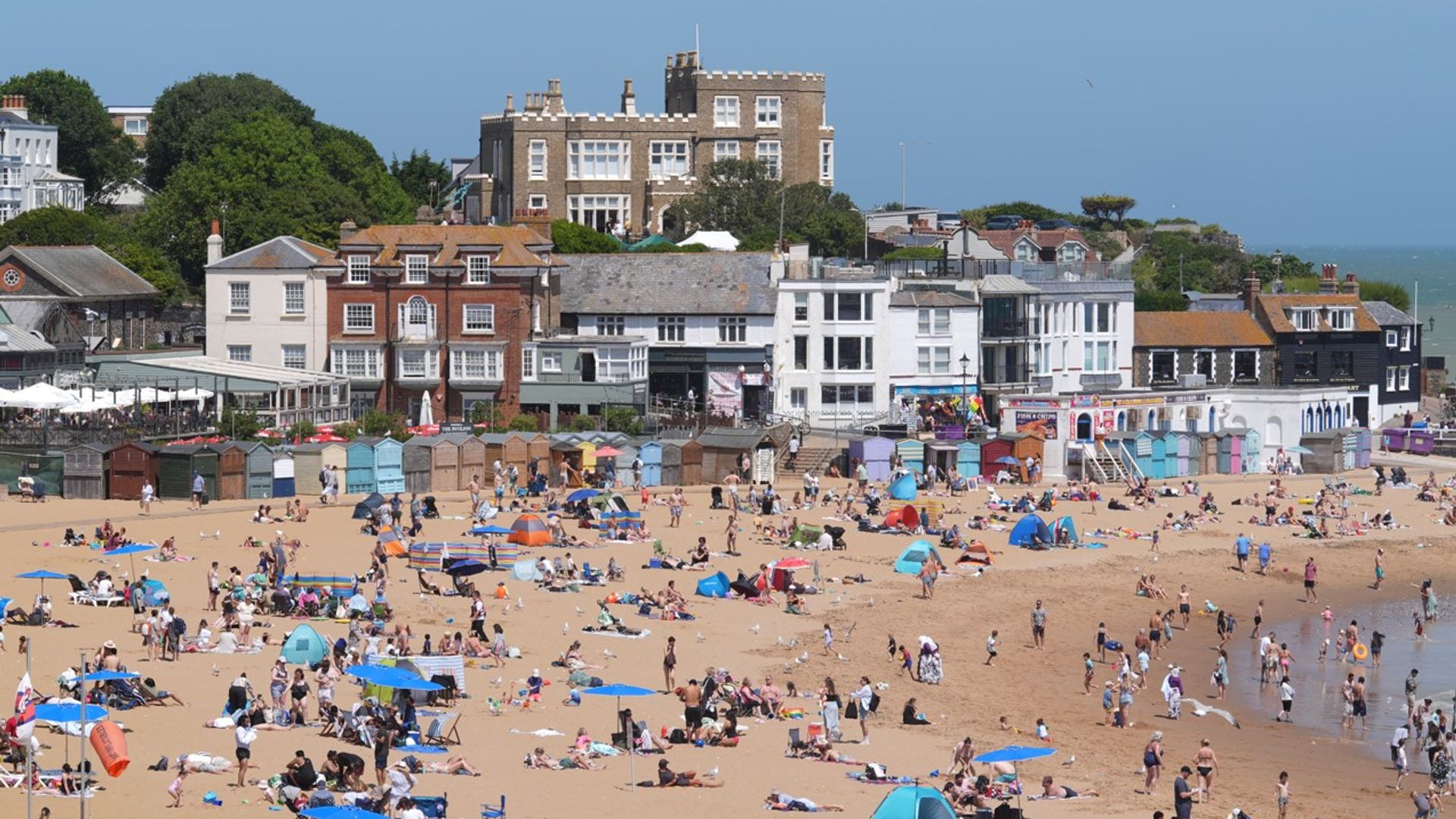
Throughout this summer, the UK has experienced a series of intense heatwaves, each pushing temperatures higher and challenging infrastructure, public health, and daily life. The Met Office highlights that the current streak of 25 days above 30°C not only breaks the record set nearly five decades ago but also underscores the increasing frequency and intensity of extreme heat events.
These prolonged periods of heat have strained water supplies, increased wildfire risks, and posed serious health risks, particularly for vulnerable populations such as the elderly and young children. Local authorities and emergency services have been on high alert, issuing heat warnings and advising residents to take precautions against heat exhaustion and dehydration.
Why This Record Matters: Climate Trends and Implications
Breaking the 1976 record is more than a symbolic milestone—it reflects broader changes in the UK’s climate. The summer of 1976 was notoriously hot and dry, remembered for drought conditions and widespread water restrictions. Surpassing this benchmark indicates that similar, if not more severe, climate-related challenges are becoming the new normal.
Experts emphasize that the increasing number of heatwave days aligns with global warming trends. Rising average temperatures contribute to longer and more intense heatwaves, which affect not only human health and agriculture but also ecosystems and biodiversity.
The economic impact is also significant. Prolonged heat can disrupt transportation, reduce productivity, and increase energy demand, especially as air conditioning use climbs. Healthcare systems face additional pressure due to heat-related illnesses, while farmers contend with drought-stressed crops and livestock.
What Comes Next: Preparing for a Warmer Future
As the UK continues to grapple with these extreme conditions, the focus shifts to preparedness and resilience. The government and local councils are expected to enhance heatwave response strategies, including expanding public cooling centers and improving water management policies. Urban planning may also evolve to incorporate more green spaces and heat-resistant infrastructure.
Public awareness campaigns play a crucial role in equipping individuals with knowledge on how to stay safe during extreme heat. Simple measures, such as staying hydrated, avoiding outdoor activities during peak temperatures, and checking on vulnerable neighbors, can mitigate health risks.
Moreover, this record-breaking heatwave adds urgency to climate action discussions. Reducing greenhouse gas emissions remains critical to slowing temperature increases and preventing even more severe weather extremes in the future.
Looking Ahead: What This Means for the UK
The 2024 heatwave’s shattering of the 1976 temperature record serves as a stark reminder that the UK’s climate landscape is transforming. With 25 days over 30°C already recorded, residents and policymakers alike must recognize that such conditions may become increasingly common.
Adapting to this new reality requires coordinated efforts across sectors—from government and healthcare to agriculture and urban development. Embracing sustainability and resilience strategies will be essential to safeguarding public health, the economy, and the environment as the UK faces hotter summers ahead.
Full details on ongoing weather forecasts and government responses continue to develop as the heatwave shows no sign of abating.