

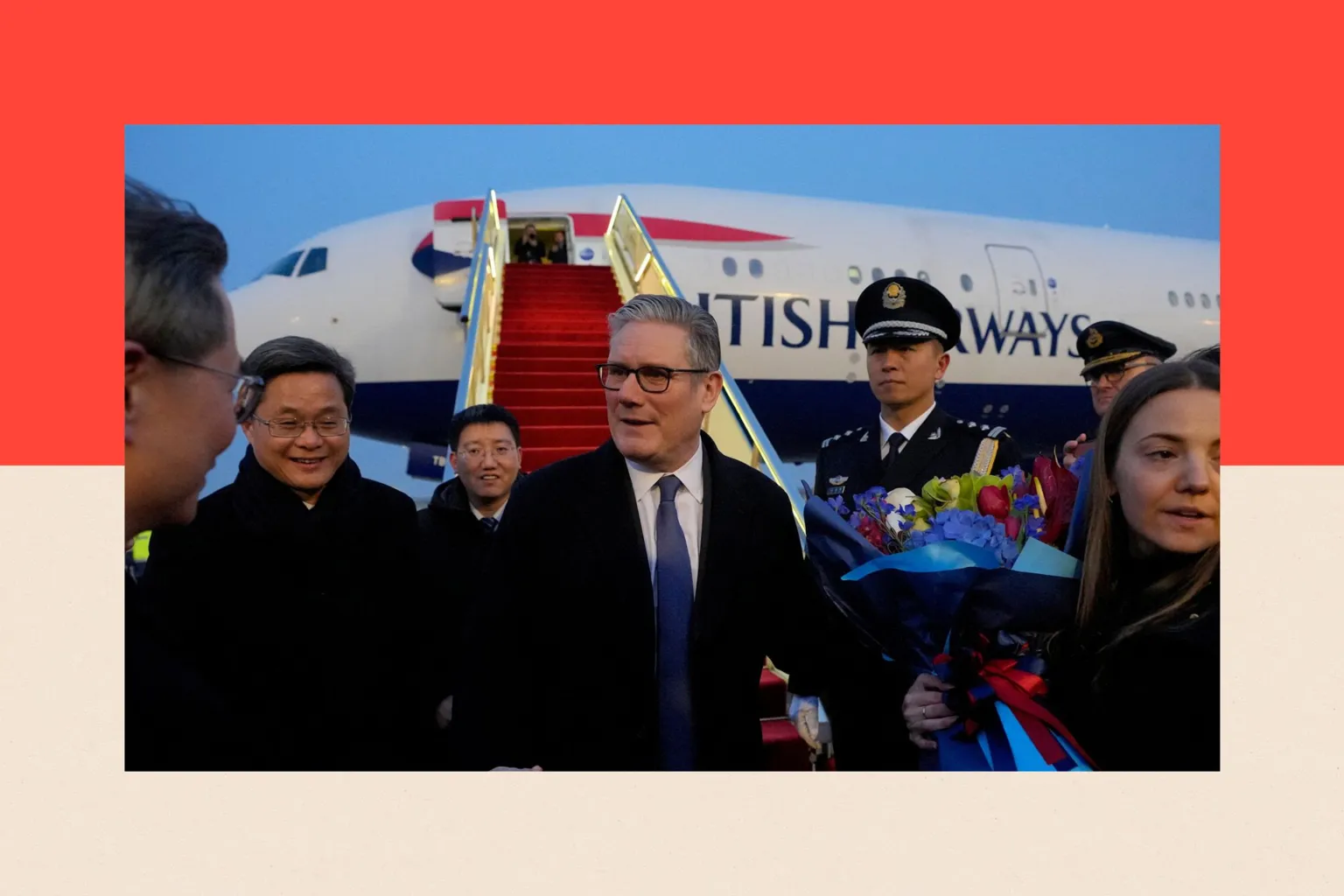
Beijing’s winter chill is notorious, with icy winds freezing lakes and rivers, deterring all but the most daring from braving the cold waters. Yet, despite the harsh weather, the Chinese capital has recently welcomed a wave of international leaders. In just the past two months, dignitaries from France, South Korea, Ireland, Canada, and Finland have visited, with Germany’s Chancellor scheduled to arrive soon. Now, the spotlight turns to Sir Keir Starmer, the first British prime minister to set foot in China in eight years, signaling a potentially pivotal moment in UK-China relations.
The Context Behind Starmer’s Visit
This visit comes at a delicate juncture. The UK recently approved plans for a vast new Chinese embassy in London—a move that had previously delayed the announcement of Starmer’s trip. Now, with diplomatic hurdles cleared, the two nations prepare to negotiate dozens of trade deals aimed at stimulating the UK economy.
Dr Yu Jie, a Senior Research Fellow at Chatham House, underscores the cautious optimism: “If the two sides could move ahead with a reasonable trading relationship, that is already an achievement.”
But beyond economics, Chinese officials view these high-profile visits as part of a broader geopolitical strategy designed to position Beijing as a stable, reliable partner in contrast to the unpredictability often associated with the US. The question remains: how far does China truly believe it can draw the UK closer amid this complex international landscape?

Carney’s Pathbreaking Role in China-UK Relations
China’s charm offensive gained traction earlier this month when Mark Carney, Canada’s prime minister, visited Beijing and announced a “new strategic partnership with China.” His visit marked a significant thaw after years of frosty relations between the two nations. Carney’s assertion that the global order is at a “point of rupture” resonated deeply, reflecting shifting alliances and the volatile nature of world politics.
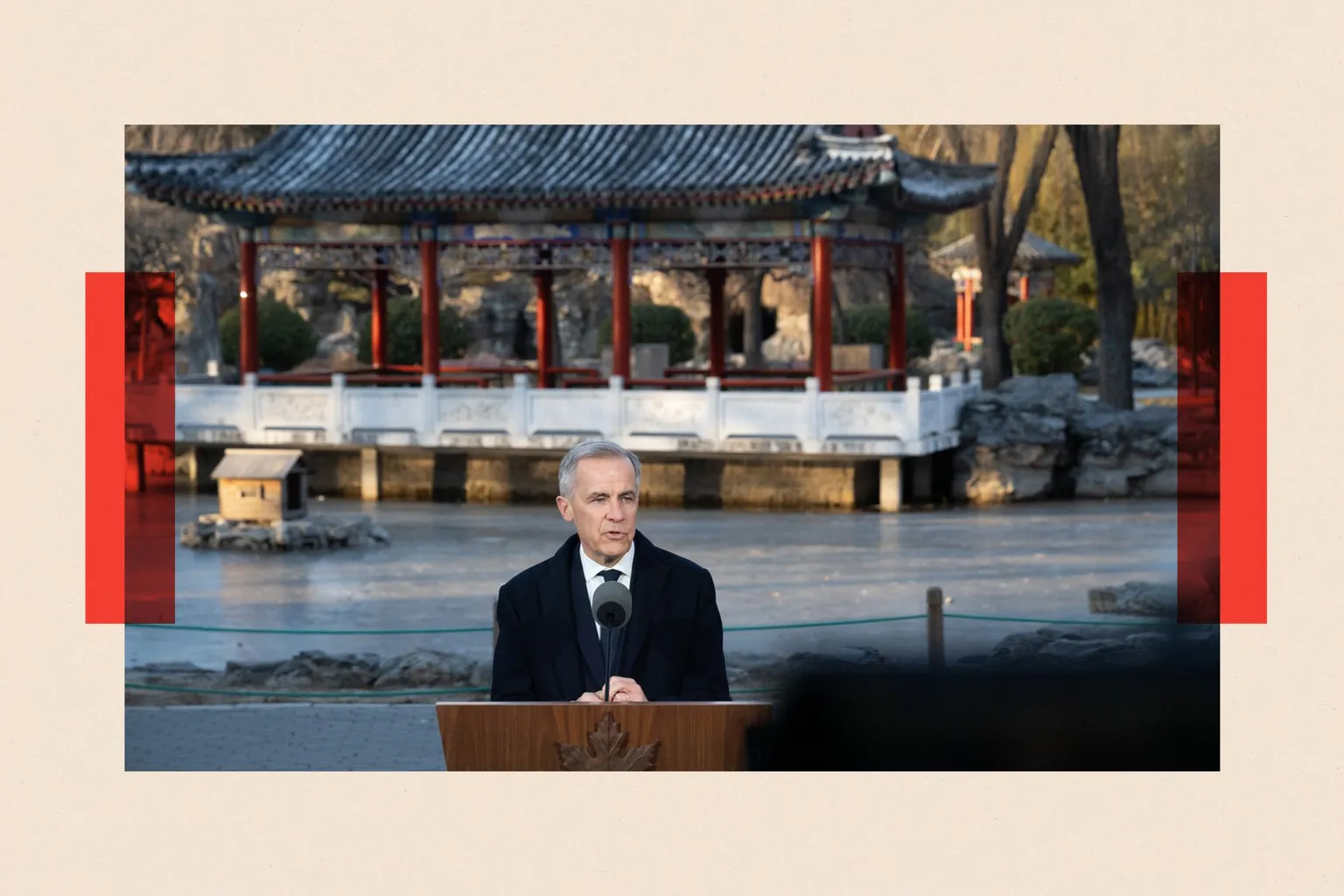
However, Carney’s move also highlighted the tightrope many countries must walk. US President Donald Trump warned of imposing a 100% tariff on Canada if it pursued trade agreements with China, illustrating the delicate balance smaller powers must maintain between the US and China.
Starmer’s Balancing Act
Aware of these geopolitical minefields, Starmer has explicitly stated that the UK will not be forced to choose sides between Washington and Beijing. According to Dr Yu Jie, “Beijing will be realistic rather than think they can pivot the UK away from the US.”
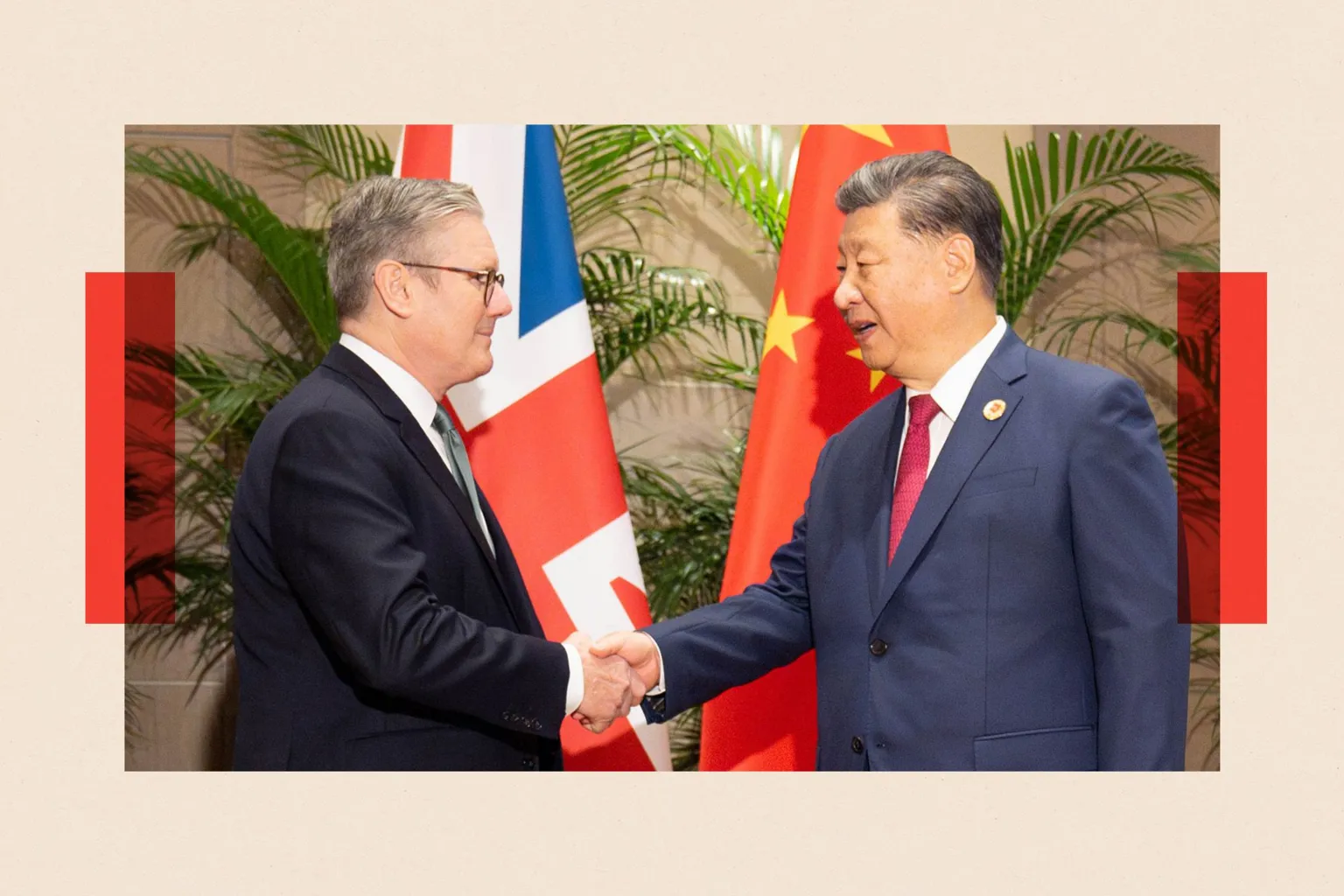
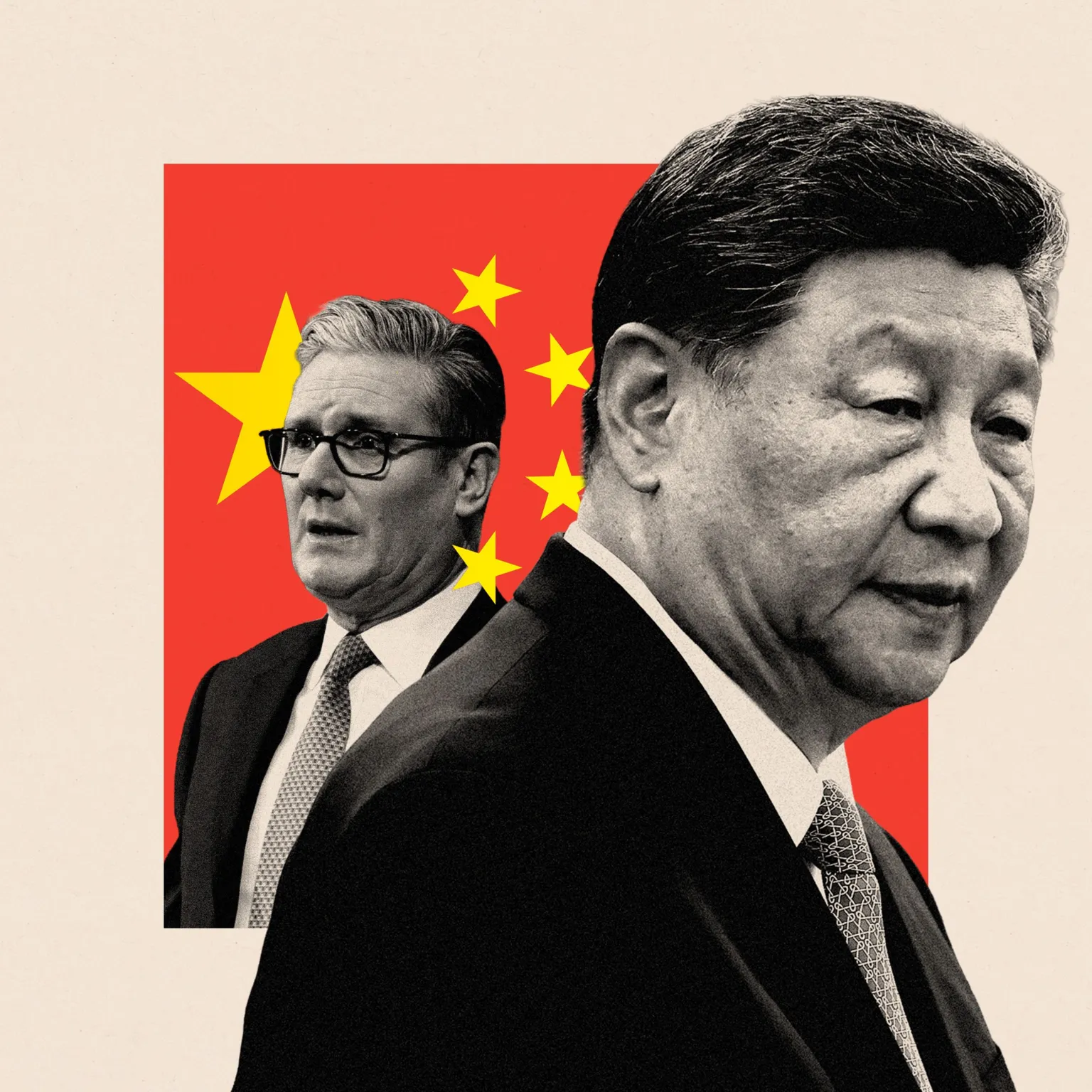
Once hailed as a “golden age” in UK-China relations, the partnership has cooled into what Starmer himself calls an “ice age.” Given the multifaceted challenges—from security concerns to intellectual property theft—a rapid revival of past warmth is unlikely. Instead, this visit is better seen as the first steps toward a slow, cautious diplomatic thaw.
The Legacy of the “Golden Era” and New Realities
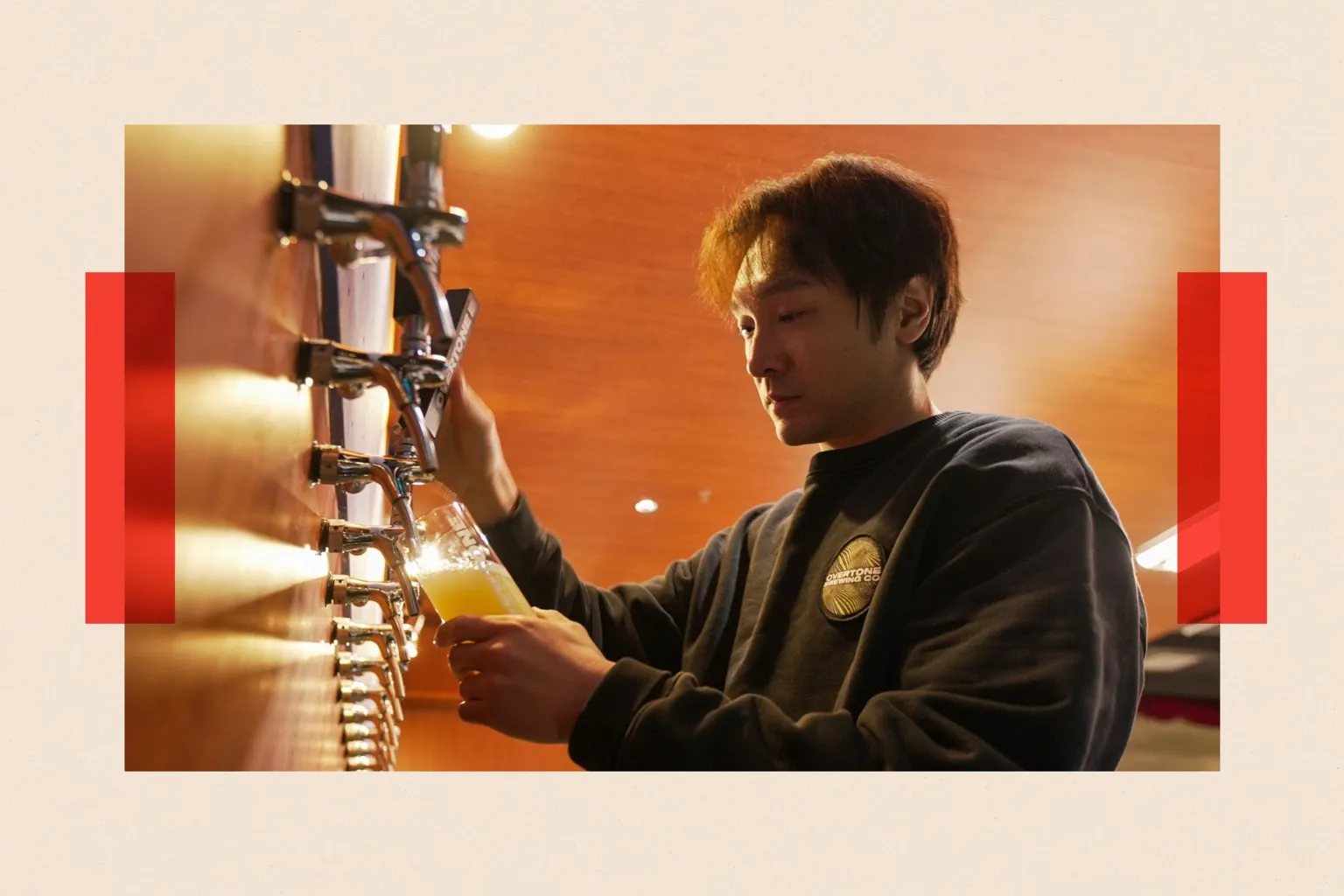
In a cozy pub nestled in Beijing’s historic Hutongs, the sound of Celtic pipes fills the air as Bowei Wang pours a pint of brown ale from his Overtone brewery in Glasgow. Wang represents a generation of Chinese who studied in the UK during the “golden era” of the early 2000s. His cross-cultural beer, brewed in Scotland and enjoyed near Tiananmen Square, symbolizes the once close ties between the two countries.
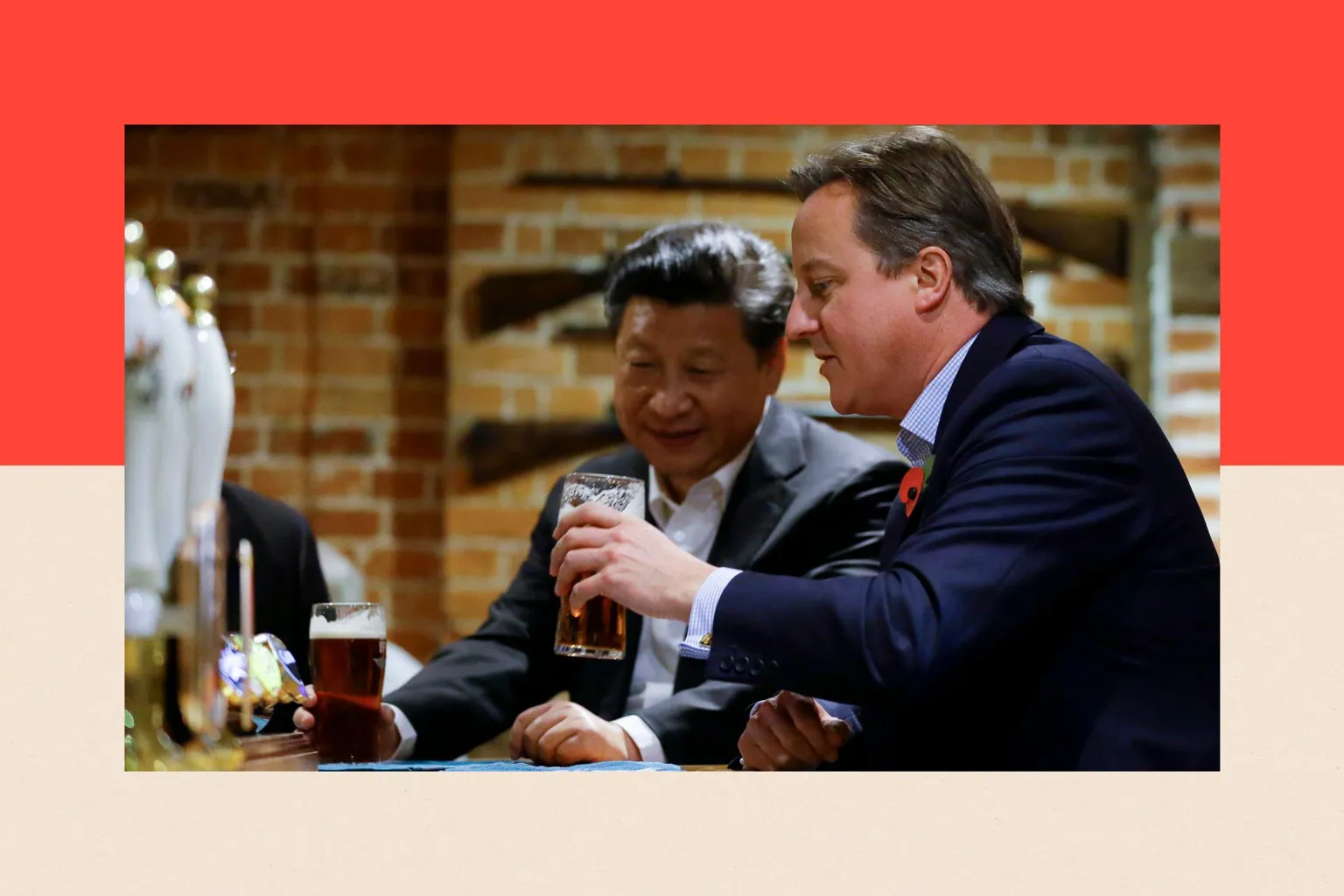
The iconic image from that era shows then-Prime Minister David Cameron sharing a pint and fish and chips with President Xi Jinping at the Plough Pub in 2015—a scene that now feels almost unimaginable amid current tensions.
Today, the UK grapples with serious security concerns regarding China, including espionage and intellectual property theft. Meanwhile, China has dramatically expanded its economic and geopolitical influence since that time. Xi Jinping is a far more confident leader, having recently concluded a trade truce with the US after a bruising tariff battle. With China producing roughly a third of global goods and dominating the rare earth minerals market, it wields enormous leverage internationally.
This economic ascendancy gives China substantial bargaining power, which it hasn’t hesitated to use—imposing tariffs or restricting trade with countries like South Korea, Australia, Japan, and Canada when displeased.

A New Chapter or Missed Opportunity?
Despite the challenges, there is a pragmatic recognition that engagement remains vital. Tom Simpson, managing director at the China Britain Business Council, emphasizes the importance of Starmer’s visit: “China is the UK’s third largest trading partner. The UK exports around £45 billion of goods and services to China. It’s an incredibly important market.”
Simpson believes the visit will boost confidence for British companies to invest in China and encourage Chinese investment in the UK, strengthening bilateral trade ties.
Yet, skepticism persists. Professor Gao Jian of Shanghai International Studies University criticizes Starmer’s rhetoric on engagement, noting a lack of substantive action over the past two years. Moreover, Chinese analysts question the UK’s political stability and the Labour Party’s future, casting doubt on the longevity and impact of the visit.
Meanwhile, grassroots enthusiasm for closer ties persists. British-led tours bring visitors to Beijing’s vibrant neighborhoods, and there is hope that visa restrictions for UK travelers may soon ease, enabling more cultural exchange and tourism.
What This Means Going Forward
China’s invitation to Starmer and other Western leaders is more than diplomatic pageantry; it’s a calculated move in a complex global geopolitical game. For the UK, the visit represents a strategic attempt to balance economic interests with security concerns while maintaining its “special relationship” with the US.
The thaw in relations is cautious and incremental. A complete return to past warmth is unrealistic, but forging a “reasonable trading relationship,” as Dr Yu Jie puts it, could yield tangible benefits amid global uncertainty.
For now, Starmer’s journey to Beijing embodies a risky but necessary gamble—one that acknowledges China’s growing influence and the intricate dance of 21st-century diplomacy.