Despite cocoa prices plummeting to near three-year lows and sugar costs dropping by 20%, the trend of smaller chocolate packs and “chocolate flavour” bars is set to persist. This shift reflects deeper challenges within the confectionery industry that go beyond raw ingredient costs.

The Rise of ‘Chocolate Flavour’ Bars: What Happened?
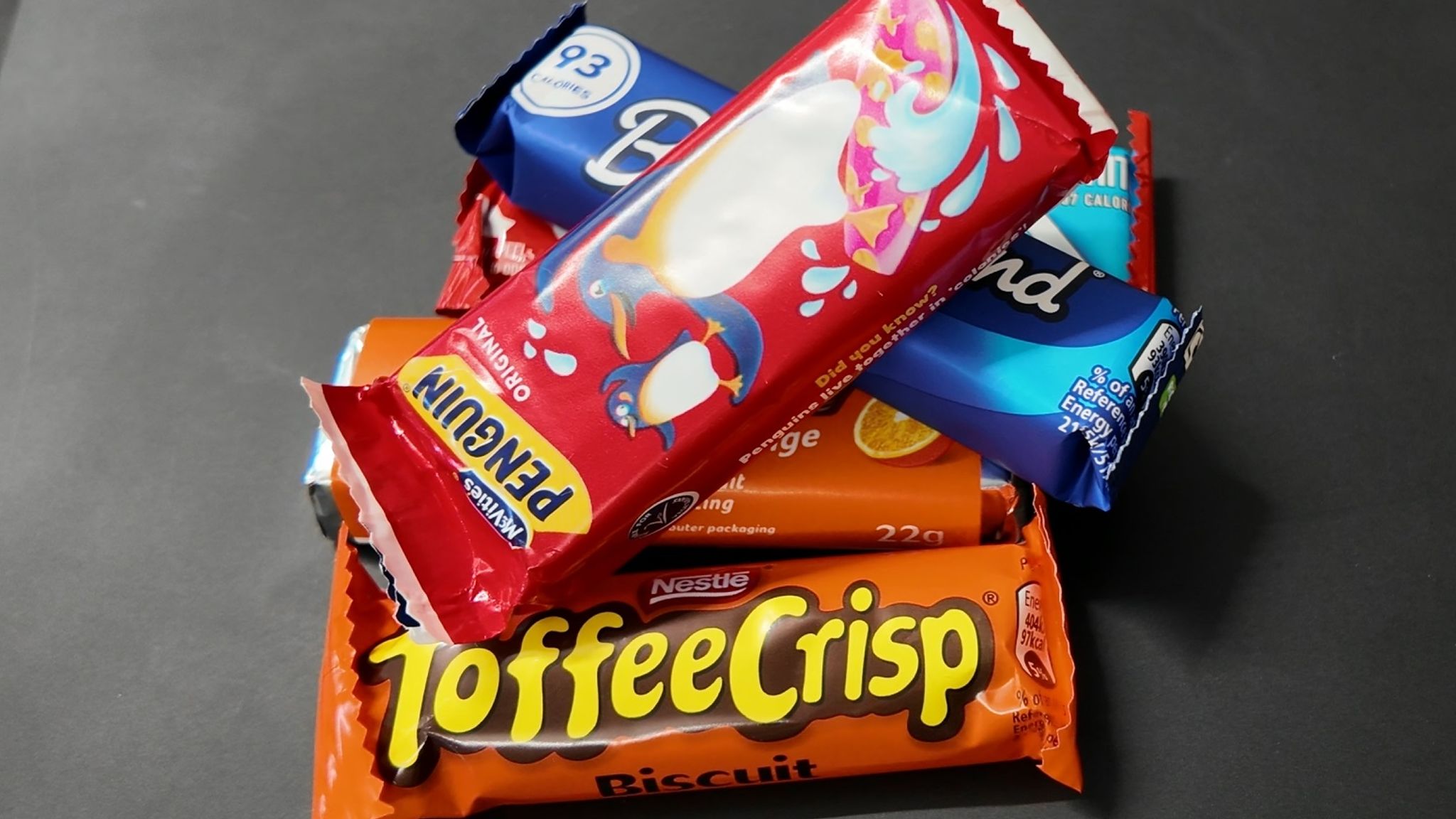
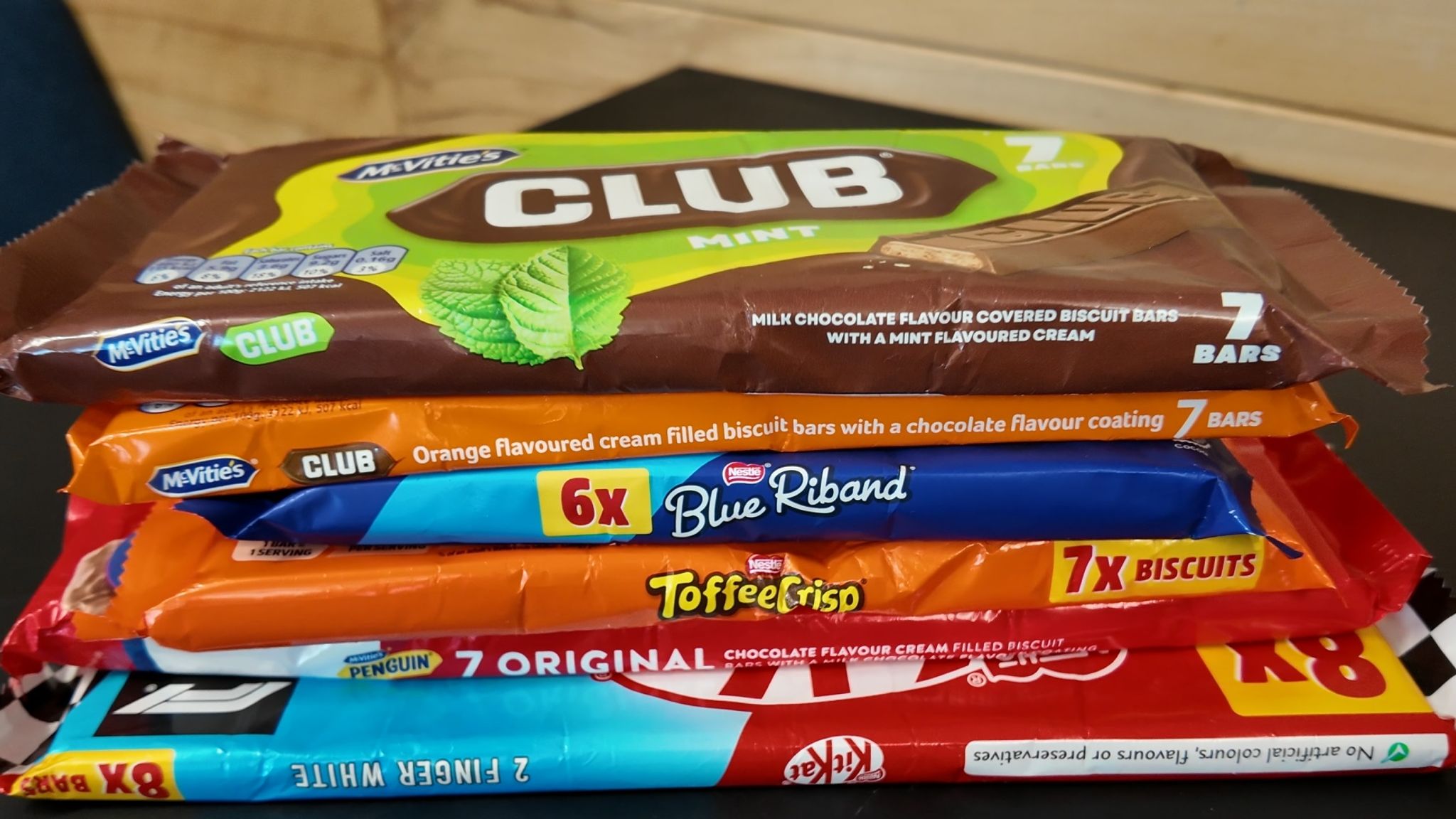
Last year, amid soaring cocoa prices reaching near-record highs, consumers began noticing subtle but significant changes in their favorite chocolate products. Iconic brands like Toffee Crisp and Blue Riband dropped the label “milk chocolate” and adopted the term “chocolate flavour” instead. This change stemmed from these bars no longer meeting the UK’s legal requirements of containing at least 20% cocoa solids and 20% milk solids to qualify as milk chocolate.
Prior to this, in October, popular treats like McVitie’s Penguin and Club bars underwent similar rebranding, followed by KitKat White and McVitie’s white digestives, which are set to fully transition before 2025. This shift signaled a broader industry response to soaring raw material costs, where manufacturers reduced cocoa content to manage expenses without dramatically raising prices.
Current Industry Response: Stability Despite Price Fluctuations
Even though cocoa prices have recently tumbled—from highs of over $12,000 per tonne in April 2024 to around $3,150 per tonne—major confectionery companies show no intention of reversing these product changes. Nestlé, which produces Toffee Crisp, Blue Riband, Quality Street, and KitKat, confirmed to Sky News that it has no plans to alter recipes or pack sizes at present.
“We have taken every possible step to minimise the impact of high cocoa prices and keep our products affordable,” a Nestlé spokesperson said. “While recent cocoa prices are encouraging, the market remains volatile, and we are monitoring developments closely.”
Similarly, Pladis, the maker of Penguin, Club, and White Digestives, also stated it has no plans for product changes. Other major players like Mars (owner of Terry’s and Celebrations) and Mondelez (owner of Cadbury) declined to comment on future product adjustments.
How Have Products Changed?
Over the past several years, consumers have noticed shrinking pack sizes alongside rising prices. For example, Celebrations tubs weighed 150 grams less between 2021 and 2025, yet cost more. Similarly, Cadbury’s Dairy Milk bars reduced by 20 grams over four years, and Toblerone bars also lost 20 grams by September 2025.
Terry’s Chocolate Orange saw a 12-gram reduction since 2021, accompanied by price hikes. Even multipacks saw fewer individual bars; Freddo multipacks dropped from five to four bars, and KitKat two-finger bars shrank from 21 to 18 per pack. These subtle shrinkflations help manufacturers maintain margins amid fluctuating ingredient costs.
Why Falling Cocoa Prices Haven’t Translated to Cheaper Chocolate
Though cocoa costs have dropped significantly, this decline will not immediately reduce chocolate prices for consumers—especially not for the upcoming Easter season. Many manufacturers are locked into long-term supply contracts reflecting earlier, higher cocoa prices. For instance, Whitakers Chocolate, a North Yorkshire maker, won’t source cocoa for products until mid-2026 or later, locking in costs that won’t reflect current market lows.
Dominic Simler, founder of UK manufacturer Playin Choc, suggests that price drops might only benefit smaller chocolatiers who use higher cocoa percentages, around 40%. Larger multinational companies tend to use around 20% cocoa content in their products, meaning they are less sensitive to cocoa price swings and more affected by other ingredient costs like sugar and milk fat.
London sugar futures, a barometer for wholesale sugar prices, have fallen roughly 20% compared to last year, thanks to surpluses in India and expected higher production in Brazil. Sugar, along with milk and packaging, now represents a significant portion of production costs for these big manufacturers.
Additional Pressures: Energy and Packaging Costs
Beyond ingredients, rising energy and transport costs also strain confectionery producers. The ongoing conflict in the Middle East has driven up oil and gas prices, which in turn inflate manufacturing, packaging, and distribution expenses. Packaging materials—often derived from petroleum products or requiring high energy input—have become more expensive, further squeezing margins.
Gemma Whitaker of Whitakers Chocolate explains, “Rising oil and gas prices have a knock-on effect across the entire supply chain. Any disruption to global energy markets leads to increased packaging costs.” This dynamic complicates any potential cost savings from lower cocoa prices.
What This Means for Chocolate Lovers
Consumers should anticipate that smaller chocolate bars and “chocolate flavour” labels will remain common features on supermarket shelves for the foreseeable future. Price reductions tied to falling cocoa costs may take years to materialize fully due to complex supply contracts and rising costs in other areas.
Industry experts predict that while smaller chocolatiers with higher cocoa content may offer some relief through price drops—possibly by Christmas 2026—mass-market chocolate products are unlikely to become significantly cheaper soon. Moreover, climate change and geopolitical instability continue to introduce volatility and uncertainty to raw material supplies and energy costs.
As a result, shoppers should prepare for continued subtle shrinkflation and gradual price increases, with manufacturers balancing affordability against the realities of a challenging global supply chain.