The largest union representing civil servants in the UK has taken a decisive step to prepare for potential industrial action by voting to double its strike fund. This strategic move comes amid growing concerns about the policies a future Reform UK government might implement and their impact on public sector workers.
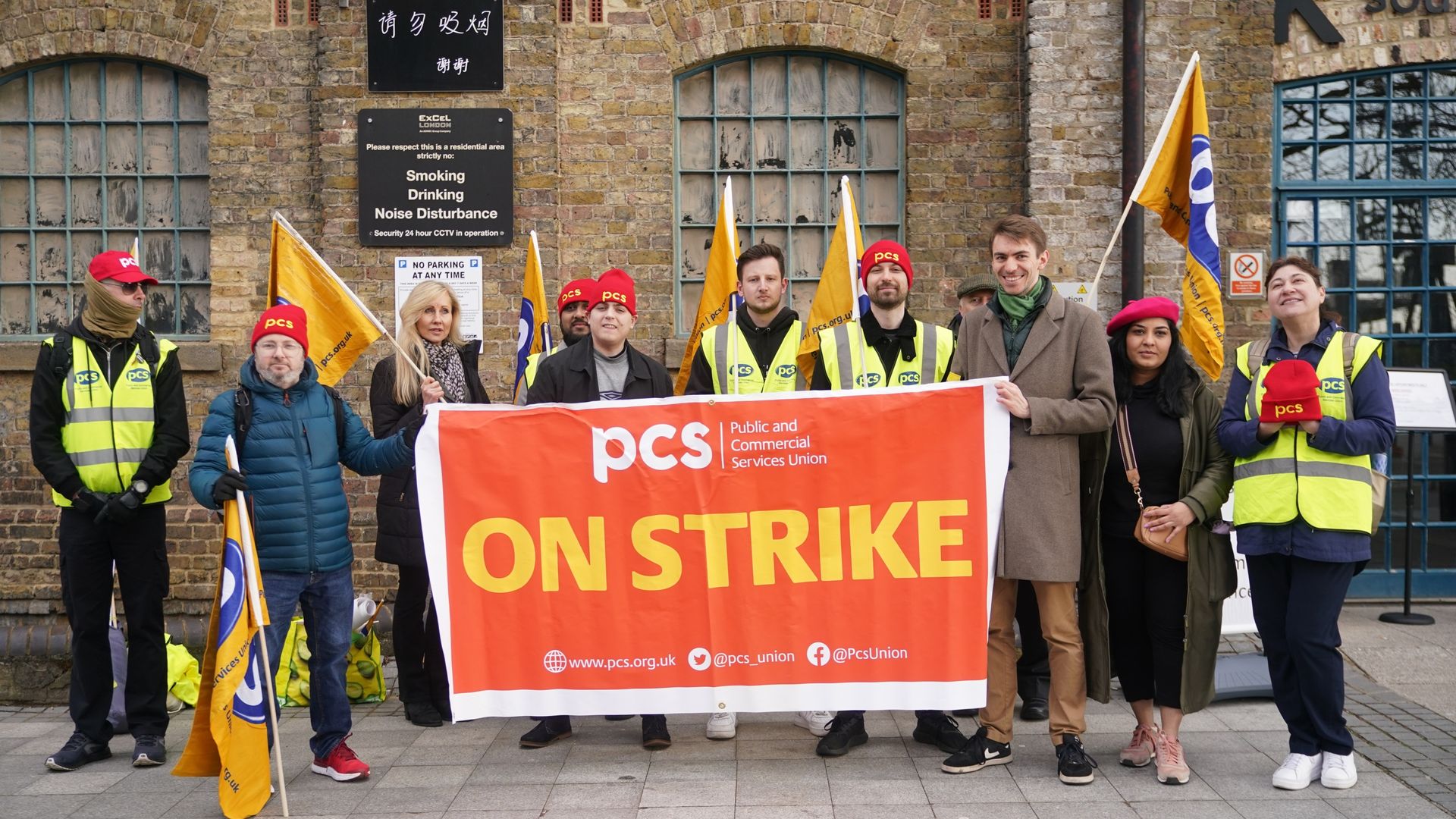
Union Increases Financial Reserves to Support Industrial Action
The decision to significantly increase the strike fund reflects the union’s commitment to protecting the rights and interests of civil servants. By doubling its financial reserves, the union ensures it has the necessary resources to support members who might engage in strikes or other forms of industrial action. This financial boost signals readiness for a possible confrontation with the government, should negotiations on pay, working conditions, or reforms reach an impasse.
Industrial action funding is critical for unions, as it provides strike pay to members and covers logistical costs during disputes. The increased strike fund underscores the seriousness with which the union views the potential policy shifts under a Reform UK government, which could introduce austerity measures or structural changes affecting civil service employment.
Why This Matters: The Stakes for Civil Servants
The civil service plays a vital role in the administration and delivery of public services across the United Kingdom. Any government reforms that alter pay scales, job security, or working conditions can have widespread implications not only for civil servants but also for the communities they serve.
The union’s proactive stance indicates a heightened level of concern about the reform agenda that Reform UK might pursue. Such reforms could include public sector cuts, efficiency drives, or changes to pension schemes — all of which have historically sparked resistance from public sector unions.
By investing heavily in its strike fund, the union aims to fortify its negotiating position. This preemptive measure enables it to support members financially and logistically throughout any potential disputes, ensuring sustained industrial action if necessary.
What Comes Next: Preparing for Potential Conflict
While no official strikes have been announced, the union’s move to expand its strike fund serves as a clear warning to both the government and the public sector workforce. It highlights a readiness to mobilize if the government’s policies threaten civil service conditions.
Union leaders are likely to continue monitoring political developments closely and engage in talks with government representatives to seek favorable outcomes for their members. However, the increased strike fund also signals that the union is preparing for the possibility that negotiations may fail, necessitating industrial action as a last resort.
For civil servants, this development emphasizes the importance of solidarity and preparedness in the face of potential policy changes. The union’s financial strategy demonstrates a commitment to backing its members through what could become a challenging period.
Looking Ahead: The Broader Impact
The decision by the civil service union to double its strike fund not only affects its members but also has implications for the broader public sector and government operations. Large-scale industrial action could disrupt essential services and place pressure on policymakers to reconsider or modify reform proposals.
As the political landscape evolves, this move highlights the ongoing tension between government reform agendas and public sector unions’ efforts to safeguard workers’ rights. The increased strike fund reflects a union prepared to defend these rights vigorously, underscoring the high stakes involved for all parties.
Ultimately, this development serves as a barometer of the civil service’s readiness to respond to future challenges, ensuring that members have both the financial and organizational support necessary to navigate a potentially turbulent political environment.
Full details regarding the union’s specific plans for industrial action and negotiations with the government have not yet been released.