

Roger Cook, a trailblazer in investigative journalism renowned for confronting criminals directly and exposing wrongdoing on camera, has passed away at the age of 83. His fearless approach to journalism reshaped how investigative reporting engaged with subjects and captivated audiences worldwide.
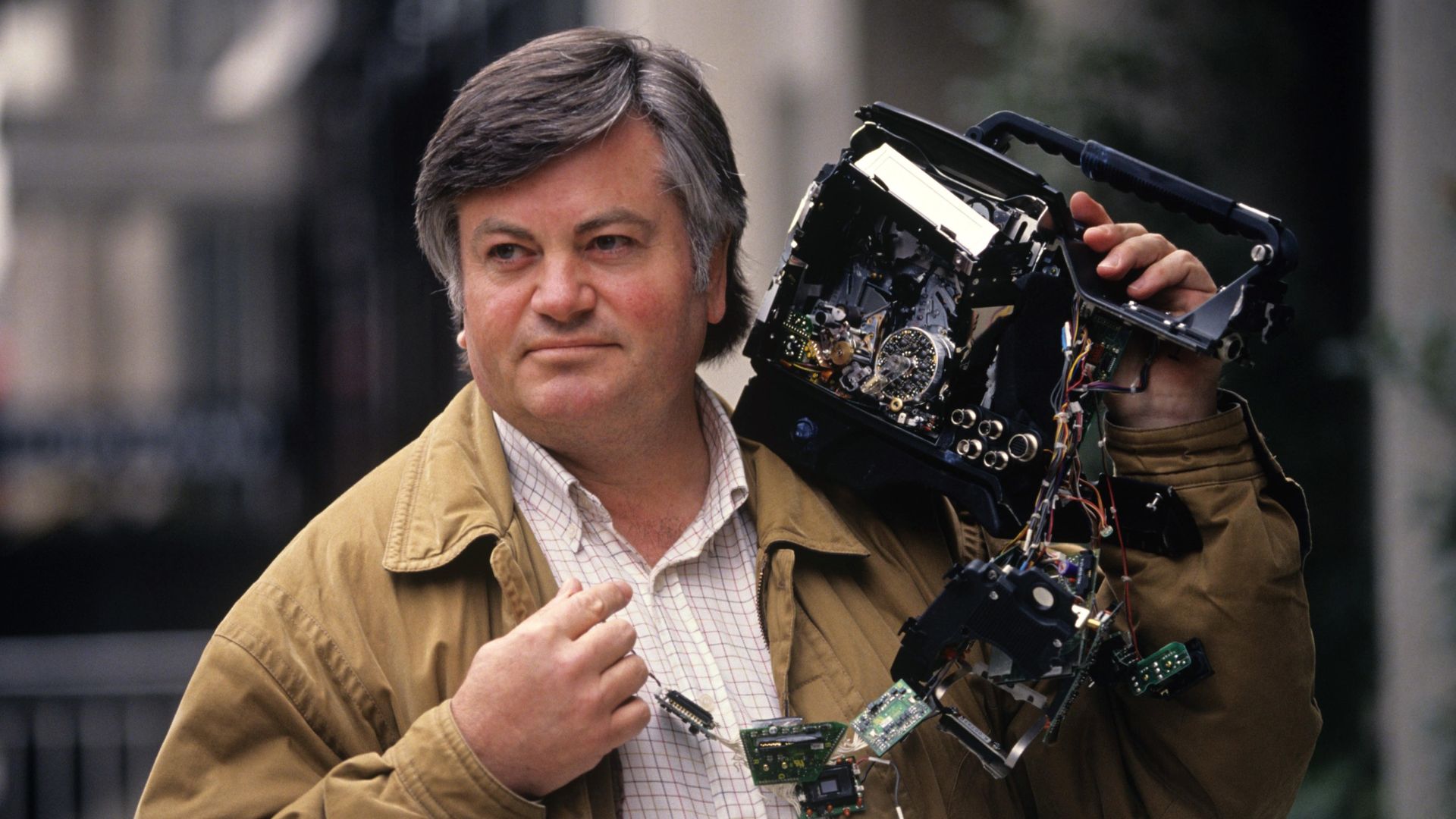
The Man Who Changed Investigative Reporting
Roger Cook did not simply report stories—he immersed himself in them. His signature style involved approaching suspects face-to-face, often on their own doorsteps, and challenging them with hard-hitting questions. This method brought a new level of immediacy and accountability to investigative journalism, making viewers feel as though they were witnessing justice unfold in real time.
Cook’s career spanned decades, during which he became a household name in the United Kingdom and beyond. His relentless pursuit of truth and willingness to confront powerful and dangerous individuals head-on earned him respect and admiration within the field. He worked on numerous high-profile investigations that revealed corruption, fraud, and criminal activity, often risking personal safety to bring such stories to light.
Impact and Legacy in Journalism
Roger Cook’s influence extends far beyond his on-screen presence. He helped establish investigative journalism as a vital tool for public accountability. His work inspired countless journalists to adopt a more courageous and proactive approach, emphasizing direct engagement rather than detached reporting.
By pioneering the confrontational style, Cook also pushed the boundaries of television journalism, blending investigative rigor with compelling storytelling. This approach not only attracted large audiences but also pressured institutions and individuals to answer for their actions.
Many of his investigations led to tangible outcomes, including legal action and policy changes, demonstrating the power of journalism to effect real-world change. Cook’s legacy continues to shape investigative reporting standards and techniques globally.
Why Roger Cook’s Work Still Matters Today
In an era where misinformation and media skepticism are widespread, Roger Cook’s fearless, transparent style of reporting serves as a reminder of journalism’s critical role in democracy. His commitment to confronting wrongdoing directly underscores the importance of holding individuals and organizations accountable in an open and public manner.
Moreover, his work highlights the need for journalists to be both courageous and ethical. Cook’s balance of boldness with integrity helped cultivate public trust in investigative journalism—a trust that remains essential today as journalists navigate complex social and political landscapes.
Looking Ahead: The Enduring Influence of a Pioneer
Roger Cook’s passing marks the end of an era but also cements his place as a foundational figure in modern investigative journalism. Future generations of reporters will continue to draw lessons from his approach, blending tenacity with empathy and rigor with accessibility.
As newsrooms evolve with new technologies and platforms, the core principles Cook championed—courage, accountability, and direct engagement—remain vital. His career reminds us that journalism’s power lies not only in uncovering facts but also in challenging those who abuse power, face-to-face and on camera, to answer for their actions.
Roger Cook’s enduring legacy is a testament to the transformative potential of fearless journalism in serving the public interest and upholding justice.