

The debate over the legalization of assisted dying in the UK is set to reignite as supporters prepare to bring the Assisted Dying Bill back to Parliament. This contentious legislation, which has sparked intense discussion over ethics, personal autonomy, and medical responsibility, is poised to capture national attention once again.
What Is the Assisted Dying Bill?
The Assisted Dying Bill seeks to allow terminally ill adults the legal option to end their lives with medical assistance, under strict safeguards. Advocates argue that the bill would provide compassionate relief for those suffering unbearable pain or loss of dignity, enabling them to make personal decisions about their end-of-life care. Opponents, however, raise concerns about the potential for abuse, moral implications, and the sanctity of life.
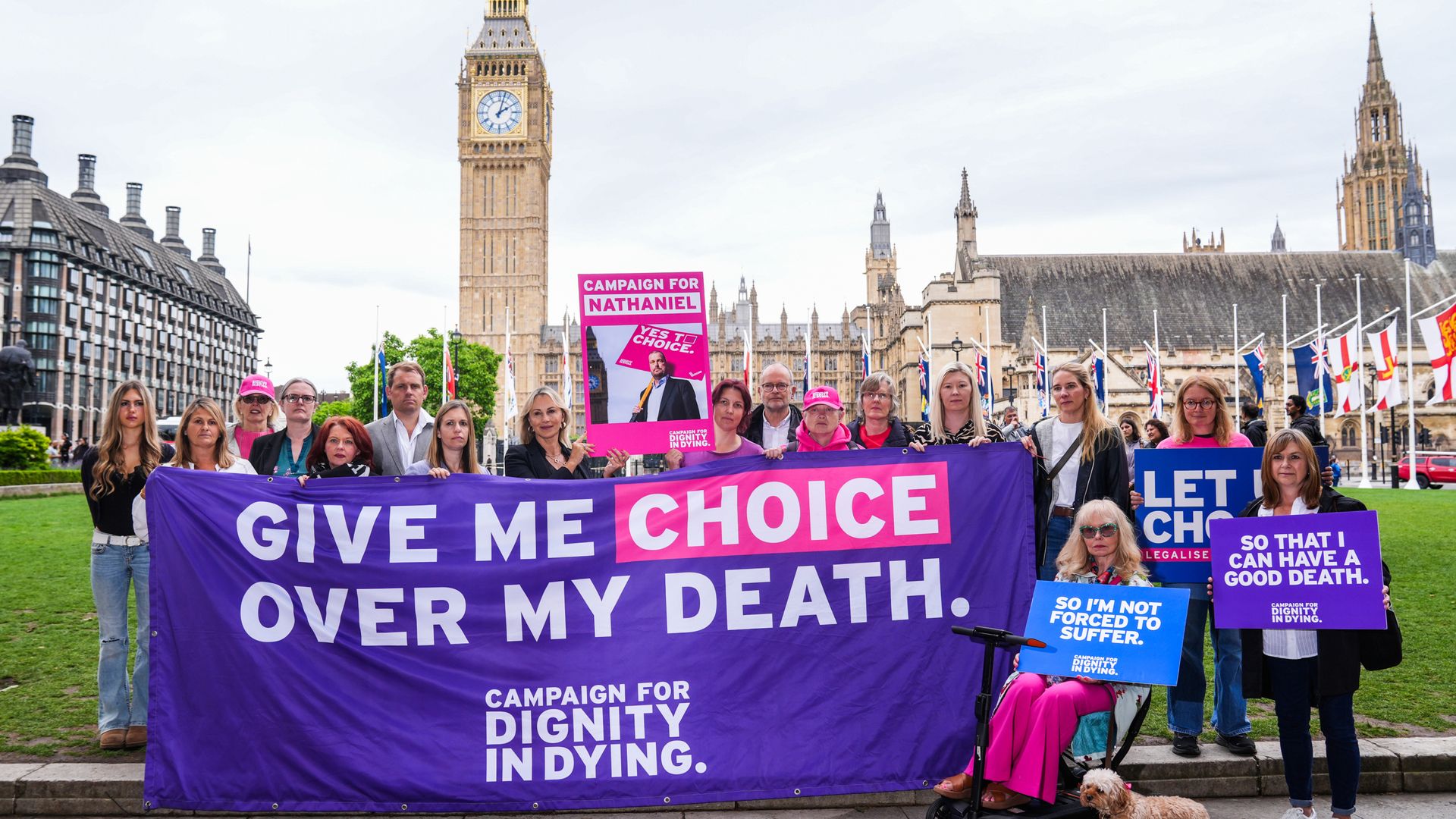
This bill has been debated in Westminster Hall, a significant venue for detailed parliamentary discussions. The latest photocall of bill supporters took place at Parliament Square in London, symbolizing the growing public momentum behind the cause.
Why the Bill Matters Now
Terminal illness often brings profound physical and emotional suffering, and many patients express a desire for control over how their lives conclude. In the UK, assisted dying remains illegal, forcing some to seek alternatives abroad or endure prolonged hardship. The return of this bill signals a critical moment in the ongoing dialogue about patient rights, medical ethics, and legislative responsibility.
Supporters of the bill emphasize the importance of personal choice, arguing that safeguarding measures can effectively prevent misuse. They point to jurisdictions like Canada and parts of the United States, where assisted dying laws have been implemented with rigorous oversight, as models for the UK.
Moreover, public opinion polls indicate a significant portion of the UK population favors legalizing assisted dying under controlled conditions. This shift reflects broader societal trends toward autonomy and compassionate responses to end-of-life challenges.
What Comes Next in Parliament?
The bill’s return to Parliament means that lawmakers will engage in renewed debates, committee reviews, and possibly votes that could alter the UK’s legal stance on assisted dying. Given the sensitive nature of the issue, discussions are expected to be thorough and impassioned, involving testimony from medical professionals, ethicists, religious leaders, and affected families.
Parliamentarians will need to weigh complex factors, including the ethical frameworks governing medical practice, the potential impact on vulnerable populations, and the role of government in regulating deeply personal decisions. The outcome could set a precedent for how the UK handles end-of-life care and patient rights moving forward.
Why This Debate Is Essential
The conversation around the Assisted Dying Bill touches on fundamental questions about dignity, autonomy, and compassion in healthcare. Its progression in Parliament reflects a society grappling with how best to balance these values amid evolving medical capabilities and ethical standards.
Legalizing assisted dying could transform the experience of terminal illness for many, offering a sense of control and peace in otherwise difficult circumstances. Conversely, it demands vigilant safeguards to ensure that the choice remains informed, voluntary, and free from coercion.
As the bill returns to the legislative floor, all eyes will be on Parliament to see whether the UK will join other nations in redefining end-of-life rights. This is not just a legal debate but a profound societal reflection on how we honor life and respect individual choice.
Full details of the upcoming parliamentary schedule and the bill’s provisions have yet to be finalized, but the renewed momentum signals that assisted dying will remain a pivotal issue in UK policy discussions.