

A significant industrial action by resident doctors in England, set to stretch over four days next week, has been abruptly canceled following an offer from the UK government. This development marks a pivotal moment in ongoing disputes between medical professionals and policymakers concerning working conditions and pay.
What Led to the Planned Strike?
The British Medical Association (BMA), representing thousands of resident doctors across England, had prepared for an extensive strike to protest against issues including inadequate pay, excessive workload, and challenging working hours. The proposed strike threatened to disrupt hospital services nationwide, sparking concerns about patient care and healthcare system stability.
Resident doctors play a critical role in delivering frontline medical care, often working long shifts in demanding environments. Their grievances reflected broader tensions within the National Health Service (NHS), where staff shortages and funding pressures have intensified over recent years. The strike was intended to pressure the government into addressing these systemic issues more effectively.
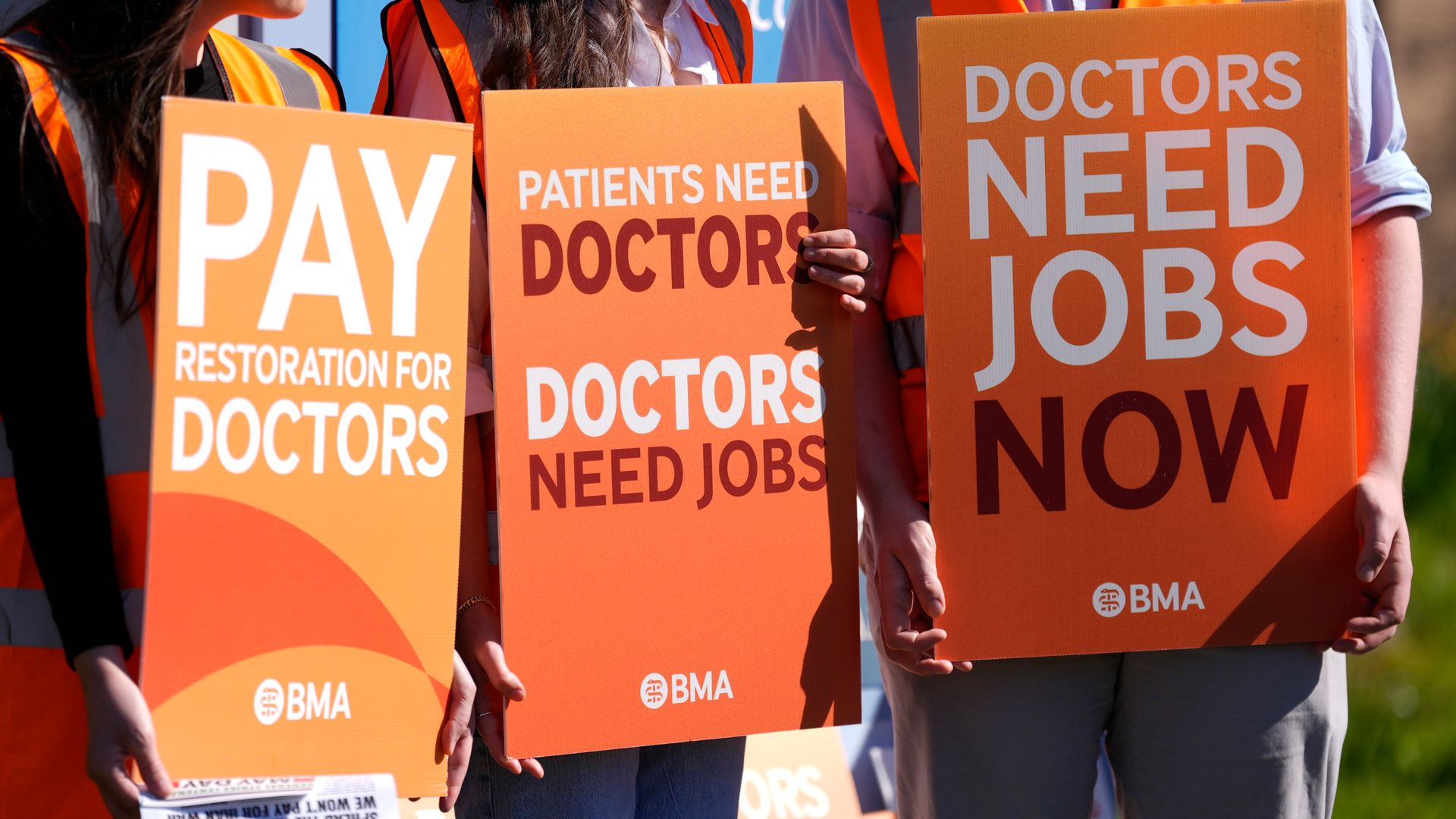
The Government’s Offer and BMA’s Response
In response to the strike announcement, the government engaged in renewed negotiations with the BMA, culminating in an offer aimed at resolving the dispute. Although details of the proposal have not been fully disclosed, it evidently contained concessions sufficient to persuade the BMA to call off the planned industrial action.
The BMA confirmed the cancellation of the four-day strike, emphasizing that while the offer represents progress, ongoing dialogue remains essential to tackle the underlying challenges faced by resident doctors. The decision underscores the power of collective bargaining and negotiation in healthcare labor relations.
Why This Resolution Matters
The cancellation of the strike averts significant disruption to hospital services and patient care across England. Strikes in the healthcare sector have far-reaching consequences, including delays in elective procedures, increased pressure on emergency departments, and heightened stress on remaining staff. By resolving the dispute without striking, resident doctors have safeguarded continuity of care during a period when the NHS is already under strain.
Moreover, this development highlights the critical need for sustainable solutions to the pressures facing healthcare workers. Resident doctors, often early in their careers, are vital to the future of the NHS. Addressing their concerns about pay and working conditions is essential not only for morale but also for recruitment and retention in the long term.
This episode serves as a reminder to policymakers of the urgency in investing adequately in the healthcare workforce and infrastructure. With ongoing challenges such as rising patient demand and post-pandemic recovery, constructive engagement with frontline staff remains indispensable.
What Comes Next?
While the immediate crisis has been averted, the broader issues that motivated the strike remain on the agenda. The BMA and government officials have committed to continued discussions to ensure that resident doctors receive fair compensation and workable hours. Monitoring the implementation of any agreed measures will be crucial to avoid future industrial actions.
For patients and healthcare providers alike, this resolution provides a temporary reprieve. However, sustained progress will require structural reforms and adequate funding to support the NHS workforce effectively.
In summary, the call-off of the planned resident doctors’ strike in England signals a positive step toward resolving a contentious dispute. It underscores the importance of negotiation in maintaining healthcare services and highlights the ongoing need to address the systemic challenges facing NHS staff. The coming months will reveal how the government and medical professionals translate this agreement into lasting improvements.