

Thousands of demonstrators flooded Glasgow’s city centre in a powerful show against racism, but tensions boiled over as rival protesters confronted each other, sparking clashes that disrupted the event’s peaceful intentions.
What Happened at the Glasgow Rally?
The anti-racism rally drew a diverse crowd of thousands, united in their stand against racial injustice and discrimination. Organizers planned the event to promote unity and raise awareness about systemic racism affecting communities across Scotland and beyond.
However, the gathering took an unexpected turn when opposing groups—each with starkly different political and social agendas—confronted one another in the heart of the city. The clashes involved vocal arguments escalating into physical altercations, forcing police to intervene to restore order.
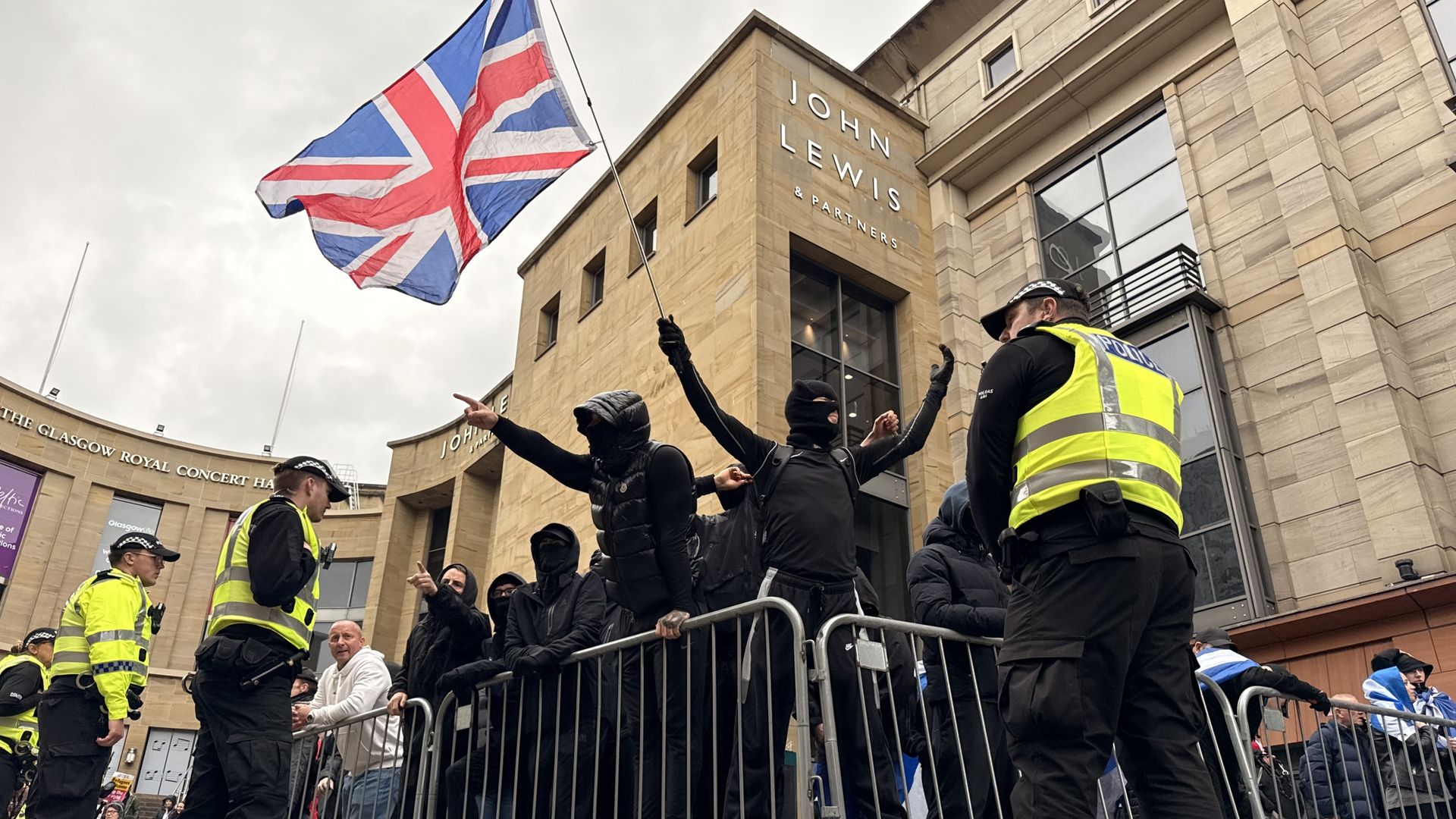
Authorities reported multiple minor injuries but no serious harm. The police presence was heightened in response, and several arrests were made to prevent further violence. Despite the unrest, many attendees remained committed to the rally’s core message of equality and inclusion.
Background and Significance of the Event
Glasgow has a long history of activism on social justice issues, and this rally was part of a broader movement responding to global concerns about racial inequality, police brutality, and discrimination faced by minority communities. The event sought to amplify voices demanding policy change and greater societal awareness.
Anti-racism demonstrations across the UK have grown in scale and visibility in recent years, fueled by international movements and local incidents that highlight ongoing disparities. Glasgow’s rally was notable for its size and the passionate engagement of youth activists, community leaders, and allies.
Why the Rival Protesters Clashed
The groups that clashed represent opposing ideologies. While the main rally focused on unity and combating racism, rival factions—some espousing nationalist or far-right views—attempted to disrupt the proceedings and challenge the anti-racism message.
These confrontations illustrate the deep societal divisions that persist, with competing narratives about identity, immigration, and cultural values. The clashes underscore how public demonstrations can become flashpoints where unresolved tensions surface, complicating efforts to foster dialogue and understanding.
What This Means for Glasgow and Beyond
The violent flare-ups during the rally highlight the challenges faced when mobilizing large-scale social movements in politically charged environments. While the majority of participants sought peaceful protest and constructive change, the presence of antagonistic groups threatens to overshadow their efforts.
For local authorities and community organizations, these events signal the need for enhanced strategies to protect peaceful demonstrators and facilitate productive conversations about race relations. It also calls attention to the importance of addressing the root causes of division to prevent future conflicts.
Despite the clashes, the rally’s core message remains clear: combating racism requires persistent activism, community solidarity, and systemic reform. The determination of thousands who gathered in Glasgow reflects a growing commitment to building a more inclusive society.
As Glasgow and other cities continue to confront these complex issues, the events serve as a reminder that while progress may be met with resistance, the pursuit of justice and equality must remain steadfast.