

As a fierce wildfire continues to ravage the Cairngorms National Park, the largest national park in the UK, Scotland’s First Minister has issued a stark warning about the reality of climate change. The ongoing blaze has placed emergency services and communities on high alert, highlighting the escalating environmental challenges facing the region.
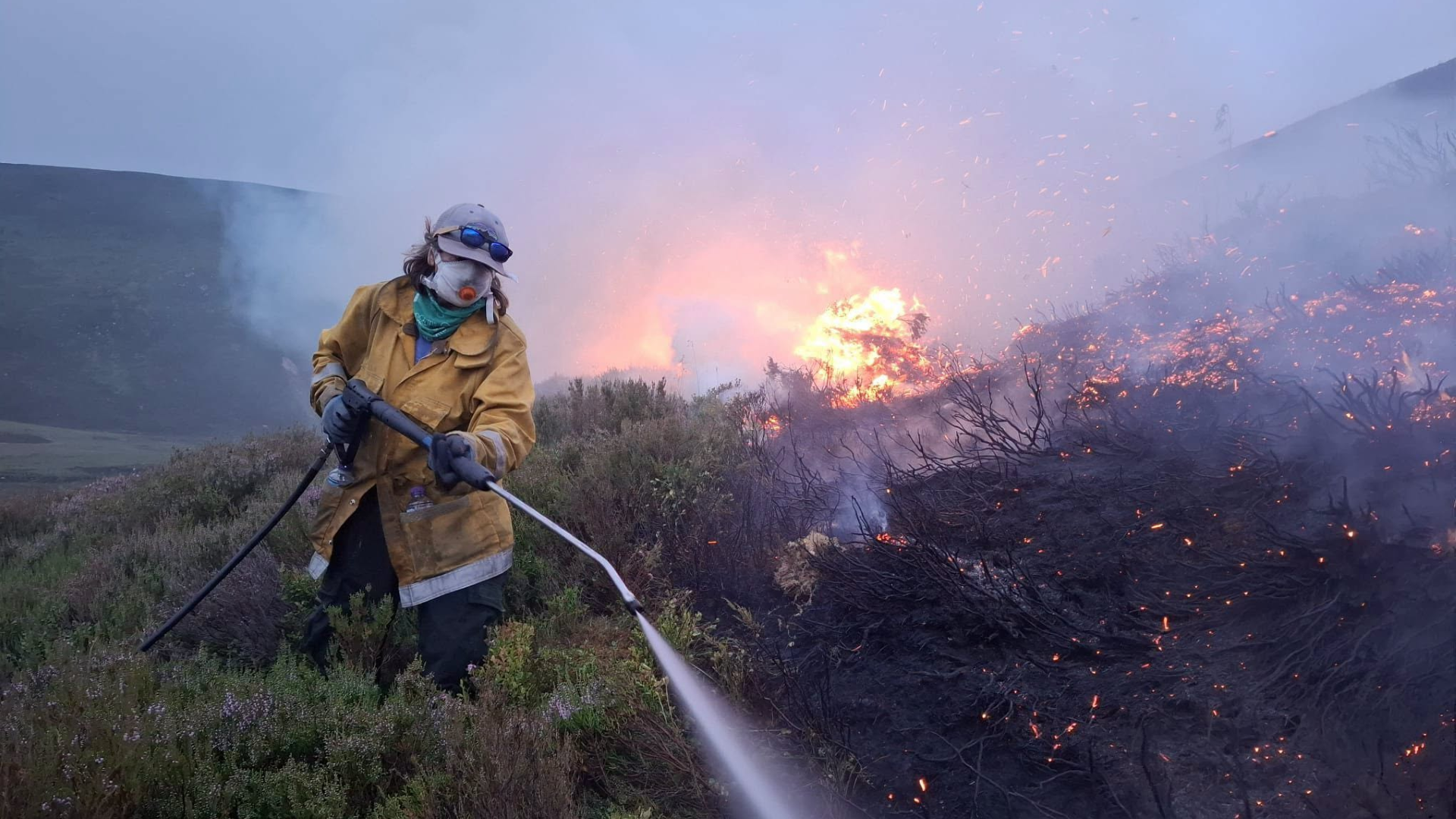
Wildfire Devastates the Cairngorms
The wildfire, which erupted in one of Scotland’s most treasured natural landscapes, has rapidly spread across vast areas of the Cairngorms. This national park, renowned for its unique biodiversity and rugged mountain scenery, is facing an unprecedented threat from intense heat and dry conditions. Firefighters and emergency personnel have been working tirelessly to contain the blaze, battling difficult terrain and unpredictable weather.
The scale of the fire is a stark reminder of how vulnerable even remote, protected landscapes have become in the face of rising temperatures and altered weather patterns. The Cairngorms, home to rare flora and fauna, including endangered species, now confront ecological damage that could take years to repair.
First Minister Salmond Voices Urgent Climate Warning
Speaking out amid the crisis, Scotland’s First Minister expressed heartfelt gratitude for the firefighters, park rangers, and volunteers risking their lives to curb the wildfire. But beyond praise, the minister emphasized the broader significance of the event.
“This wildfire is not just a local emergency—it is a clear signal that climate change is happening here and now,” the First Minister stated. Such extreme weather events are becoming more frequent and severe, underscoring the urgent need for robust climate action at all levels of government.
The minister’s remarks resonate with scientific consensus warning that Scotland’s landscapes and communities are increasingly exposed to climate-related risks. Heatwaves, droughts, and wildfires that were once rare are now part of a new normal, driven by global warming.
Implications for Scotland’s Environment and Policy
The ongoing wildfire forces Scotland to reckon with the tangible impacts of climate change on its natural heritage. The Cairngorms play a crucial role in carbon storage, water regulation, and supporting biodiversity, making their preservation vital not only for Scotland but for global ecological health.
This disaster also challenges policymakers to accelerate climate resilience strategies. Enhanced funding for wildfire prevention, improved land management, and community preparedness are among the urgent measures experts recommend.
Moreover, the event highlights the interconnected nature of climate change consequences—rising temperatures increase fire risk, which in turn releases stored carbon, further exacerbating global warming. Breaking this cycle demands comprehensive, forward-thinking climate policies.
What This Means for the Future
The Cairngorms wildfire serves as a somber wake-up call about the accelerating pace of climate change impacts in Scotland. It calls for an immediate and sustained response to reduce greenhouse gas emissions and strengthen protections for vulnerable ecosystems.
For residents, visitors, and environmental stewards, the wildfire underscores the urgent need for awareness, preparedness, and community resilience. It is a vivid illustration that climate change is no longer a distant threat but a current reality demanding decisive action.
As firefighters continue their battle against the blaze, Scotland must harness this moment to reaffirm its commitment to a sustainable, climate-resilient future—preserving its natural treasures for generations to come.