

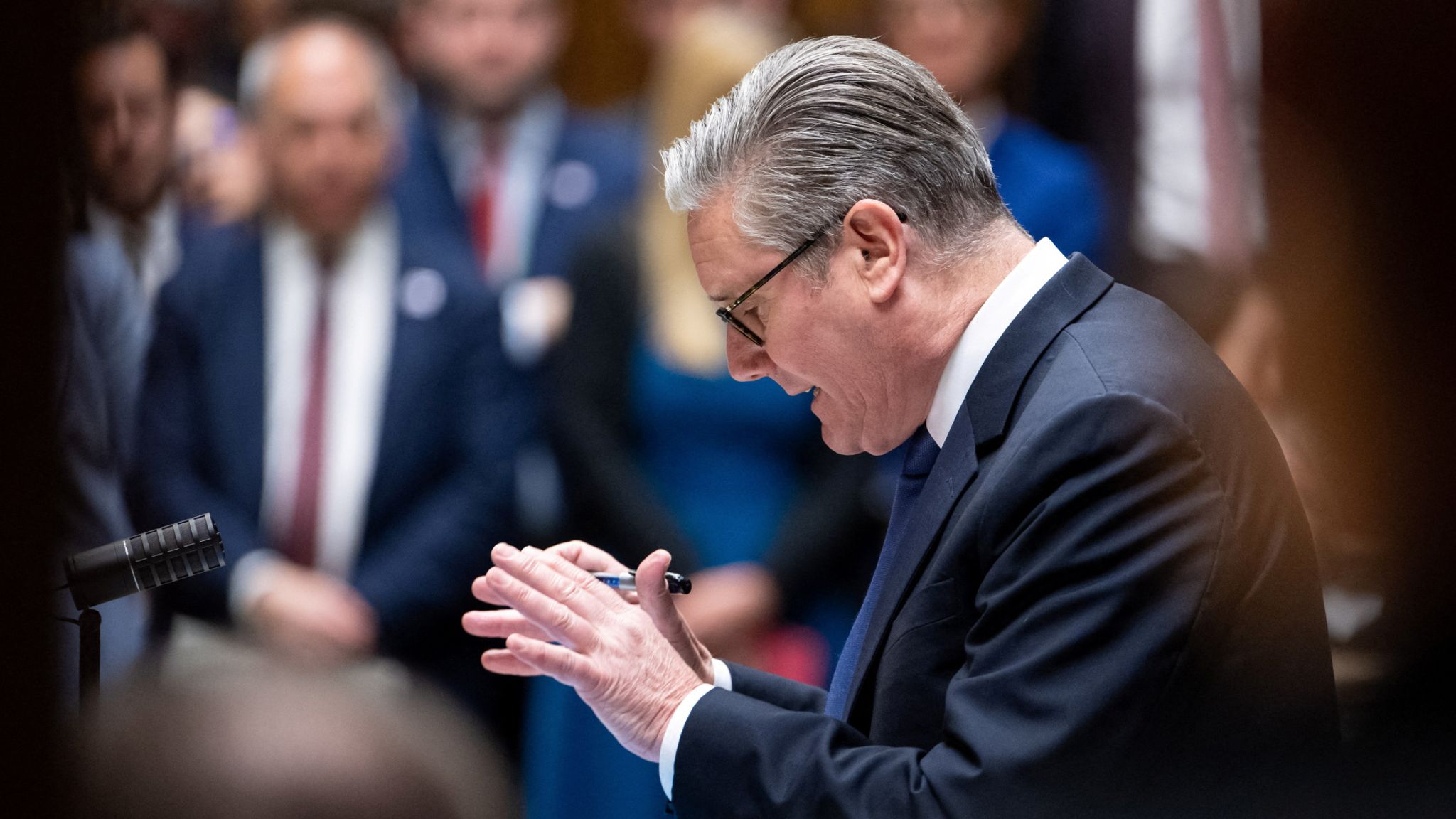
Sir Keir Starmer has sounded the alarm on divisive forces both at home and abroad during his St George’s Day address. Yet, the most immediate and formidable challenge confronting the prime minister arises from deep fractures within his own Labour Party, centering on the controversial appointment of Lord Mandelson.
The Mandelson Vetting Controversy Unfolds
The fallout over Lord Mandelson’s security clearance continues to intensify, with fresh revelations threatening to destabilize Sir Keir’s leadership. At the heart of the drama lies the Cabinet Office’s most senior civil servant, Cat Little, who is scheduled to appear before the Foreign Affairs Select Committee. Her testimony follows that of Sir Olly Robbins, the former Foreign Office chief, who accused Number 10 of adopting a dismissive stance toward vetting protocols and exerting undue pressure to approve Mandelson’s appointment.
Ms Little personally informed the prime minister last week that Mandelson had secured high-level security clearance despite vetting officials’ explicit recommendations against it. Crucially, she had been aware since March of sensitive information that raised concerns about Mandelson’s suitability.
Sir Keir, who has endured several grueling parliamentary sessions this week, insists he was kept in the dark by officials about the vetting issues. While acknowledging he erred in recruiting Mandelson, the prime minister maintains he would have reconsidered the appointment had he been fully briefed on the vetting failure.
Sir Olly Robbins was dismissed following the public disclosure of these issues. However, Downing Street has firmly stated there is no indication that Ms Little will face similar consequences for her role.
High-Profile Witnesses and Growing Internal Pressure
Following Ms Little’s committee appearance, Morgan McSweeney, Sir Keir’s former chief of staff, is set to testify next Tuesday. McSweeney’s involvement is highly unusual, as former prime ministerial chiefs of staff rarely appear before Commons committees. He resigned in February, publicly stating he had advised the prime minister to appoint Lord Mandelson.

McSweeney’s role has made him a focal point for critics within Labour’s parliamentary ranks. The scandal has deepened internal divisions, with some MPs openly calling for Sir Keir’s resignation. Jonathan Brash, Labour MP for Hartlepool, declared on GB News that the question is “not if, but when” the prime minister should step down.
Signs of unrest extend beyond the backbenches. Within the cabinet, ministers are expressing unease about the handling of the Mandelson appointment. Work and Pensions Secretary Pat McFadden refrained from endorsing Sir Olly Robbins’s sacking during a Sky News interview, while Energy Secretary Ed Miliband, a close ally of Starmer, admitted concerns that the Mandelson affair “could blow up” and derail the government. Miliband revealed he had “steered well clear” of Mandelson during his own tenure as Labour leader.
Meanwhile, Conservative leader Kemi Badenoch is pushing for Sir Keir to be referred to Parliament’s Privileges Committee over accusations of misleading MPs about Mandelson’s appointment. The prime minister has denied any intent to mislead, emphasizing his lack of knowledge about the failed vetting until recently.
Implications for Labour and the Upcoming Elections
The timing of this scandal could not be worse for Labour. The party faces local elections next month, with early projections indicating a potentially catastrophic outcome. A major YouGov poll commissioned by Sky News forecasts Labour’s worst performance in London since the 1970s, with the Greens and Reform parties poised to make significant gains. Additionally, Labour risks losing control of the Welsh Parliament for the first time in its history.
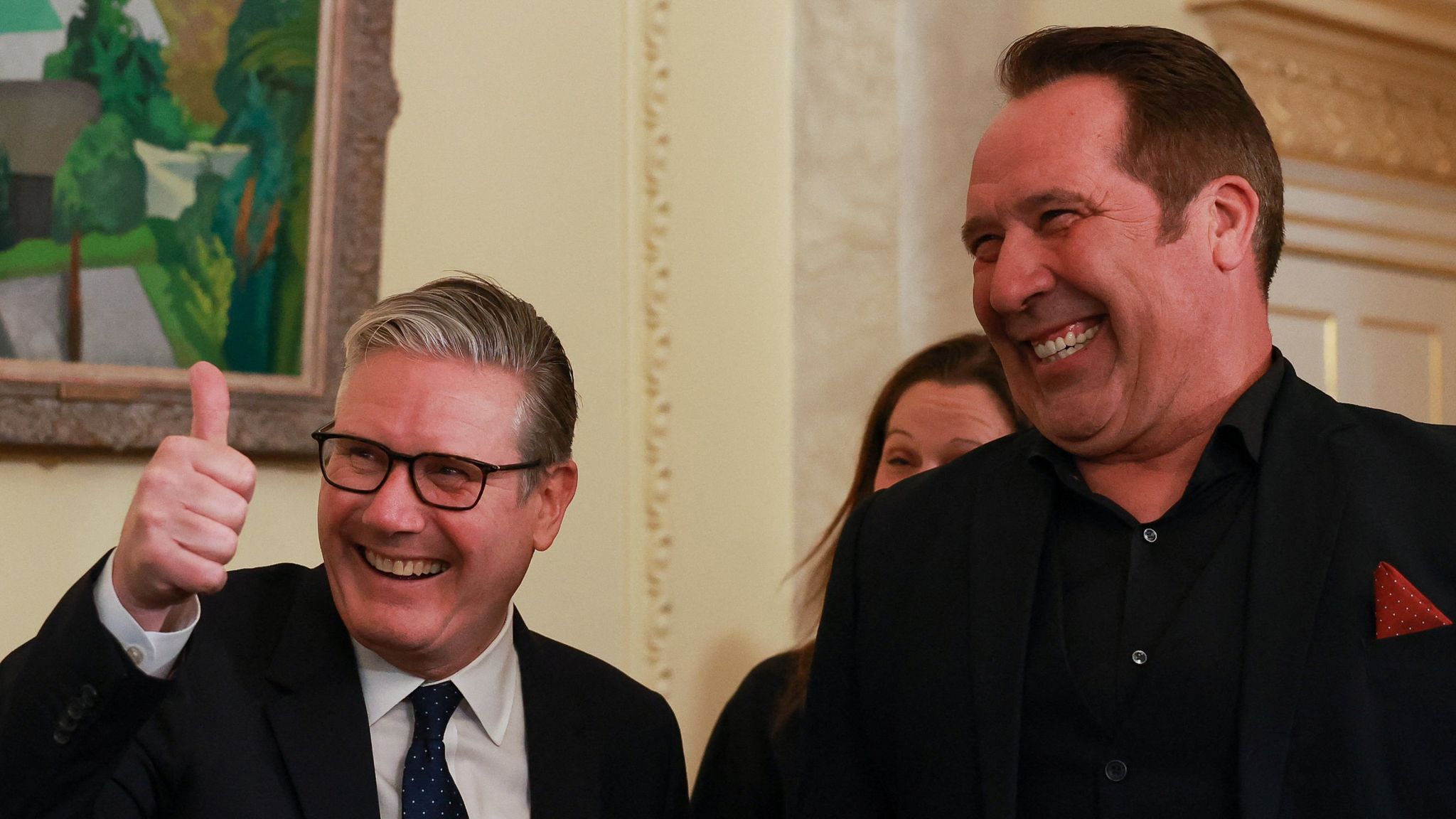
The mounting pressure on Sir Keir Starmer exposes a critical juncture in his premiership. The Mandelson vetting saga has not only undermined confidence in his leadership but also exposed fault lines within Labour, threatening party unity at a pivotal moment. As the Foreign Affairs Select Committee continues its inquiries, the prime minister must navigate a complex web of political fallout that could define his tenure.
What This Means Going Forward
The unfolding Mandelson scandal underscores the high stakes of vetting processes for senior appointments and the consequences of opaque decision-making in government. For Sir Keir Starmer, restoring trust within his party and among the electorate will require transparency, accountability, and decisive action. The next few weeks will be critical as Labour confronts internal dissent and prepares for elections that may reshape the political landscape.
Ultimately, the Mandelson affair serves as a stark reminder that leadership is tested not only by external challenges but by the ability to manage crises from within. How Sir Keir responds could determine whether he emerges strengthened or further weakened in the eyes of his party and the public.