

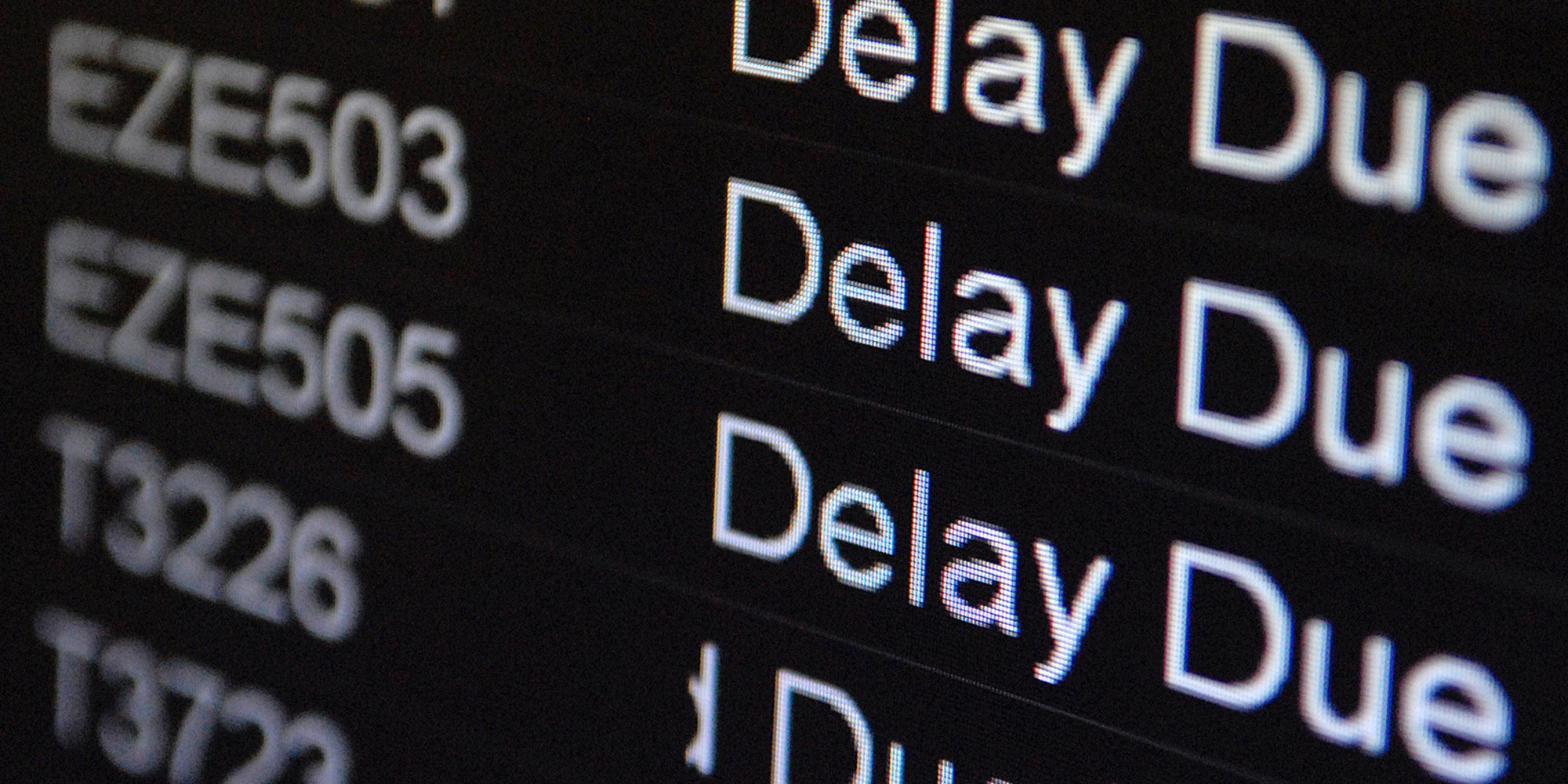
A sudden technical malfunction at a crucial air traffic control centre has sent shockwaves through the UK’s busiest airports, triggering widespread flight delays and cancellations that have left thousands of passengers stranded and frustrated. The epicentre of the disruption lies at the Swanwick Air Traffic Control Centre in Hampshire, responsible for managing the dense and complex airspace over southern England, one of the busiest in the world. Airports such as London Heathrow, Gatwick, and Stansted bore the brunt of the chaos, with ripple effects extending across the UK and into international flight routes.
The Incident: What Went Wrong at Swanwick?
Early on a busy Saturday morning, controllers at the Swanwick centre encountered a critical failure in their internal telephone system, an essential communication tool for coordinating air traffic safely and efficiently. This failure prevented the opening of additional control positions that are normally activated as flights increase during daylight hours. The result was a significant drop in the capacity of UK en-route airspace, forcing controllers to operate with fewer resources despite increasing traffic volumes.
A spokesperson from the National Air Traffic Control Service (Nats), which oversees the operation, explained: “At night, when traffic is lighter, sectors of airspace are combined. But as daytime traffic grows, these sectors are split and more control positions open to manage demand. Due to the telephone system issue, we could not open these positions this morning, leading to reduced capacity.”
Despite the operational challenges, safety protocols remained uncompromised at all times. However, the impact on flight schedules was severe. By midday, Nats reported handling 20% fewer flights than usual, and Eurocontrol, the European body coordinating air traffic, indicated the problem would persist until after 5pm, prolonging delays.

Widespread Impact Across UK Airports and Beyond
The disruption resulted in hundreds of cancellations, especially at Heathrow, which cancelled over 200 flights. Gatwick and Stansted also experienced significant delays, alongside other airports including Manchester, Cardiff, Southampton, Luton, and London City. Even flights originating from Edinburgh and Glasgow heading south faced knock-on effects.
Passengers faced prolonged waits, often stuck on grounded planes with little information. Many voiced frustration about the lack of communication. One traveller, Daisy McAndrew, described the scene at Gatwick as an “unholy mess,” with passengers left uncertain about their journeys. She remarked on the eerie stillness at the airport, where both the normally bustling tarmac and skies were completely static.
Similarly, Alwynne Gwilt, delayed at Stansted, recounted being stuck onboard a plane for almost three hours with no updates or access to refreshments. These accounts highlight the human cost of the technical failure beyond the logistical headaches.

Internationally, the disruption echoed across borders. Dublin Airport acknowledged that flights to England and continental Europe were delayed due to the UK’s air traffic issues. Airlines, including British Airways, offered refunds and rebooking options for affected passengers. BA recognized the severity of the disruption given Heathrow’s status as the world’s busiest two-runway airport and Gatwick’s as the busiest single-runway airport, emphasizing the challenges airlines faced due to the air traffic control failure.

Expert Analysis and Broader Implications
Industry experts underscored the complexity and scale of the problem. Radar engineer Dan Holland noted that the air traffic system typically runs at about 15% capacity overnight and ramps up to near 100% during the day. The failure occurred precisely during this critical switch, causing data optimization issues that hampered safe and efficient flight management.
Aviation analyst Chris Yates pointed out that contingency plans would come into effect, particularly for long-haul flights arriving from Asia, the US, and other regions. Passengers might face diversions to continental European airports, extending delays and complicating logistics further. The backlog caused by the outage will inevitably take days to clear.
Travel journalist Simon Calder described the incident as a “disaster” for the aviation sector. Highlighting that the south-east of England is the busiest airspace globally, handling more passengers than major hubs like Paris, New York, and Tokyo, he explained how limited airport capacity at places like Heathrow leaves virtually no margin for error. When systems falter, airlines must cancel flights to prevent a total gridlock, creating “firebreaks” that allow the network to continue functioning.
Calder reassured the public that passenger safety remained paramount and uncompromised despite the delays. However, he noted that the financial impact on airlines would be substantial, with cancellations and disruptions running into millions of pounds. His advice to travellers was pragmatic: if only delayed, they were relatively fortunate given the scale of the disruption.
Why This Matters and What Comes Next
This incident exposes the fragility of the UK’s air traffic infrastructure, especially given the extraordinary volume of flights managed daily. The reliance on legacy internal systems like the telephone network within control centres underscores the need for ongoing investment in resilient, modernised technology capable of handling peak demands without failure.
For passengers, the event serves as a reminder of the unpredictable nature of air travel and the importance of staying informed through airlines and official channels when disruptions arise. For the aviation industry, it highlights the critical balance between operational capacity, safety, and communication – any breakdown risks creating widespread chaos.
Moving forward, regulators and air traffic management authorities will need to conduct thorough reviews of the incident to prevent recurrence. Enhancing system redundancies and improving real-time communication with travellers during disruptions will be essential steps.
In the meantime, travellers navigating the UK’s airspace can expect ongoing recovery efforts as the system strives to clear the backlog and restore normal operations. While frustrating, the priority remains clear: ensuring the safety and security of millions of passengers while minimising disruption wherever possible.