

The future of the iconic Dartmoor ponies has ignited fierce debate as livestock owners face mounting pressure that could force them to cull these cherished animals in pursuit of stringent biodiversity goals. This escalating conflict highlights the challenging balance between environmental conservation efforts and the protection of traditional rural livelihoods in one of England’s most treasured landscapes.
What’s Driving the Threat to Dartmoor Ponies?
Dartmoor ponies have long roamed the rugged moorlands of Devon, symbolizing both the natural heritage and agricultural history of the region. However, recent biodiversity plans aimed at restoring and preserving delicate ecosystems are now placing these ponies under scrutiny. Environmental authorities argue that reducing grazing pressure is essential to protect sensitive habitats, which may require lowering pony populations.
Livestock owners and pony keepers, however, warn that such measures could lead to large-scale culling, threatening the existence of these ponies that have thrived on Dartmoor for centuries. They emphasize the ponies’ role not only as part of the local culture but also as contributors to the landscape’s ecological health through natural grazing.
This clash stems from government-backed initiatives designed to enhance biodiversity by controlling animal numbers to prevent overgrazing, which can damage fragile plant communities and disrupt wildlife habitats. Yet, the application of these policies in areas like Dartmoor, where ponies are an integral part of the environment, has sparked widespread concern among stakeholders.
Why the Debate Matters: Balancing Conservation and Tradition
The controversy over Dartmoor ponies mirrors a broader national and global challenge: how to reconcile aggressive biodiversity targets with the preservation of rural traditions and economies. On one side, conservationists highlight the urgent need to protect endangered species and habitats, often calling for strict population management of grazing animals.
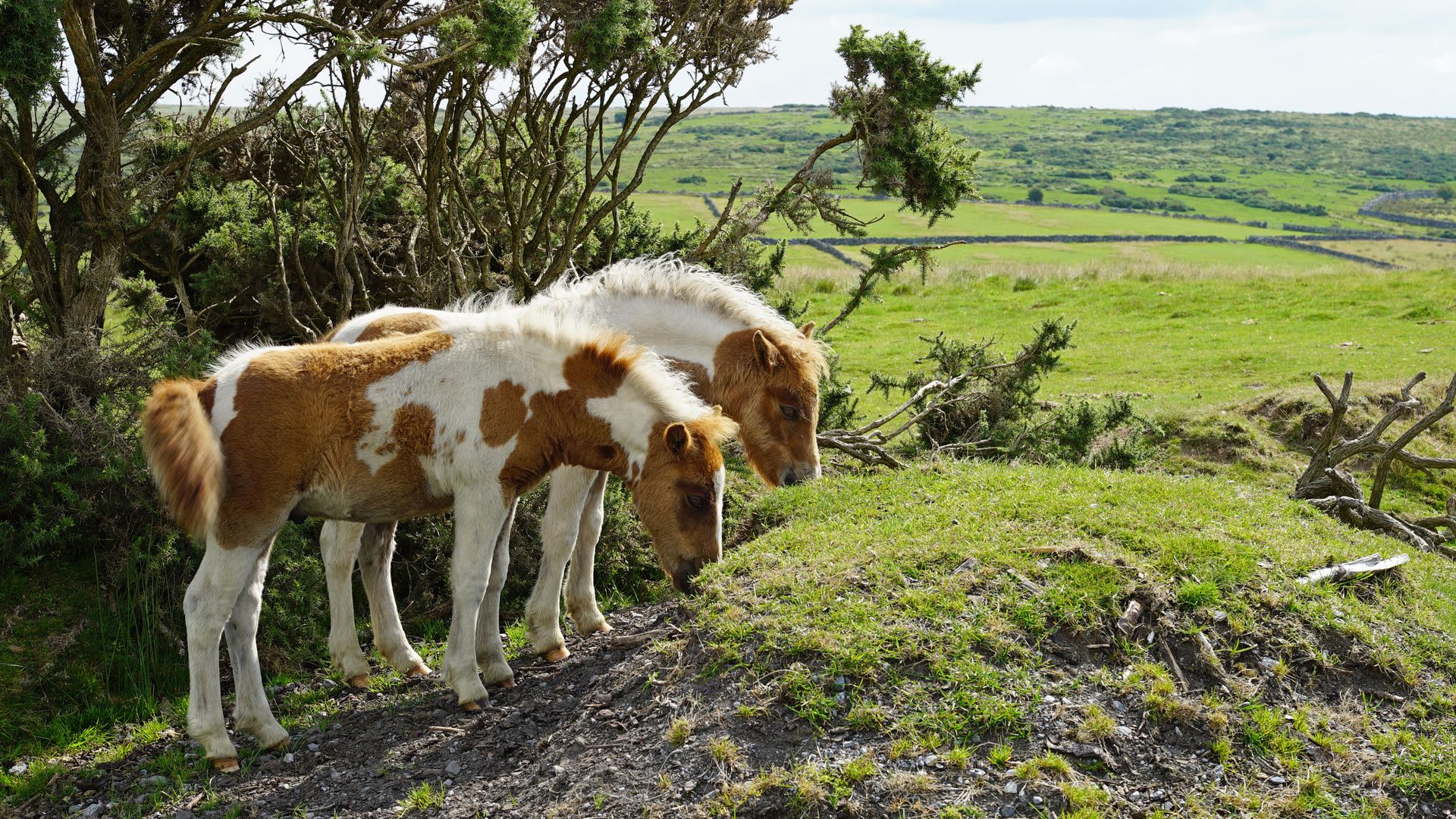
On the other side, farmers, pony owners, and local communities fear that such interventions could erode cultural heritage, damage livelihoods, and undermine the very ecosystems they aim to protect. Dartmoor ponies are not only a symbol of the moor but also contribute to tourism and local identity, making their potential cull a deeply emotive issue.
Experts underline that achieving biodiversity goals requires nuanced approaches that factor in the ecological roles of native species, including the ponies. Simply reducing numbers without considering the broader environmental context risks unintended consequences, such as invasive plant growth or loss of habitat diversity.
What Comes Next for Dartmoor’s Iconic Ponies?
As this debate intensifies, stakeholders are calling for greater dialogue and collaboration between environmental agencies, livestock owners, and conservation groups. Finding a sustainable path forward will necessitate balancing biodiversity objectives with the well-being of the ponies and the communities that care for them.
Potential solutions include adaptive grazing management techniques, targeted habitat restoration, and monitoring programs that allow pony populations to be maintained at ecologically viable levels. Such strategies aim to protect both biodiversity and cultural heritage without resorting to drastic culls.
Meanwhile, the public and policymakers will be watching closely as decisions unfold that could set important precedents for wildlife management on Dartmoor and beyond.
Why This Issue Is Critical
The Dartmoor pony controversy underscores the complexities of implementing biodiversity policies in real-world settings. It challenges us to rethink how conservation goals are pursued, especially in landscapes shaped by centuries of human-animal interaction. The outcome will influence not only the future of these ponies but also the broader conversation about sustainable environmental stewardship.
Ultimately, the debate highlights the need for solutions that honor both nature and the human communities intertwined with it.