

Dan Jarvis, recently appointed as the United Kingdom’s Defence Secretary, has made it clear that he is actively pursuing additional funding for the armed forces. His announcement signals a strategic shift towards bolstering military capabilities, while emphasizing fiscal responsibility.
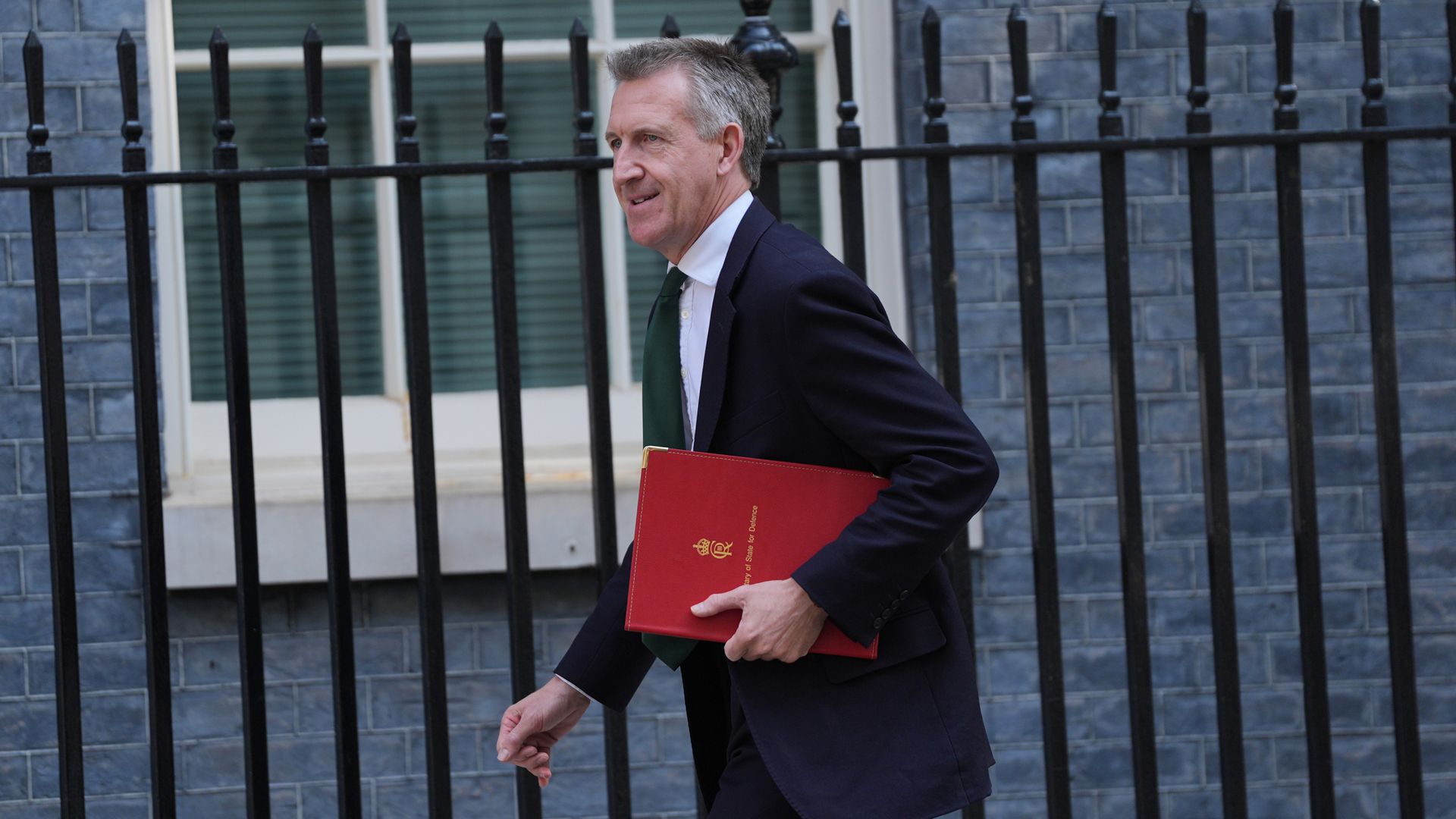
Dan Jarvis’ Vision for Defence Investment
However, Jarvis has emphasized that this ambition will not come “at any cost.” This caveat suggests a balanced approach, recognizing the importance of sustainable budgeting alongside strategic military enhancement. His leadership reflects a pragmatic understanding of the financial pressures facing the government, especially given competing demands across public services.
Why Additional Military Funding Matters Now
The call for extra funding arrives against a backdrop of rising global tensions and evolving security threats. The UK’s armed forces are tasked with responding to everything from conventional military threats to cyber warfare and emerging technologies.
Investing more in defence will enable the military to:
- Upgrade aging equipment and infrastructure.
- Enhance training and readiness of personnel.
- Develop cutting-edge capabilities in areas like artificial intelligence and space defence.
- Maintain the UK’s strategic influence on the global stage.
Jarvis’ intention to publish an investment plan reflects a broader government priority to ensure the military remains agile and capable amid these challenges. It also signals to allies and adversaries alike that the UK is committed to maintaining robust defence capabilities.
Balancing Ambition with Fiscal Responsibility
While Jarvis is pushing for increased defence spending, his caution about cost underscores a key tension in defence policy. The UK government must balance the urgent need for military modernization with the realities of budget constraints and economic pressures.
This approach suggests Jarvis will seek targeted investments rather than blanket increases. Strategic prioritization will likely focus on areas offering the greatest return on investment in terms of national security and operational effectiveness.
Moreover, his leadership may involve working closely with the Treasury and other government departments to align defence spending with broader fiscal goals. This could lead to a more integrated and sustainable defence funding model moving forward.
What Comes Next for UK Defence?
With Dan Jarvis at the helm, the UK’s defence sector stands at a pivotal moment. The forthcoming investment plan is expected to provide clarity on funding priorities and strategic objectives, offering a roadmap for future defence capabilities.
Jarvis’ balanced stance—advocating for necessary funding increases without compromising fiscal prudence—positions him as a steady hand during a time of uncertainty. How effectively he navigates this balance will shape the UK’s military strength and global role in the years ahead.
In summary, Jarvis’ push for extra funding underscores the UK government’s recognition of evolving security demands. His planned defence investment strategy aims to modernize the armed forces while maintaining economic discipline, charting a thoughtful course for the nation’s defence future.