

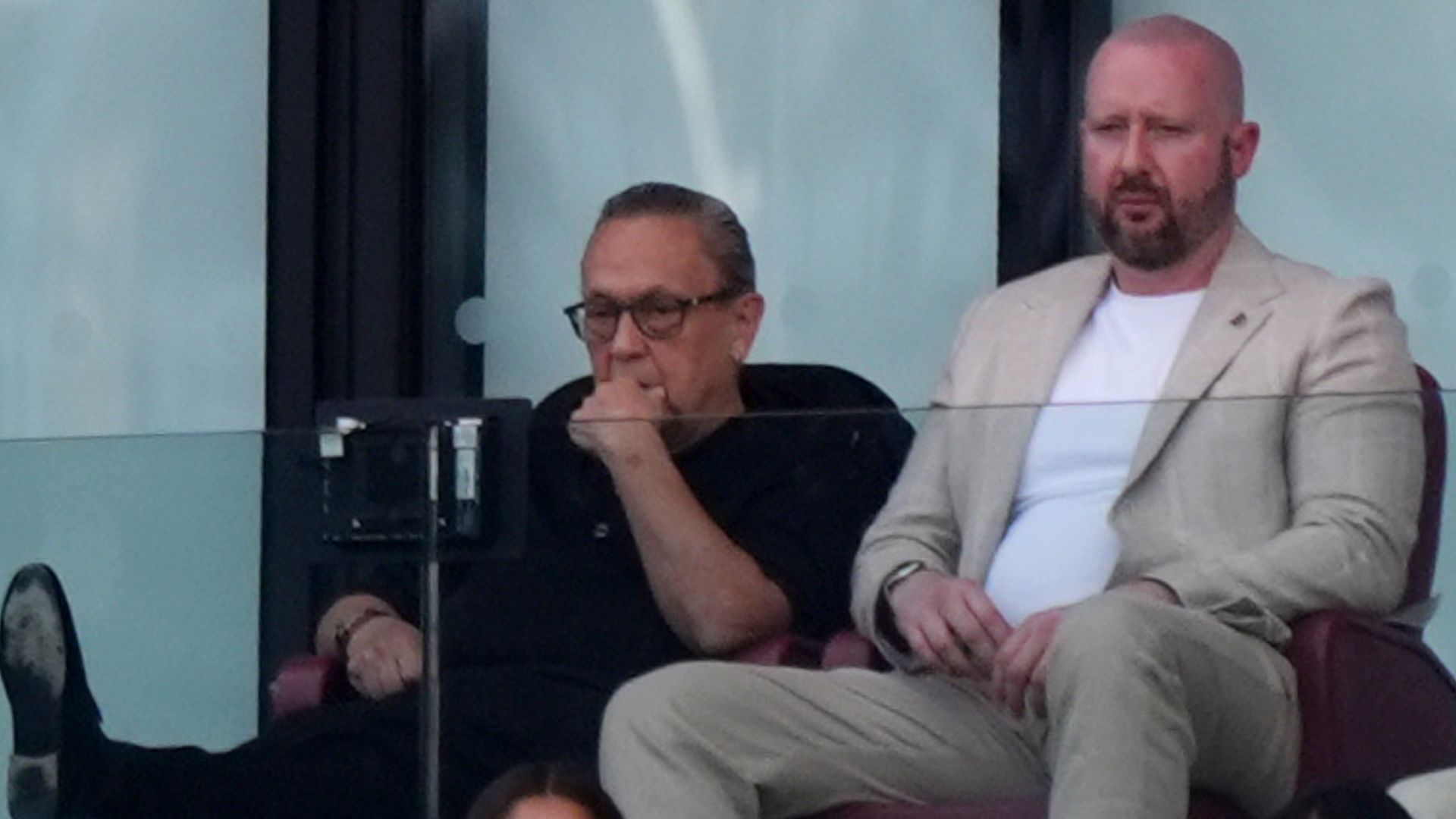
David Sullivan, co-owner of West Ham United, attended the club’s opening match of the season on Saturday, defying calls from the stadium’s owner to boycott the event following recent sexual misconduct allegations against him.
Controversy Surrounding Sullivan and the Matchday Attendance
The 79-year-old businessman faced intense scrutiny after allegations of sexual misconduct surfaced, prompting the stadium’s owner to advise him against attending West Ham’s first game of the new Premier League season. Despite this, Sullivan chose to be present at the London Stadium, drawing significant attention from fans, media, and club officials alike.
West Ham’s home ground, operated by a third-party owner, had urged Sullivan to distance himself from the event to maintain a respectful environment for supporters and staff. This request was part of wider concerns about the club’s image and the potential disruption Sullivan’s presence might cause amid ongoing investigations.
Background: Who Is David Sullivan and What Are the Allegations?
David Sullivan is a prominent figure in English football, having co-owned West Ham United since 2010. His involvement in football extends beyond ownership, as he has a notable history in the sports business industry. However, these recent allegations have cast a shadow over his reputation, stirring controversy within the club and the broader football community.
The accusations against Sullivan involve claims of sexual misconduct, which have yet to be legally resolved. Though Sullivan has denied any wrongdoing, the allegations have triggered widespread calls for accountability, with some fans and stakeholders demanding his resignation or at least a temporary withdrawal from club affairs.
West Ham United, meanwhile, has not publicly commented in detail on the matter, focusing instead on the team’s performance and season preparations. The club’s silence has left many supporters and observers eager for clarity on how the situation will be managed moving forward.
Why Sullivan’s Attendance Matters and What It Means for West Ham
Sullivan’s decision to attend the game despite advice to the contrary is significant for several reasons. First, it highlights the tension between club leadership and stadium management, illustrating the complexities that arise when multiple entities control different aspects of a football club’s operations.
Moreover, his presence at the match raises questions about the club’s stance on handling serious allegations against high-profile figures within its ranks. Supporters and critics alike are watching closely to see whether West Ham will take concrete action to address the issue or continue to allow Sullivan a visible role despite the controversy.
From a broader perspective, this incident underscores the challenges football clubs face in balancing business interests, public image, and ethical responsibilities. The Premier League, as a high-profile competition, often grapples with how to respond when prominent owners or executives become embroiled in scandal.
What Comes Next for West Ham and David Sullivan?
As the football season progresses, all eyes will remain on West Ham United and how they navigate the fallout from these allegations. The club’s leadership will need to carefully consider their next steps to preserve team morale, fan trust, and the organization’s integrity.
For David Sullivan, the pressure to address the situation transparently and responsibly will only intensify. Whether he remains an active figure within West Ham or steps back pending investigations will be a critical indicator of the club’s commitment to ethical governance.
Ultimately, this episode serves as a reminder that football clubs are not immune to broader societal issues and must uphold standards that reflect their community values. How West Ham handles this moment could set a precedent for how other clubs respond to similar challenges in the future.
Takeaway: A Defining Moment for West Ham United
David Sullivan’s attendance at West Ham’s opening match amid unresolved sexual misconduct allegations marks a defining moment for the club. It exposes the delicate balance between leadership roles and accountability, while testing the club’s ability to uphold integrity in the face of controversy.
As fans and stakeholders demand transparency and action, West Ham United stands at a crossroads. The decisions made now will resonate far beyond the pitch, shaping the club’s reputation and governance for years to come.