

The arrival of bluetongue disease on a second farm in Scotland has sparked urgent concern among farmers and animal health authorities. This development follows the nation’s first-ever confirmed case of the viral disease over the recent weekend, marking a significant and alarming milestone in the UK’s livestock health landscape.
What Happened: Bluetongue Detected on Multiple Farms
Bluetongue, a viral disease primarily affecting sheep but also cattle and other ruminants, has been officially identified on a second Scottish farm. This detection comes in the wake of the initial case that stunned the UK’s agricultural sector, which until now had remained free from the disease.
In addition to the two confirmed outbreaks, veterinary officials are actively investigating three further suspected cases. These investigations aim to determine whether bluetongue has spread more widely within Scotland or other parts of the UK. The confirmation of multiple sites underlines the urgency of containing the disease quickly to prevent a larger epidemic.
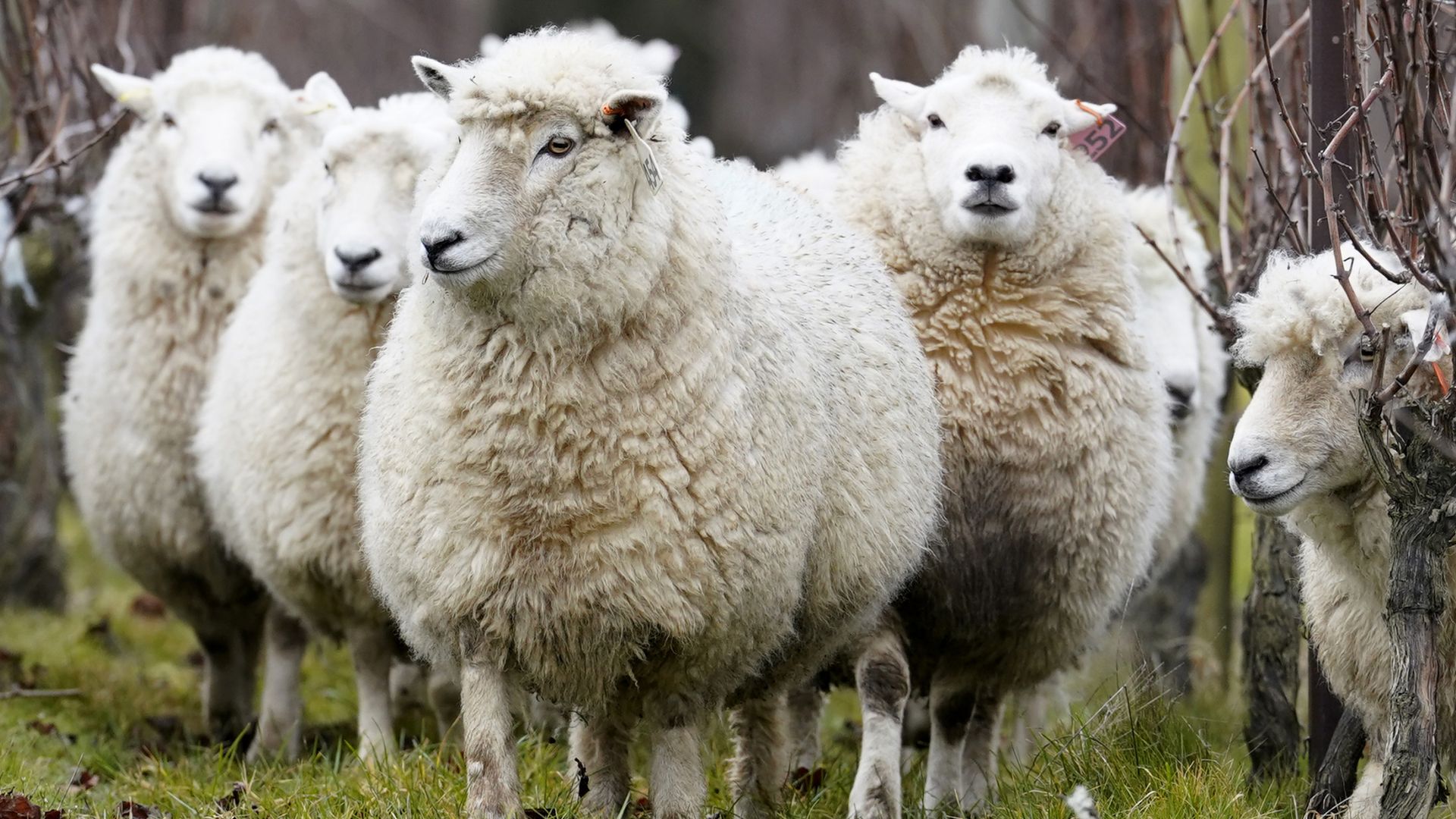
Bluetongue is spread by biting midges, tiny insects that transmit the virus among susceptible livestock. The disease can cause severe symptoms in sheep, including swelling of the face and tongue, fever, and sometimes death. Cattle often show milder symptoms but can act as reservoirs for the virus, complicating control efforts.
Why Bluetongue Matters: Risks and Impact on UK Agriculture
Until this recent outbreak, the UK had been free from bluetongue, partly thanks to its cooler climate and strict animal import controls. The arrival of the virus threatens not only animal health but also the economic stability of the country’s livestock industry.
The disease can devastate sheep populations, resulting in high mortality rates and significant production losses. Wool, meat, and milk outputs can all be impacted, affecting farmers’ livelihoods. Furthermore, bluetongue outbreaks prompt trade restrictions on animals and animal products, which can ripple through the agricultural economy.
Veterinary authorities stress that rapid detection and response are crucial to limiting the spread. Control measures include movement restrictions, insect control strategies, and vaccination campaigns where feasible. However, the presence of the disease in multiple locations complicates these efforts and raises the stakes for farmers and regulators alike.
What Comes Next: Containment and Surveillance Efforts Underway
Animal health agencies in Scotland and across the UK have mobilized to contain the outbreak. This includes close monitoring of at-risk farms, enhanced surveillance for new cases, and communication with farmers about recognizing symptoms and implementing biosecurity measures.
Authorities also emphasize the importance of reporting suspected cases immediately to enable swift action. The ongoing investigations into the three suspected cases will provide a clearer picture of the disease’s spread, guiding future containment strategies.
Research into the vector population—the biting midges—is also intensified, as controlling these insects is key to breaking transmission chains. Seasonal weather patterns and environmental factors influencing midge activity will be closely analyzed to predict and prevent further outbreaks.
Looking Ahead: The Stakes for UK Livestock Health
The emergence of bluetongue in Scotland marks a critical moment for UK livestock health management. It highlights vulnerabilities in biosecurity and the challenges posed by vector-borne diseases in a changing climate. The agricultural sector must adapt with increased vigilance, investment in disease control, and collaboration between farmers, veterinarians, and government bodies.
While the immediate priority remains containing the disease to protect animal welfare and agricultural productivity, the outbreak also serves as a wake-up call. Strengthening surveillance systems and preparedness plans will be essential to mitigate the impacts of bluetongue and other emerging animal diseases in the future.
Full details about the extent of the outbreak and the status of the ongoing investigations have not yet been released, but the situation continues to evolve rapidly as authorities work to safeguard the UK’s farming communities.