In the dead of night on March 16, a Pakistan-led airstrike shattered a drug rehabilitation centre along the Kabul-Jalalabad highway, leaving devastation in its wake and sparking anguished calls from families desperate for answers. The facility, a lifeline for many battling addiction, was struck at approximately 8:50 p.m. local time by three bombs, targeting multiple parts of the centre and igniting a massive blaze.
The Attack: A Night of Horror at the Rehab Centre
A doctor present during the strike, speaking anonymously due to restrictions imposed by the Taliban authorities, provided a harrowing eyewitness account of the attack. He described how one bomb struck a hangar-like structure where newly admitted patients were housed, while the other two bombs hit containers and wooden blocks sheltering patients, along with food storage facilities and offices used by administrative, security, and support staff.
The United Nations’ Fiona Frazer elaborated on the extent of the damage, highlighting that the bombs also hit the vocational training buildings within the hospital. These structures, primarily constructed from wood, contributed to a massive fire that engulfed large portions of the centre.
The UN report on the incident revealed the brutal nature of the casualties: shrapnel wounds and severe burns were the leading causes of death and injury. Many victims were so badly mutilated that identification was impossible, with some bodies reduced to dismembered parts.
“I have never seen such a horrific scene in my life,” the doctor recounted. “I walked amid dead bodies looking for anyone who was alive, listening for cries for help. The smell of burning flesh was everywhere.” This vivid description underscores the sheer terror and chaos that unfolded in those moments.
Personal Tragedy: Families Caught in the Crossfire
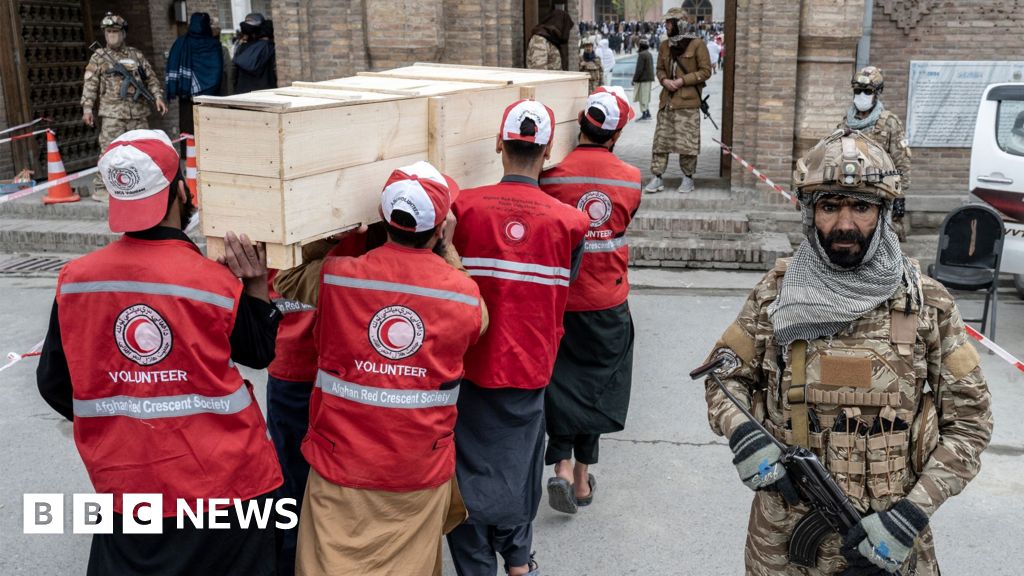
The strike’s human toll extends far beyond statistics. In eastern Kabul, Sediq Walizada received a phone call that would change his life forever. A relative informed him that the rehabilitation centre where his brother, Mohammad Anwar Walizada, had been admitted just four days earlier, had been bombed. Mohammad Anwar, 35, was battling an addiction to Tablet-K, a prescription opioid increasingly misused in Afghanistan’s urban centres.
For Sediq and countless others, the bombing ignited a desperate search for loved ones amid the ruins. The rehabilitation centre, known as Omid, was a crucial facility providing support and treatment to those struggling with substance abuse. Its destruction not only caused immediate loss of life but also fractured a fragile network of recovery in a country grappling with rising addiction rates.
Context and Consequences: Why the Attack Matters
The bombing of this drug rehabilitation centre raises profound questions about the wider conflict dynamics between Pakistan and Afghanistan, and the devastating impact on civilian infrastructure. Situated on a major highway linking Kabul and Jalalabad, the centre was far from a military target, emphasizing the tragic collateral damage of ongoing tensions in the region.
Afghanistan faces a mounting drug addiction crisis, fueled by widespread availability of opioids like Tablet-K, which has become a significant urban health challenge. Rehabilitation centres such as Omid play an essential role in combating addiction, offering medical treatment, psychological support, and vocational training to help patients reintegrate into society.
Destroying such facilities disrupts not only individual recovery journeys but also the broader public health response to drug dependency. The loss of vocational training buildings further undermines rehabilitation efforts, stripping patients of skills and hope for sustainable futures.
Additionally, the inability to identify many victims due to the severity of their injuries complicates mourning and closure for families, who now face agonizing uncertainty about the fate of their loved ones.
Looking Ahead: Calls for Accountability and Healing
As families like the Walizadas search for their missing relatives, the international community and regional powers face urgent pressure to address the humanitarian fallout of cross-border conflicts. Transparency about the circumstances of the strike, accountability for civilian casualties, and renewed efforts to protect critical health infrastructure are vital steps toward mitigating further suffering.
The attack on the Kabul rehabilitation centre starkly illustrates how geopolitical tensions can inflict profound human costs, especially on vulnerable populations seeking recovery and stability. Protecting such sanctuaries must become a priority amid ongoing regional instability.
For now, the survivors and families of victims grapple with grief and unanswered questions in the shadow of a tragedy that has shattered lives and undermined hope. The path forward demands both compassionate support and concerted diplomatic efforts to prevent future devastation.