

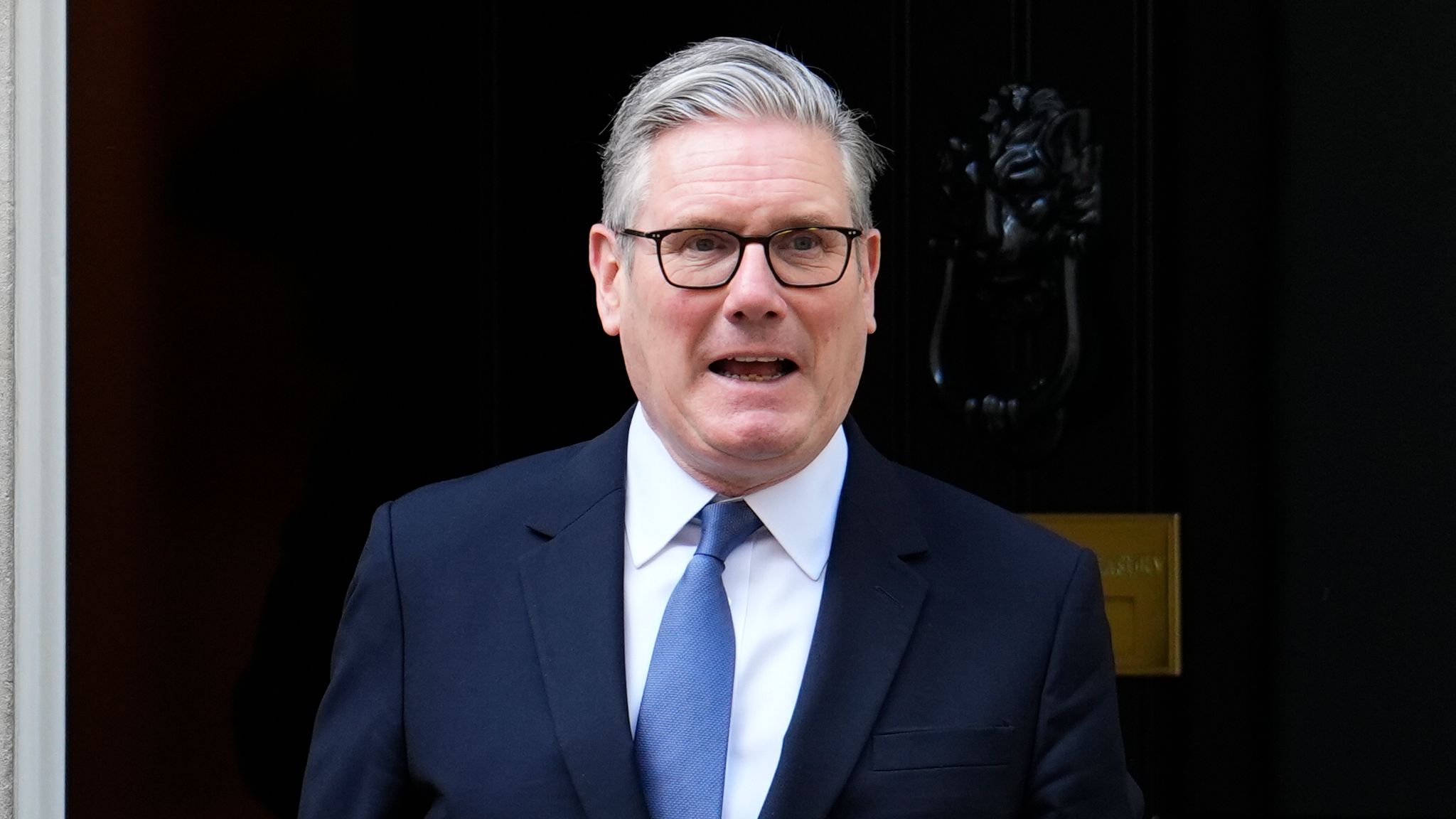
Sir Keir Starmer has firmly stood by his decision to dismiss Sir Olly Robbins, the senior civil servant at the centre of the controversial vetting process for Peter Mandelson‘s appointment as ambassador to Washington. Despite mounting political pressure and calls for his resignation, the Prime Minister insists he acted appropriately and signals his determination to lead Labour into the next general election.
The Mandelson Vetting Controversy Explained
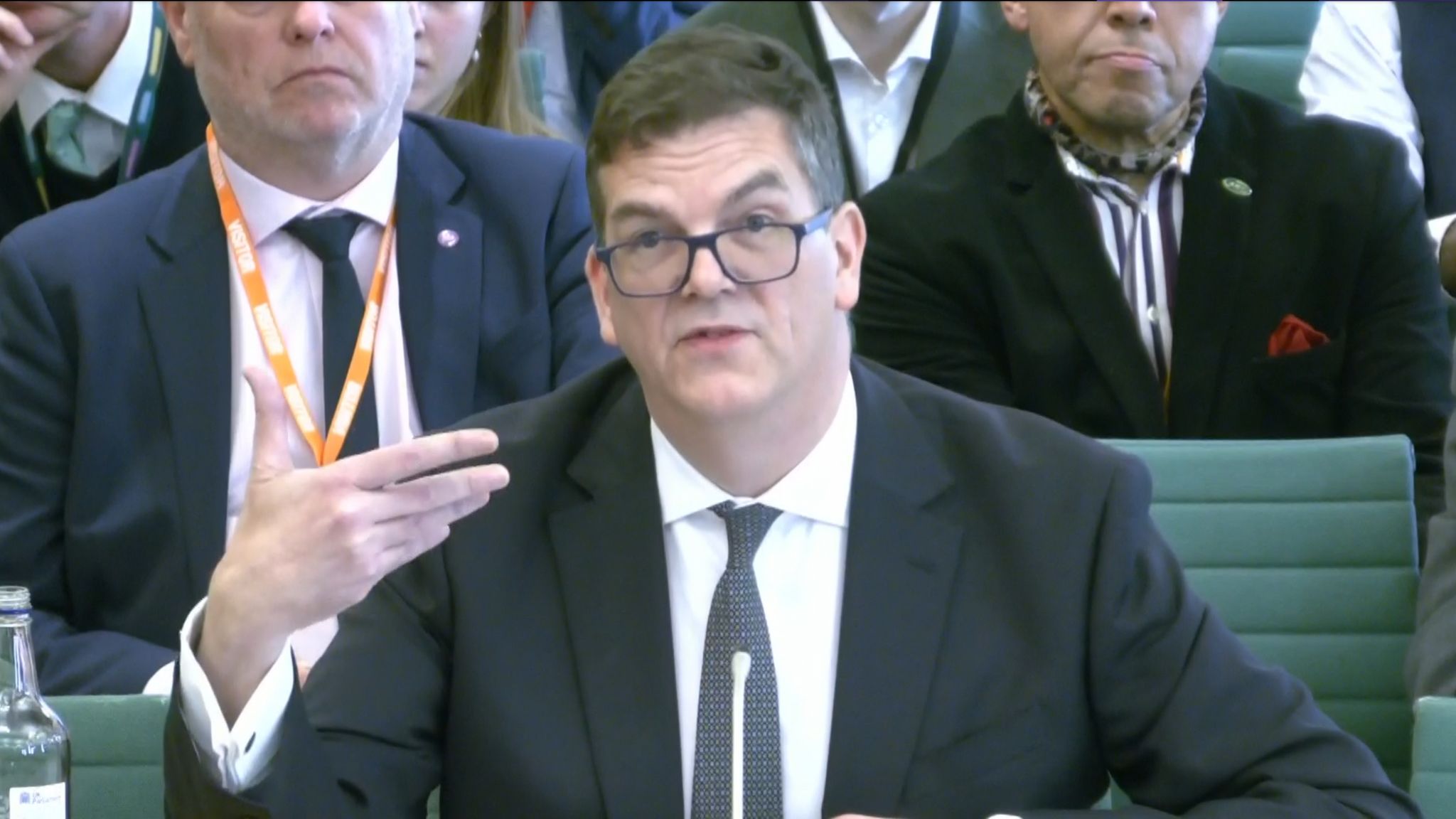
Last week, Sir Olly Robbins was abruptly removed from his position after it emerged he failed to inform the Prime Minister that Peter Mandelson, the former Labour peer and prominent political figure, had not passed the necessary security checks required for his ambassadorial role. Mandelson’s appointment, scheduled for December 2024, sparked intense scrutiny when the security vetting process uncovered “double red flags” — critical concerns that should have prevented his clearance.

Sir Olly, who previously served as the chief official at the Foreign Office, described an “atmosphere of pressure” and “constant chasing” from Downing Street during the vetting procedure. He suggested that government officials were eager to expedite the clearance given the political importance of Mandelson’s appointment. However, Sir Keir has emphatically rejected the notion that any improper pressure influenced the vetting outcome.
Starmer’s Perspective: Everyday Government Pressure vs. Security Integrity
During Prime Minister’s Questions on Wednesday, Sir Keir drew a clear distinction between routine government urgency and inappropriate interference. He explained that the pressure to “get this done quickly” is standard in government operations and described it as the “everyday pressure of government.” However, he categorically denied any pressure existed to bypass or disregard the strict security vetting protocols.
In an interview with The Sunday Times, Sir Keir elaborated on this difference. He emphasized that while officials often face time constraints and demands for efficiency, no pressure was applied to override security concerns. He quoted Sir Olly as being “really clear in his mind” that such improper pressure was never exerted.
Starmer also expressed regret over the handling of the situation but stood firm on the principle that critical security information should always be reported to the Prime Minister. “When there’s a double red flag not to give clearance [showing] high concern, then I’m sorry. I’m sorry,” he said. “But I do not accept the argument that that is something which should not be told to the prime minister.”
Political Fallout and What’s Next
Pic: PA
The Mandelson vetting scandal continues to reverberate through the political landscape, intensifying scrutiny on Sir Keir and his administration. Questions remain about whether the Prime Minister should have probed deeper into Mandelson’s security clearance before approving the appointment. Sir Keir dismissed suggestions that he should have been more inquisitive, saying, “When I’m told there’s security clearance, should I go back and quiz officials and say ‘are you telling me the truth?'”.
Parliamentary inquiries are set to continue next week, with Morgan McSweeney, Sir Keir’s former chief of staff, scheduled to appear before a committee of MPs investigating the matter. Meanwhile, opposition parties and some within Labour have called for Sir Keir’s resignation, citing the vetting failure as a serious breach of trust.
The controversy arrives at a challenging moment for Labour, with recent opinion polls showing poor prospects for the party in the upcoming local and parliamentary elections in England, Scotland, and Wales.
Why This Matters
The Mandelson vetting saga underscores critical issues around government transparency, security protocols, and accountability at the highest levels. Ambassadorial appointments require rigorous vetting not only to ensure national security but also to maintain public confidence in government processes. Failures in these areas can erode trust and destabilize political leadership.
Sir Keir’s response to the crisis — defending his actions and refusing to resign — signals his commitment to weather the storm and pursue his political agenda. His stance highlights the delicate balance leaders must strike between operational pressures and safeguarding institutional integrity.
Looking Ahead: Starmer’s Determination to Fight On
Despite the intense pressure and speculation, Sir Keir Starmer has made clear his intention to remain in office and contest the next general election. His resolve reflects a broader determination to navigate through political challenges and restore Labour’s standing ahead of critical votes.
As investigations proceed and the political debate intensifies, the Mandelson vetting controversy will remain a defining test of Sir Keir’s leadership and the government’s commitment to security and accountability.