

A delivery driver has been sentenced to three years in prison after orchestrating a sophisticated cheating operation that helped university students fraudulently pass their exams, earning over £300,000 in illicit profits.
The Cheating Network Uncovered
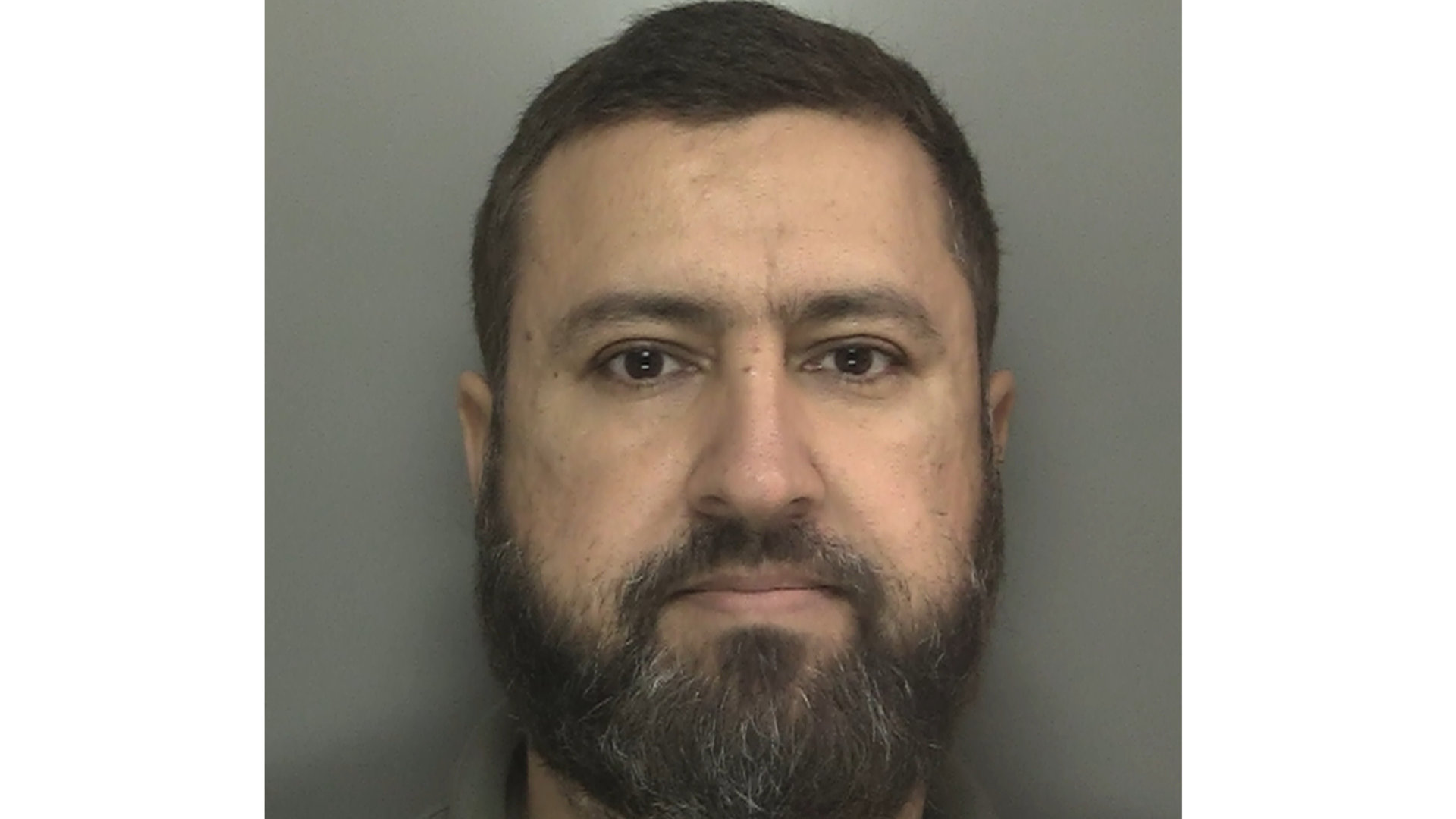
Authorities uncovered a large-scale academic fraud scheme involving a delivery driver who acted as a covert tutor and facilitator. Over an extended period, he exploited his position to aid numerous university students in bypassing genuine exam assessments. By providing unauthorized assistance during exams, he compromised the integrity of the academic process and enabled students to obtain qualifications under false pretenses.
The investigation revealed that the driver’s role extended beyond simple tutoring. He coordinated the delivery and exchange of exam materials and answers, effectively managing a cheating network that profited handsomely at the expense of educational standards. The illicit operation amassed more than £300,000, highlighting the commercial scale of the fraud.
Why This Matters: Impact on Education and Society
This case underscores the pressing challenges universities face in maintaining academic integrity amid rising pressures on students and sophisticated cheating methods. The involvement of a delivery driver as a key facilitator illustrates how fraudsters adapt to exploit seemingly unrelated roles to conduct illicit activities.
Academic cheating not only devalues the hard work of honest students but also undermines public trust in educational institutions. When unqualified individuals earn degrees through dishonest means, it jeopardizes professional standards and can have far-reaching consequences in fields where competence is critical.
What Comes Next: Combating Academic Fraud
In response to this and similar incidents, universities are intensifying efforts to detect and prevent cheating. This includes deploying advanced surveillance technologies during exams, strengthening identity verification procedures, and fostering a culture of academic honesty among students.
Legal repercussions for facilitators and participants in cheating schemes are also becoming more stringent, as demonstrated by the three-year jail sentence in this case. Such measures aim to deter would-be offenders and protect the credibility of higher education.
Closing Takeaway
The sentencing of the delivery driver highlights the serious consequences of exploiting academic systems for financial gain. As educational institutions continue to evolve their safeguards, maintaining the integrity of examinations remains paramount. This case serves as a stark reminder that cheating undermines not only individual futures but the broader trust in qualifications that society relies upon.