

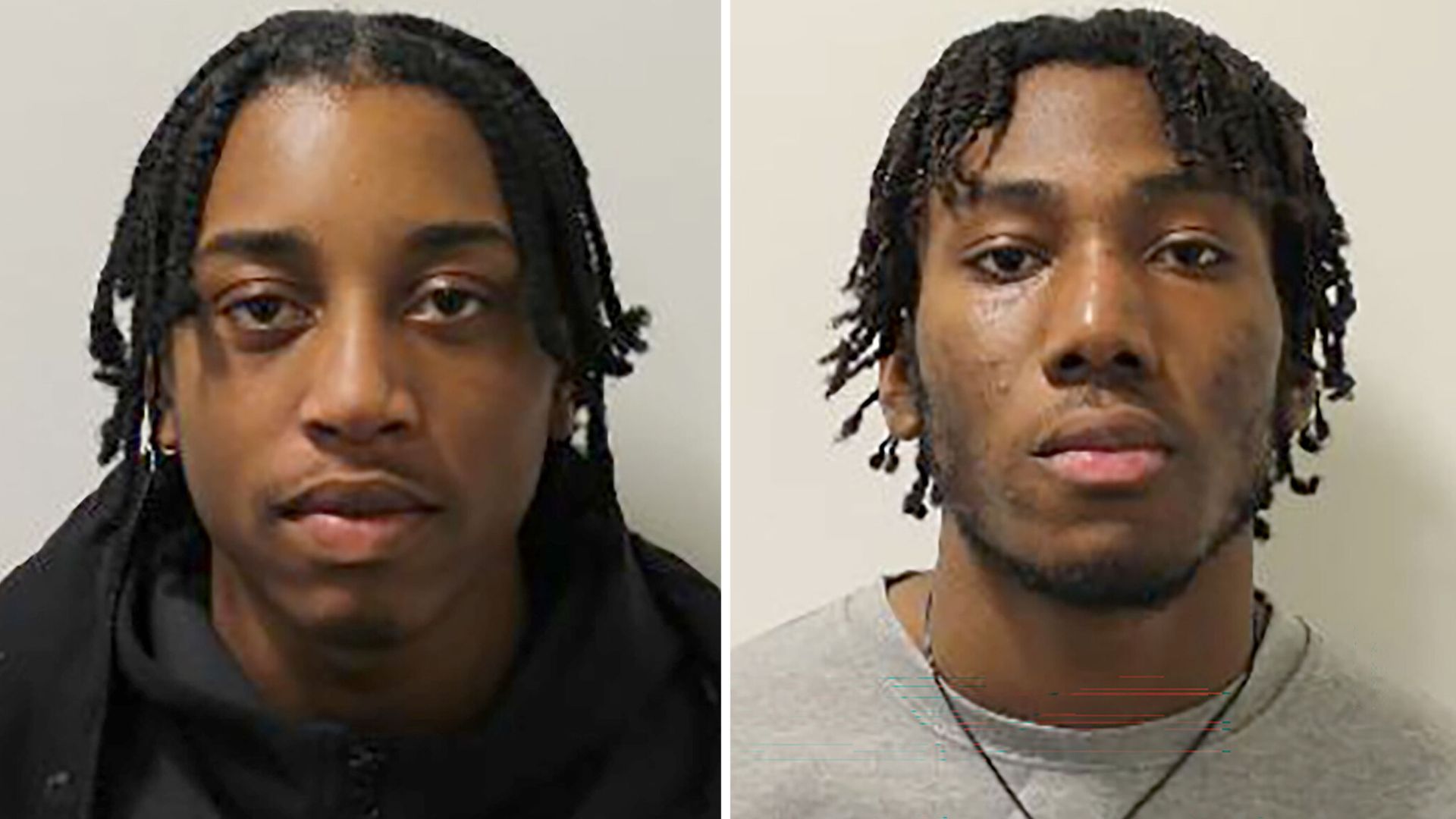
Two drill rappers have been convicted of murdering an 18-year-old man in a violent incident that escalated from tensions sparked on social media. The case underscores the deadly consequences of online gang rivalries spilling into real-world violence.
The Crime and Conviction
Authorities found the two defendants guilty of deliberately killing the young man amid an ongoing gang dispute. The victim, only 18 years old, was shot dead in what prosecutors described as a premeditated attack linked directly to the hostile exchanges that began on social media platforms.
Drill music, a genre often associated with raw depictions of urban street life, has been controversially connected with gang conflicts in several cities. In this case, the rappers’ involvement in the crime highlighted how online feuds can quickly escalate into lethal confrontations.
Social Media’s Role in Escalating Violence
The murder was the tragic climax of a feud that started with online disputes between rival groups. Social media channels became battlegrounds for taunts, threats, and accusations, fueling animosity between the parties involved. This digital hostility translated into real-life aggression, demonstrating the dangerous power of online platforms to inflame tensions.
Experts warn that drill music videos and social media posts often act as catalysts for violence by glamorizing or highlighting gang rivalries. The rapid spread of provocative content online has made it easier for conflicts to intensify and for criminal acts to be incited or justified.
Impact on Communities and the Drill Music Scene
The conviction of these drill rappers has sparked widespread discussion about the broader impact of gang-related violence on communities and the music industry. Families affected by the victim’s death are left grappling with the devastating consequences of a conflict that began in cyberspace but ended with fatal real-world consequences.
Law enforcement agencies have increased efforts to monitor social media to prevent similar incidents. At the same time, some advocates call for a deeper examination of how the drill music culture both reflects and influences the lived experiences of young people caught in environments marked by crime and deprivation.
This case serves as a grim reminder that the combination of social media and gang rivalries can turn deadly, and it highlights the urgent need for proactive measures to address the root causes of violence and the role of digital platforms in escalating conflicts.
What This Means Going Forward
The conviction sets a significant precedent for holding artists accountable when their actions cross legal lines into violence. It also shines a spotlight on the complex intersection of music, social media, and gang culture.
Communities, law enforcement, and social media companies face the challenge of balancing free expression with public safety. Strategies aimed at intervention and prevention will be critical to curbing the cycle of violence linked to online provocations.
Ultimately, this case illustrates the urgent need for comprehensive approaches that address not only the symptoms of gang violence but also the underlying social and economic factors driving young people toward these destructive paths.
Full details of the trial have yet to be released, but the verdict marks a pivotal moment in the ongoing battle against gang-related violence fueled by digital interactions.