

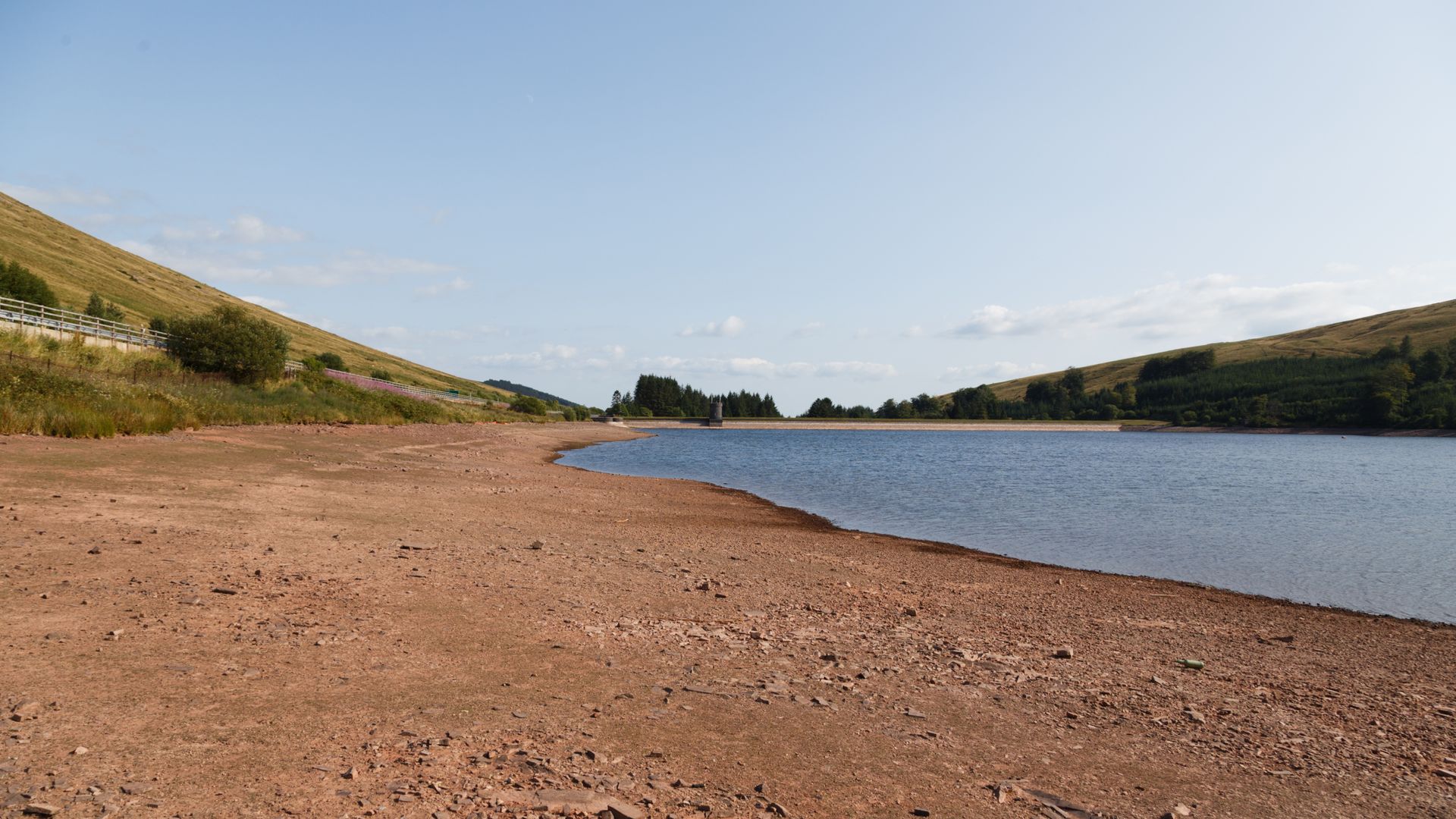
Wales has officially entered a drought crisis, with the entire country now under formal drought conditions. This unprecedented declaration comes amid July shaping up to be the driest month ever recorded in Welsh history, marking a severe water shortage across the region.
What Led to the Drought Declaration?
Across Wales, rainfall levels have plummeted dramatically, with prolonged dry spells and soaring temperatures contributing to this alarming situation. Meteorological data shows that July’s precipitation is on track to break all previous records for dryness, intensifying concerns over water scarcity.
The drought declaration follows comprehensive assessments by environmental agencies monitoring soil moisture, river flows, groundwater levels, and reservoir capacities. These indicators confirmed that water supplies have dropped below critical thresholds, threatening ecosystems, agriculture, and public water availability.
Experts note that the combination of climate patterns and increasing demand for water during the summer months has exacerbated the strain on Wales’s water resources. This dry spell is not just a short-term anomaly but part of a worrying trend linked to climate change, with hotter, drier summers becoming more frequent.
Impact on Communities and Environment
The drought affects every corner of Wales, from rural farming communities to urban centers. Farmers face challenges in sustaining crops and livestock due to insufficient irrigation and dwindling natural water sources. This threatens local food production and agricultural livelihoods.
Urban residents are also feeling the impact, with water companies implementing restrictions to manage dwindling supplies. Hosepipe bans, limitations on outdoor water use, and awareness campaigns aim to reduce consumption and preserve reservoirs.
Environmental consequences are equally concerning. River ecosystems risk degradation as water levels fall, threatening fish populations and wildlife dependent on aquatic habitats. Low water flows can lead to increased water temperatures and reduced oxygen levels, stressing native species.
Moreover, the dry conditions elevate wildfire risks, especially in forested and heathland areas, posing dangers to both nature and human safety. Authorities are on high alert to prevent and respond to potential fire outbreaks.
What This Means for Wales Going Forward
The nationwide drought declaration signals an urgent need for adaptive water management strategies. Authorities are calling for collective action to conserve water and mitigate the drought’s effects. This includes encouraging efficient water use, investing in infrastructure to capture and store water, and exploring sustainable solutions to future-proof supplies.
The situation also underscores the broader challenges posed by climate change, emphasizing the importance of resilience-building in Welsh communities and ecosystems. Policymakers are urged to integrate drought preparedness into planning frameworks to safeguard against recurring dry periods.
For residents, this drought serves as a stark reminder of the fragility of natural resources and the critical role of individual and collective responsibility in water conservation.
As Wales confronts this historic drought, ongoing monitoring will be vital to track progress and adjust responses. While full recovery depends on future weather patterns and effective management, the current declaration highlights the immediate and long-term pressures facing the nation’s water security.
In sum, Wales’s entire landscape is grappling with a drought of historic proportions. The declaration brings to light the urgent necessity to adapt, conserve, and prepare for a future where water scarcity may become a recurring reality.