Global pop icon Dua Lipa has launched a $15 million lawsuit against tech giant Samsung, accusing the company of using her image on television packaging without her consent. This high-profile legal battle sheds light on the complexities of celebrity image rights and corporate marketing practices.
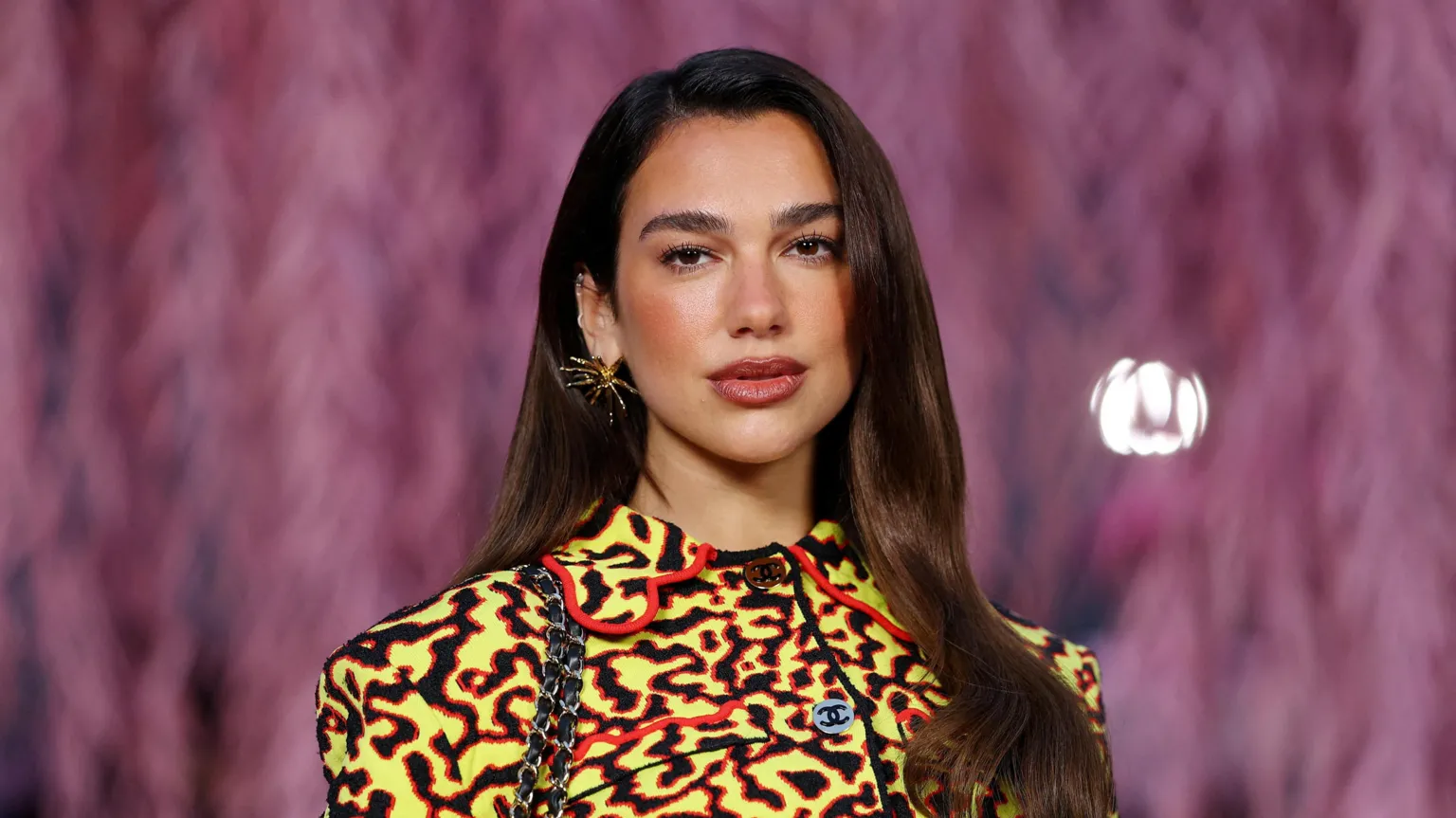
What Happened: Unauthorized Use of Dua Lipa’s Image
The lawsuit, filed last Friday in the US District Court for the Central District of California, alleges that Samsung prominently displayed a photograph of Dua Lipa’s face on the packaging of several television models sold across the United States. According to the complaint, Samsung exploited this image without obtaining permission from Lipa or her representatives.
Samsung’s packaging reportedly capitalized on Lipa’s worldwide fame to boost sales, a move the singer’s legal team describes as an attempt to “improperly capitalize on Ms. Lipa’s hard-earned success.” The lawsuit includes claims of copyright infringement, trademark infringement, and misappropriation of Lipa’s likeness.
The photograph at the center of the dispute was taken during Dua Lipa’s electrifying 2024 performance at the Austin City Limits Festival. Importantly, Lipa holds the copyright to this image, granting her exclusive rights over its use. She only became aware of Samsung’s use of her image on their TV boxes in June 2025, after fans began sharing photos on social media, dubbing the product the “Dua Lipa TV Box.”

Samsung’s Response and the Legal Stakes
Samsung has publicly denied any wrongdoing. In a statement to the BBC, the company said the image was provided by a third party and that they “used [it] only after receiving explicit assurance from the content partner that permission had been secured.” This defense suggests Samsung believed the rights to use the image had been properly cleared, highlighting the often complex chain of licensing in global advertising.
However, the lawsuit challenges this claim, emphasizing that Samsung did not directly seek permission from Lipa or her management. The legal action raises important questions about how companies verify image rights and the responsibilities they hold when using celebrity likenesses for commercial gain.
Why This Lawsuit Matters
This case underscores the increasing vigilance of celebrities in protecting their image and brand in an era where digital media and advertising blend seamlessly. For Dua Lipa, who has built a global brand through her music and persona, unauthorized use of her image threatens not only her personal rights but also the commercial value of her likeness.
For Samsung and other corporations, the legal battle highlights the critical importance of thorough rights clearance and due diligence when incorporating third-party content into marketing materials. Missteps can lead to costly lawsuits and damage to corporate reputation.
Moreover, this lawsuit could set a precedent for future cases involving celebrity images in product marketing, particularly in an industry where packaging and branding are vital tools for consumer engagement.
What Comes Next
The lawsuit is still in its early stages, with both parties likely to engage in discovery and negotiations. If the court finds in favor of Dua Lipa, Samsung could face significant financial penalties and be compelled to recall or alter packaging. Conversely, a ruling for Samsung could affirm the protections companies rely on when sourcing images through third-party content providers.
For fans and consumers, the case offers a glimpse into the behind-the-scenes legal complexities that arise when art, commerce, and celebrity culture intersect.
Takeaway: The Power and Protection of Celebrity Likeness
Dua Lipa’s $15 million lawsuit against Samsung serves as a powerful reminder that a celebrity’s image is a valuable asset protected by law. In an age dominated by visual media, how that image is used—especially by large corporations—can have significant legal and financial consequences.
As this case unfolds, it will be closely watched by artists, marketers, and legal experts alike, potentially reshaping how celebrity likeness rights are managed in advertising campaigns worldwide.