

The surge in electric scooter use has brought convenience and eco-friendly travel to city streets, but it also carries alarming safety risks. New research reveals that riders of e-scooters are three times more likely to suffer traumatic injuries involving the brain and internal organs than cyclists or motorcyclists. This eye-opening finding challenges common perceptions about the safety of e-scooters and raises urgent questions about rider protection and urban transport policies.
Understanding the Elevated Injury Risks for E-Scooter Riders
Electric scooters have become a popular mode of transport in urban centers worldwide, celebrated for their affordability and ease of use. However, a recent comprehensive study analyzed hospital data and injury reports, uncovering a stark contrast in injury severity between e-scooter riders and those using traditional two-wheeled vehicles like bicycles and motorcycles.
The study found that e-scooter riders suffer from a disproportionately high number of traumatic injuries, particularly to the head and vital internal organs. These injuries often result in longer hospital stays, complex medical treatments, and increased chances of long-term disability. In fact, the risk of sustaining such trauma was approximately three times greater than for cyclists and motorcyclists.
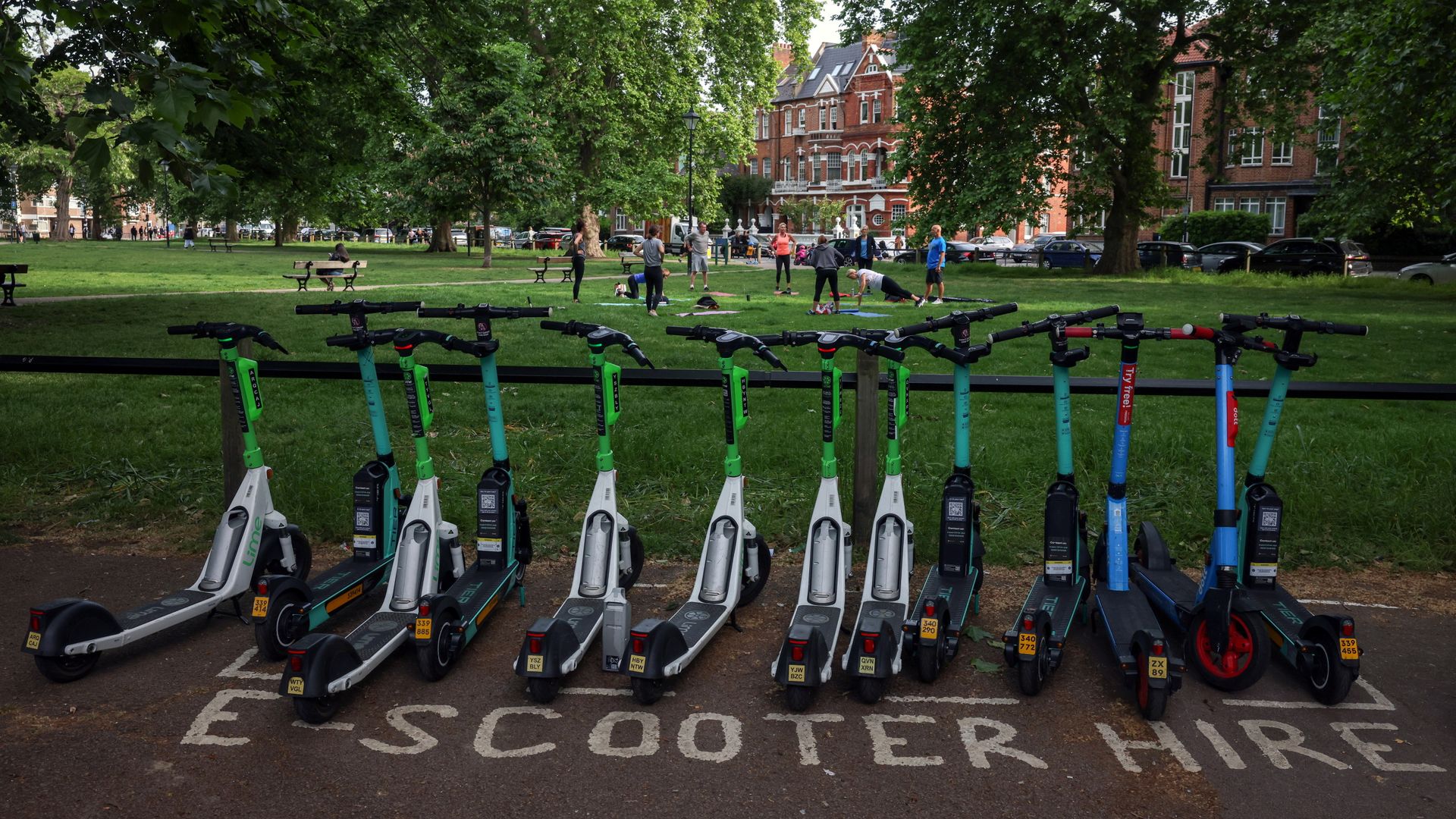
Experts attribute this heightened risk to several factors unique to e-scooters. Unlike motorcycles, e-scooters typically lack protective features such as robust frames and are less stable due to smaller wheels. Unlike bicycles, e-scooter riders often travel at comparable speeds but with less experience and fewer safety precautions. Additionally, many e-scooter riders neglect helmet use, amplifying vulnerability to head trauma.
Why E-Scooter Injuries Are More Severe
The mechanics of e-scooter accidents contribute significantly to the severity of injuries. Riders often fall forwards or collide with stationary objects, leading to direct impacts on the head and torso. The compact design of e-scooters means less physical buffering during crashes compared to motorcycles, and their smaller wheels are more susceptible to uneven terrain or obstacles, increasing the likelihood of sudden falls.
Moreover, the demographic profile of e-scooter users tends to skew younger and less experienced in handling motorized vehicles, which can contribute to riskier riding behaviors. The lack of formal training requirements for e-scooter use also means many riders are unfamiliar with safe operating practices, traffic rules, and emergency responses during a crash.
Helmet usage remains a critical factor. While motorcyclists often wear protective gear mandated by law, and cyclists are increasingly adopting helmets, e-scooter riders frequently ride without any head protection. This omission drastically increases the risk of traumatic brain injuries, which are among the most common and serious consequences reported in the study.
Implications for Public Safety and Urban Transportation
The study’s findings carry significant implications for policymakers, urban planners, and public health officials. As e-scooters become more prevalent, cities must reassess infrastructure, regulations, and educational campaigns to mitigate these risks.
Implementing mandatory helmet laws for e-scooter riders could be a vital step toward reducing head injuries. Moreover, creating safer riding environments with dedicated lanes and improved road surfaces can help prevent accidents caused by road hazards. Public awareness campaigns focusing on safe riding practices and legal responsibilities may also curb risky behaviors among new riders.
From a healthcare perspective, the increased burden of severe e-scooter injuries calls for enhanced emergency response protocols and trauma care readiness. Hospitals and trauma centers need to recognize the unique injury patterns associated with e-scooter accidents to provide timely and effective treatment.
Urban transport authorities should also consider integrating e-scooter safety into broader mobility strategies, balancing convenience with rider protection. Collaborations between e-scooter companies, governments, and safety experts could lead to innovative design improvements, such as speed limiters, enhanced lighting, and stability features.
Looking Ahead: Balancing Convenience with Safety for E-Scooter Riders
The rise of e-scooters reflects a shift toward greener, more flexible urban mobility options. However, this study underscores the urgent need to address the hidden dangers riders face. As cities embrace e-scooters, they must prioritize safety measures that protect riders from severe traumatic injuries.
Enhancing safety standards, enforcing protective gear usage, and educating riders will be crucial steps in reducing the disproportionate injury risks linked to e-scooters. Ultimately, achieving a balance between the convenience of micromobility and the well-being of riders will require coordinated efforts from all stakeholders.
Understanding these risks is essential not only for current e-scooter users but also for anyone involved in shaping the future of urban transportation. As the popularity of e-scooters continues to grow, so does the responsibility to ensure that this mode of travel is as safe as it is accessible.