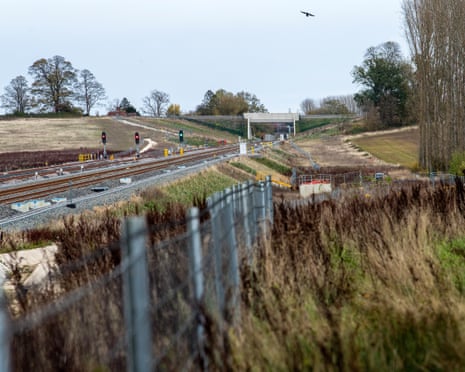
Residents of Winslow, Buckinghamshire, wake to the distant rumble of freight trains passing through a brand-new station — a stark reminder that the East West Rail line is operational, yet passenger trains remain conspicuously absent. This puzzling situation has left locals frustrated, as a fully constructed railway sits idle without serving the commuters it was meant to connect.

The Promise of East West Rail and Its Current Standstill
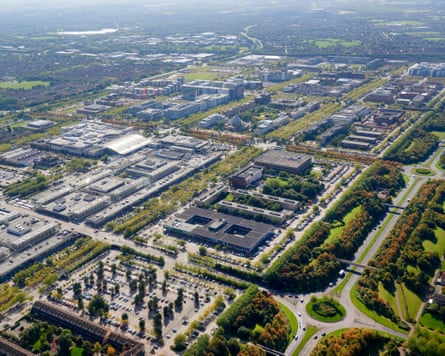
For over a decade, the UK government has championed the East West Rail project, a vital transport link designed to connect Oxford and Cambridge via Milton Keynes. This corridor is central to the government’s vision of fostering a thriving “tech arc,” often dubbed the UK’s answer to Silicon Valley, aimed at driving housing, jobs, and economic growth across the region.

The first phase, spanning from Oxford to Milton Keynes, was completed by late 2024, and freight trains have been running through since then. Yet, the much-anticipated passenger services have failed to commence. In January 2025, Chancellor Rachel Reeves highlighted the railway as a cornerstone of the economic strategy, predicting passenger trains would begin running imminently under Chiltern Railways’ management starting March 2025.

Instead, no passenger trains have run, and the launch date has been pushed back repeatedly—from spring to autumn, then to the end of 2025. Currently, there is no confirmed timetable for when passengers will finally be able to board these trains.

Why Are Passenger Services Delayed?
The delay has sparked growing frustration among local MPs and residents, especially those in newly built homes near Winslow station who were promised convenient commuter links to Milton Keynes, Oxford, and London.

Callum Anderson, MP for Buckingham and Bletchley, acknowledges the community’s irritation: “People can see it and hear it but they can’t use it.” While he urges caution against speculation and blaming any single party, many suspect a contentious dispute with railway unions is at the heart of the impasse.
The main sticking point appears to be the staffing model for the trains. Chiltern Railways initially planned to operate the new two-carriage trains with driver-only operation, a practice already common on several UK routes. However, unions such as the RMT and Aslef vehemently oppose this, insisting on a guard’s presence for safety reasons. Although both the Department for Transport (DfT) and the unions deny this dispute is the sole cause of the delay, it remains widely regarded as a major hurdle.
A March 2025 letter from Rail Minister Peter Hendy to Anderson cited the unexpected July 2024 general election as a factor disrupting contract negotiations with Chiltern. The letter also mentioned the need to complete train modifications, driver training, and the formal handover of Winslow station, but stressed that “future staffing arrangements also remain to be agreed.”

Transport Secretary Heidi Alexander recently confirmed in Parliament that Chiltern is working on rolling stock modifications, station completion, and staff training but offered no clear timeline for passenger service commencement.

Local Voices Speak Out
Independent councillor Diana Blamires of Winslow has organized petitions and protests to demand answers. She dismisses the DfT’s justifications as “nonsense” and highlights the disconnect between operational freight services and stalled passenger trains.

“People moved here expecting easy train access to jobs in London, Milton Keynes, Oxford, or Bicester,” Blamires says. “Now, they rely on buses and endure expensive, difficult commutes. The delay has disrupted lives and hindered the area’s economic potential.”
Olly Glover, Liberal Democrat MP for Didcot and Wantage, criticizes the government’s handling of the project, calling the election-related delay an excuse and pointing to union disputes as the only credible cause. He warns that without a functioning railway, the ambitious Oxford-Cambridge growth corridor risks stalling.

Complex Stakeholders and Uncertain Accountability
East West Rail’s tangled web of stakeholders complicates accountability. The project was initially managed by East West Railway Ltd, a private company established a decade ago by former Transport Secretary Chris Grayling to expedite delivery. The company asserts it completed the line and station handover to Network Rail in 2024.
Chiltern Railways cites unresolved station issues, such as an emergency exit adjacent to private land, which the RMT claims delayed opening but has since been resolved. Network Rail confirms that construction is finished and that it supports Chiltern in preparing for service launch.
Chiltern states the station is now in the testing and commissioning phase, but “work remains to prepare the trains, station, and operating arrangements.” The Department for Transport says it supports Chiltern and union negotiations but stops short of clarifying who must give final approval for passenger services to begin.
The RMT counters that blaming their industrial dispute overlooks years of delays caused by indecision, rising costs, and planning issues. The union stresses its opposition to driver-only operation stems from safety concerns, not obstructionism.
The Road Ahead: Expansion and Nationalisation
Looking beyond the immediate delays, East West Rail still faces challenges in completing future phases, including finalizing the route into Cambridge and accommodating increased passenger demand from developments like the planned Universal Studios theme park in Bedford. These projects may require longer platforms, bigger trains, and new stations such as one at Tempsford to serve a proposed new town.
Minister Hendy suggested that the forthcoming creation of Great British Railways—which will nationalize Chiltern Railways—could streamline future rail improvements and eliminate bureaucratic hurdles. However, this implies the current stalemate may persist until the new nationalized structure takes effect.
Why This Delay Matters
The East West Rail line embodies a critical piece of the UK’s infrastructure puzzle, designed to unlock economic growth across a vital innovation corridor. The absence of passenger services undermines housing developments, job accessibility, and regional connectivity. It also erodes public trust in government promises and rail project management.
While the project’s setbacks pale compared to larger ventures like HS2, the inability to open a relatively straightforward, unelectrified line after completion raises serious questions about operational readiness, union negotiations, and governmental oversight.
For residents like those in Winslow, the vision of seamless travel and economic opportunity remains out of reach. Until stakeholders resolve disputes and finalize preparations, the line will remain a symbol of unfulfilled potential—visible but unusable.