

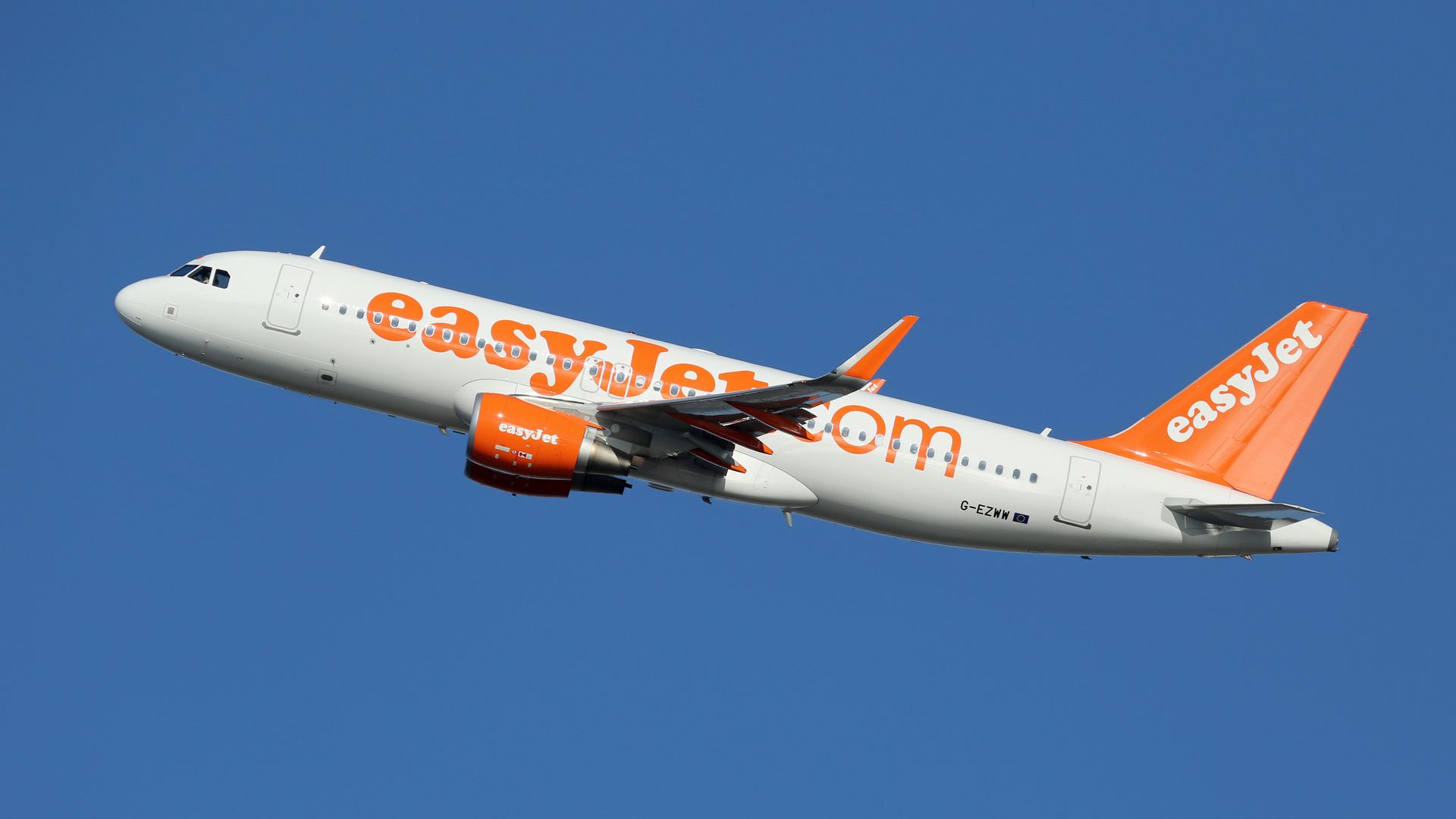
A routine EasyJet flight heading to London took an unexpected turn when the crew received an alert about a potentially hazardous device concealed in a passenger’s luggage. This led to an urgent mid-air diversion to Rome, prioritizing passenger safety and regulatory compliance.
What Triggered the Mid-Flight Diversion?
During the flight, a passenger informed the cabin crew about a power bank stored in their baggage, raising immediate safety concerns. Power banks, while common travel accessories, contain lithium-ion batteries that pose fire hazards if damaged or improperly stored. Airlines and aviation authorities maintain strict regulations on the carriage of such items to prevent onboard emergencies.
Upon receiving the passenger’s alert, the EasyJet crew promptly evaluated the situation. Rather than risk continuing to London, the captain made the decisive call to divert the aircraft to Rome’s airport, enabling ground personnel to inspect the luggage safely. This precautionary measure underscored EasyJet’s commitment to passenger safety and adherence to international aviation standards.
Why Are Power Banks a Safety Concern on Flights?
Lithium-ion batteries, which power most power banks, have been identified as potential fire hazards in aviation when they overheat or short-circuit. Incidents involving battery fires in cargo holds or passenger cabins have prompted global aviation regulators, including the International Civil Aviation Organization (ICAO) and national authorities, to impose stringent rules on how these devices must be carried onboard.
Typically, power banks must be kept in carry-on luggage rather than checked baggage, with limits on their capacity and quantity. However, passengers may unknowingly violate these guidelines by packing power banks in checked bags or carrying damaged devices. Such oversights can trigger alarms and require immediate intervention, as happened on this EasyJet flight.
How Did EasyJet Handle the Situation?
EasyJet’s quick response reflects the airline’s established safety protocols. After the alert, the crew communicated with air traffic control to arrange the unscheduled landing in Rome. Upon arrival, airport authorities and safety experts examined the suspicious luggage to confirm there was no threat.
Passengers were kept informed throughout the process, minimizing panic and ensuring orderly disembarkation. The flight eventually continued to London after the issue was resolved, although with a delay. No injuries or incidents occurred, and the airline reported full cooperation from the passenger involved.
What This Means for Passengers and Airlines
This incident highlights the critical importance of passenger awareness regarding the carriage of electronic devices, especially power banks. Travelers must familiarize themselves with airline policies and international regulations to avoid similar disruptions.
For airlines, it serves as a reminder to maintain vigilant training of crew members and robust protocols for handling in-flight security alerts. Quick decision-making and transparent communication are vital to managing unexpected safety concerns while minimizing inconvenience.
As air travel continues to rebound globally, incidents like this underline the ongoing challenges of balancing passenger convenience with uncompromising safety standards.
In summary, the EasyJet flight diversion to Rome demonstrates proactive safety management in response to a potential battery hazard onboard. Passengers should take heed of guidelines about power banks and other lithium-ion devices to ensure smooth, safe journeys.