

In a troubling revelation, eight bodies were found in a state of advanced deterioration at an NHS trust, highlighting a critical shortage of freezer capacity. This alarming situation raises urgent questions about the management of deceased patients’ remains within the healthcare system and the logistical challenges NHS trusts face in storing bodies respectfully and safely.
The Incident: What Happened at the NHS Trust?
Officials uncovered the eight bodies in conditions described as severely decomposed due to insufficient freezer space. The NHS trust responsible confirmed that the lack of adequate refrigeration facilities severely hampered proper storage, resulting in the bodies being kept in unsuitable conditions for extended periods.
Such a scenario is both unprecedented and deeply concerning. Freezer capacity is vital in healthcare settings to preserve bodies respectfully until they can be transferred for post-mortem examination, funeral arrangements, or further investigation. When storage facilities reach maximum capacity, the risk of decomposition rises sharply, compromising forensic integrity and dignity.
This discovery serves as a stark reminder of the pressures NHS trusts endure, especially during times of increased mortality or when infrastructure fails to keep pace with demand.
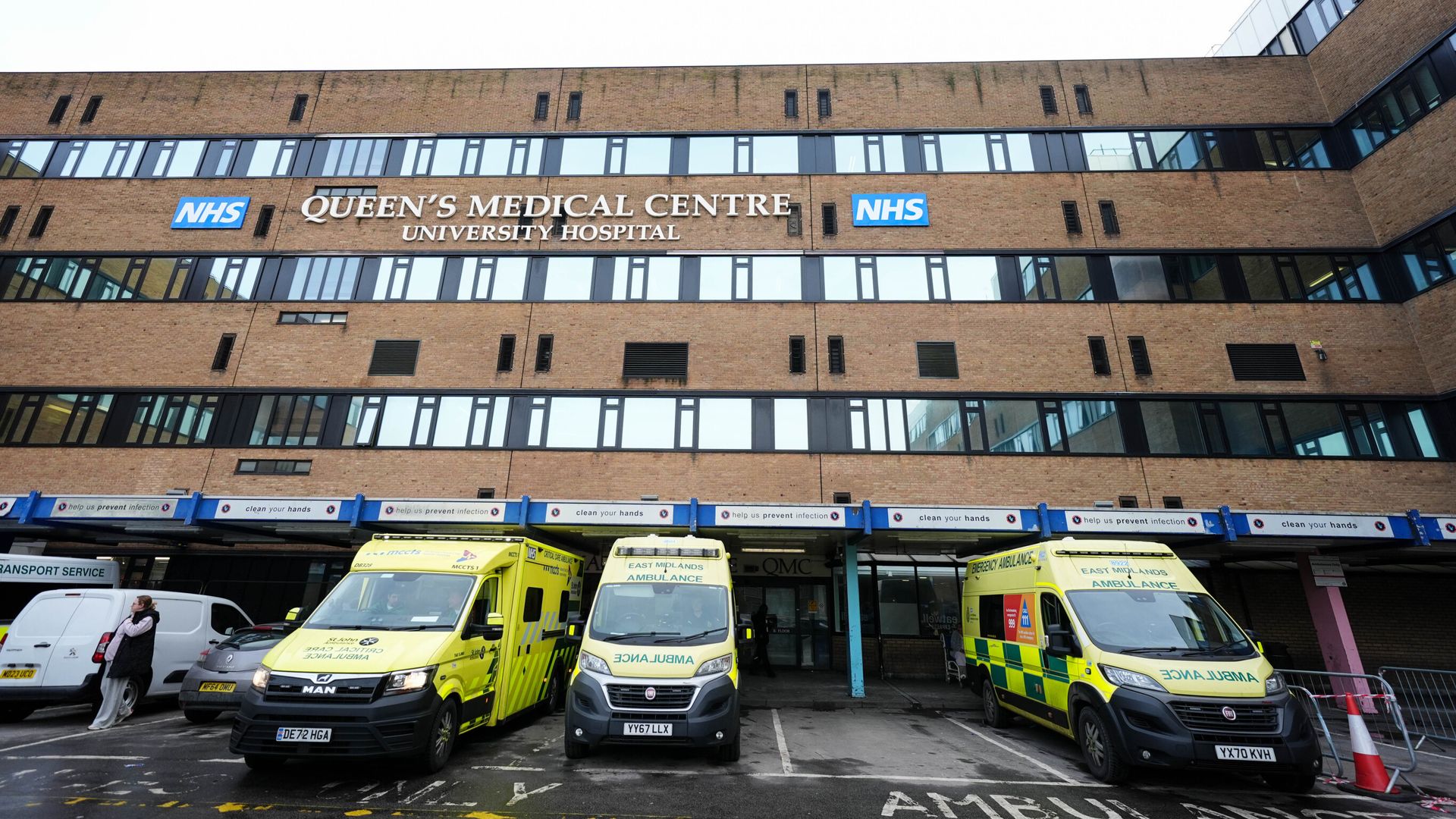
Why Freezer Space Shortages Occur and Their Wider Impact
Shortages of freezer space in healthcare facilities often stem from a combination of factors. These include rising patient death rates, delays in post-mortem processes, limited mortuary infrastructure, and operational inefficiencies. In some regions, especially amid public health crises or winter surges, the volume of bodies can overwhelm available storage.
Inadequate freezer capacity not only impacts the physical preservation of bodies but also affects grieving families, forensic investigations, and the overall dignity of those who have passed. It can delay funerals and coroner services, compounding distress for loved ones.
Moreover, decomposition complicates the work of medical examiners and pathologists. When bodies deteriorate beyond a certain point, determining cause of death becomes more challenging and less reliable. This has potential implications for justice and public health monitoring.
What This Means for NHS Trusts and the Healthcare System
The incident demands urgent attention from NHS leadership and government health authorities. Ensuring sufficient mortuary infrastructure must become a priority to prevent recurrence. This includes expanding freezer capacity, streamlining post-mortem processes, and investing in better logistical coordination.
Healthcare trusts operate under immense pressure, balancing patient care with administrative and resource challenges. However, maintaining respectful handling of deceased patients remains a fundamental responsibility. Failure to do so risks eroding public trust in the healthcare system.
In response to such incidents, NHS trusts typically conduct internal investigations and work with regulatory bodies to address systemic failures. They may also engage with families and communities to provide explanations and assurances about corrective measures.
On a broader scale, this situation underscores the need for national strategies that bolster mortuary services, especially in light of demographic changes and potential future health emergencies that could increase mortality rates.
Looking Ahead: Ensuring Dignity and Preparedness
While details about the specific NHS trust involved remain limited, the discovery of eight bodies in advanced decomposition due to freezer shortages is a wake-up call. It highlights vulnerabilities in the healthcare infrastructure that must be addressed comprehensively.
Investing in mortuary capacity, improving operational protocols, and fostering transparency with the public are crucial steps forward. Ultimately, the healthcare system must uphold the dignity of all patients — in life and death — by ensuring their remains are treated with the utmost respect and care.
This incident should serve as a catalyst for systemic improvements, ensuring no family endures the added trauma of improper body storage in the future.