

A devastating train collision near Bedford left one train driver dead and eight passengers critically injured, sending shockwaves through the community on Friday. Emergency services continue to battle the aftermath, as hospitals work tirelessly to treat the most severely affected victims.
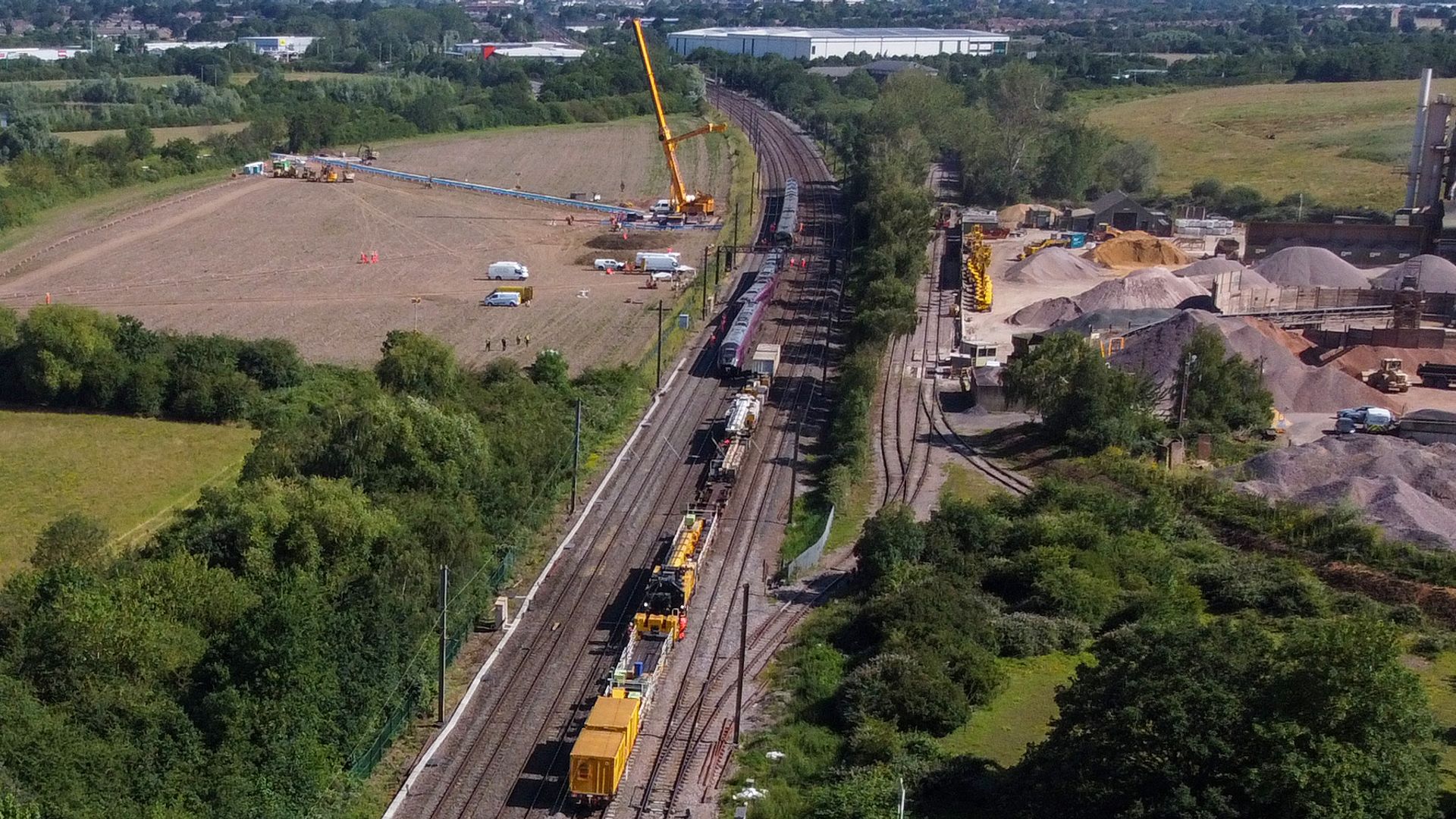
What Happened in the Bedford Train Crash?
The incident occurred on Friday when a train operating near Bedford was involved in a serious collision. The crash claimed the life of the train driver instantly, while injuring multiple passengers on board. Authorities have confirmed that eight individuals remain in critical condition, highlighting the severity of the impact.
Emergency responders rushed to the scene to provide immediate medical attention and transport the injured to nearby hospitals. The affected passengers were taken to several medical facilities, where specialists are closely monitoring their progress and providing intensive care.
Rail services in the Bedford area have been disrupted significantly as investigators work to determine the cause of the crash. Preliminary reports indicate that the collision involved a high-speed impact, but detailed findings have not yet been released.
Why This Crash Matters: Safety and Community Impact
Train accidents of this magnitude are rare but carry profound consequences for public safety and confidence in rail travel. The loss of the train driver underscores the dangers faced by those operating rail services daily. Furthermore, the critical condition of eight passengers emphasizes the urgent need for ongoing safety measures and infrastructure improvements.
The Bedford community has been deeply affected by the tragedy, with local authorities and support services mobilizing to assist families of the victims. The incident calls attention to the importance of rigorous safety protocols and the role of emergency preparedness in minimizing casualties during such events.
What Comes Next: Investigation and Recovery
Railway officials, alongside government safety inspectors, have launched a thorough investigation to uncover the cause of the collision. This inquiry will examine all factors, from mechanical failures to human error and track conditions, to prevent similar disasters in the future.
Meanwhile, hospitals continue to provide critical care for the injured passengers, with medical teams hopeful for their recovery. Support networks are also being established to help those affected cope with the physical and emotional aftermath of the crash.
Rail services are expected to resume gradually once safety assessments are complete and necessary repairs are made. Meanwhile, passengers are advised to check for updates and plan alternative routes as the investigation progresses.
Looking Ahead: The Road to Safer Rail Travel
This tragic incident near Bedford serves as a stark reminder of the vital importance of rail safety and the human cost when accidents occur. As the investigation unfolds, stakeholders must prioritize implementing lessons learned to enhance safety standards and protect passengers and staff alike.
The community’s resilience and the dedication of emergency responders and medical personnel remain central to the recovery process. Moving forward, investments in technology, training, and infrastructure will be crucial to restoring confidence in the rail system and preventing future tragedies.
While full details about the crash’s cause remain pending, the focus now is on supporting the victims and ensuring that such a devastating event does not repeat.