

Millions of voters across the United Kingdom will head to the polls on 7 May to decide the future of local councils, devolved parliaments, and directly elected mayors. These elections carry weight far beyond their immediate local impact, offering a crucial barometer of public sentiment toward the major political parties and their leadership at Westminster.
Where and What Are Voters Deciding?
On 7 May, elections will take place for 136 local councils in England, with a staggering 5,014 council seats up for grabs. This comprehensive contest includes voting for every seat across all 32 London borough councils. Beyond London, voters will cast ballots in over a dozen other borough councils, six unitary authorities, six county councils, and three district councils. Additionally, in 73 councils, voters will elect representatives for either half or one-third of the available seats.
Local elections extend beyond council seats. In six London boroughs—Croydon, Hackney, Lewisham, Newham, Tower Hamlets, and Watford—residents will elect directly elected local mayors. These positions wield considerable influence over local governance, budget priorities, and community services.
The democratic exercise isn’t confined to England. In Wales and Scotland, voters will elect representatives to their devolved parliaments: the Senedd in Cardiff Bay and the Scottish Parliament in Holyrood. These parliaments hold significant legislative powers over areas like health, education, and taxation, impacting millions of citizens’ daily lives.
When Will We Know Who Wins?
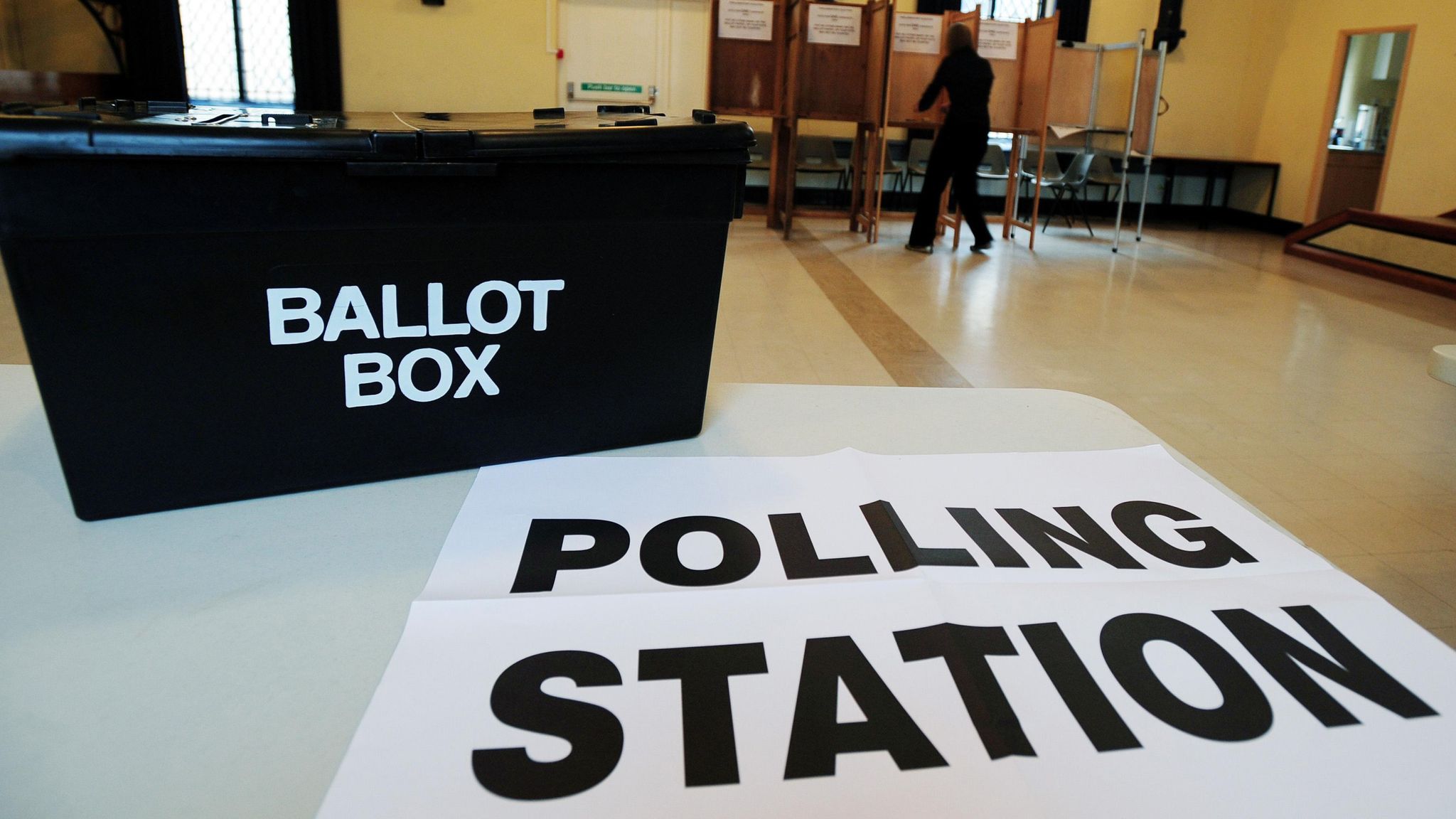
Polling stations open at 7am and close at 10pm on election day. Once the polls shut, vote counting begins promptly. Much like a general election, many ballots will be tallied overnight, providing early indications of how the political landscape is shifting.
According to expert analysis, about 50 local council results should be declared by 7am on Friday morning, giving voters an early glimpse of the emerging picture. The first councils are expected to announce results around 12:30am, with more results flowing steadily from 3am onwards.
Among the early declarations will be councils like Oxford, where the Liberal Democrats and Greens are competing fiercely against Labour; Bexley, a key battleground where Reform UK hopes to make inroads; and Hampshire, a Conservative stronghold potentially losing ground to Liberal Democrats and Reform UK candidates.
Between midday and the end of Friday, approximately 82 more councils will report their outcomes. However, some results won’t be available until Saturday afternoon, including high-profile areas such as Croydon, Tower Hamlets, and Hastings.
The mayoral election counts start on Friday, with Hackney and Newham expected to declare by 1pm. Watford follows at 2pm, Lewisham at 3pm, Croydon at 4pm, and Tower Hamlets rounds out the day at around 6pm.
Why These Local Elections Carry National Importance
Local elections often attract lower voter turnout than general elections—in England this year, turnout was about 30%, compared to 60% for the general election. Despite this, their significance remains undeniable.
Local councils exercise direct control over essential services that affect residents day-to-day. They manage everything from waste collection schedules and road repairs to library funding and the operation of leisure centers. These practical responsibilities mean council decisions often influence voters’ everyday experiences more immediately than national government policies.
Meanwhile, the devolved parliaments in Scotland and Wales possess broad legislative powers that shape critical areas such as health services, social care, education, and income tax rates. These institutions play a pivotal role in crafting policies that directly touch millions of lives, underscoring why their elections attract intense scrutiny.
At Westminster, these local election results serve as a vital litmus test for the government of the day—in 2026, the Labour Party—and the opposition. Significant swings in voter support can trigger internal party evaluations, leadership challenges, or strategic shifts as politicians gauge public mood and adjust their approaches accordingly.
What This Means Going Forward
The 7 May elections offer more than just a snapshot of local governance—they provide a vital pulse check on the UK’s political climate. As results roll in, parties will be closely analyzing gains and losses to understand voter priorities and dissatisfaction.
For voters, these elections reaffirm the importance of local democracy and its tangible impact on daily life. For politicians, the outcomes will influence strategic decisions ahead of future national contests, shaping party leadership and policy direction.
Ultimately, the 7 May elections are a decisive moment for communities across the UK. They offer a powerful reminder that political power extends beyond Westminster, residing equally in the councils and parliaments where local voices are heard and local futures are shaped.